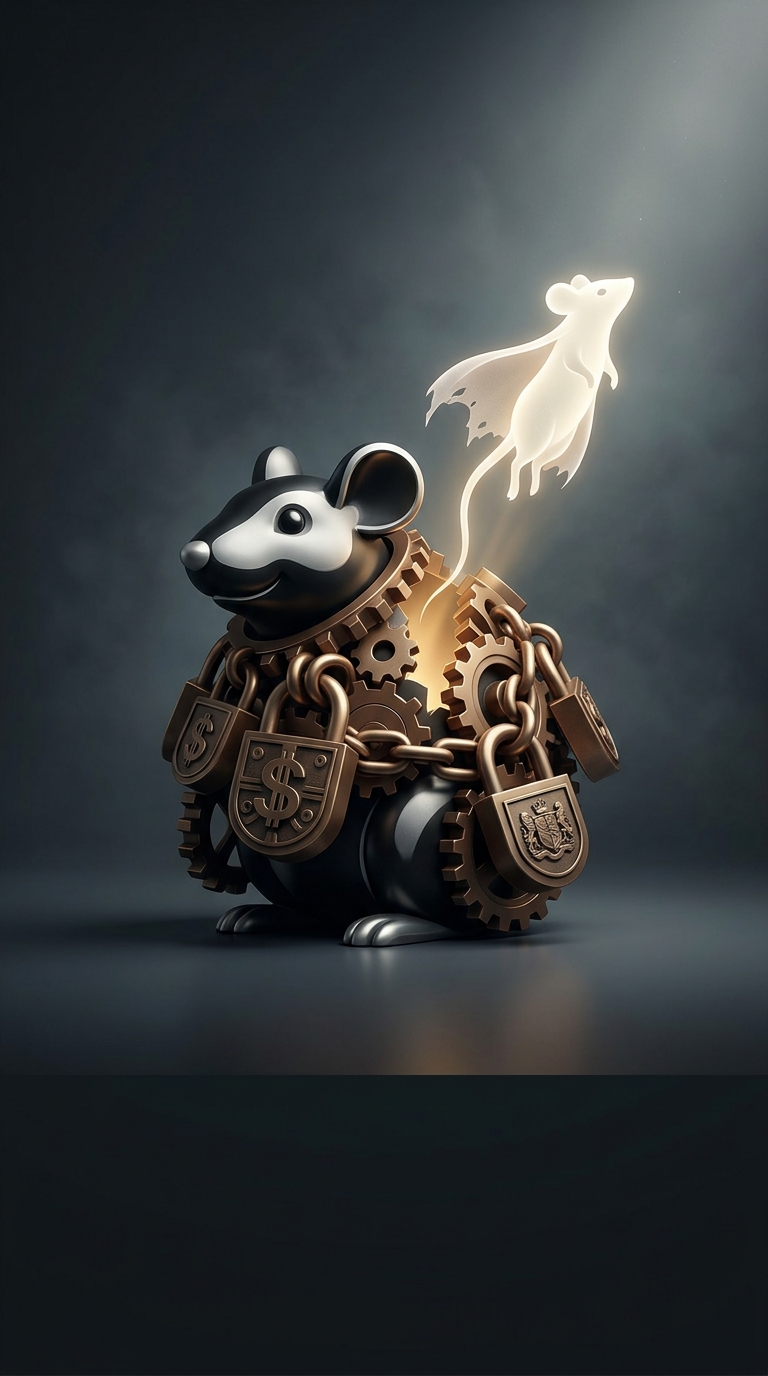
One Mickey, two kinds of protection
Copyright and trademark law protect different things. Copyright covers a particular creative work—in this case, the 1928 Steamboat Willie cartoon and the specific version of Mickey shown in it. In the United States, that cartoon entered the public domain in 2024, so people can reuse material from that version without asking Disney for copyright permission.
Trademark law, by contrast, helps identify who made or sponsors a product. Disney can still object to uses of Mickey-related marks that are likely to make customers think a product is official or affiliated with the company. A public-domain cartoon does not automatically erase those trademark rights, but trademark is not a blanket copyright over every depiction of Mickey.
The version matters
Mickey changed over time. The familiar white gloves, brighter colors, and later character traits belong to later depictions, which may have separate copyright protection. The public-domain status of Steamboat Willie does not make every Mickey design free to copy. Creators can draw on the early cartoon, but they need to distinguish that material from later protected versions—and avoid suggesting Disney’s endorsement.
That distinction is why the 2024 change opened a specific door rather than removing every legal boundary. A filmmaker can adapt the earliest Mickey as he appears in the cartoon; a product designed to look like an official Disney release raises a different question. The image can be free to reuse as art while still functioning as a trademark in the marketplace.