A new character after Oswald
Losing Oswald was more than losing a popular cartoon. The rabbit had been made under a production arrangement that left the rights with Universal, so Walt Disney could not simply take Oswald with him and keep making the series on his own terms. The episode exposed a practical vulnerability: a studio could create a character yet lack control over what happened to it.
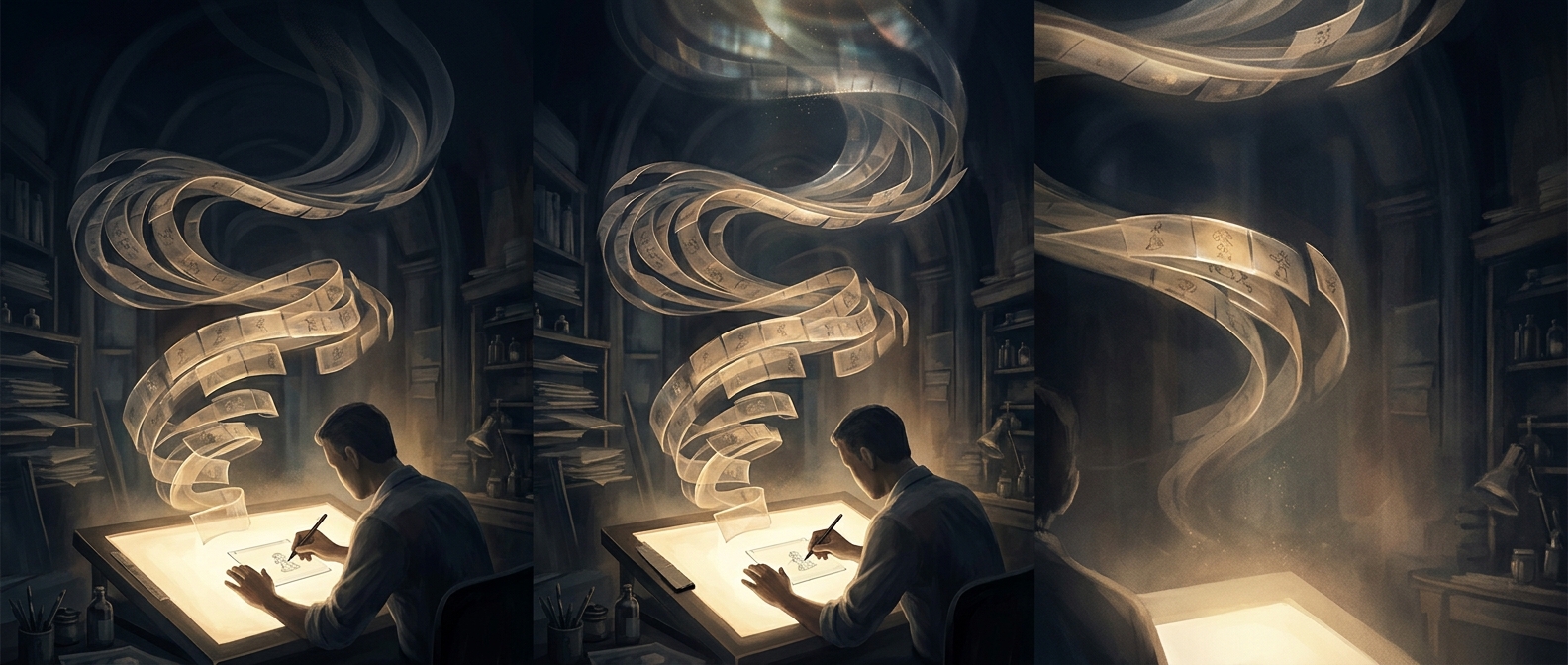
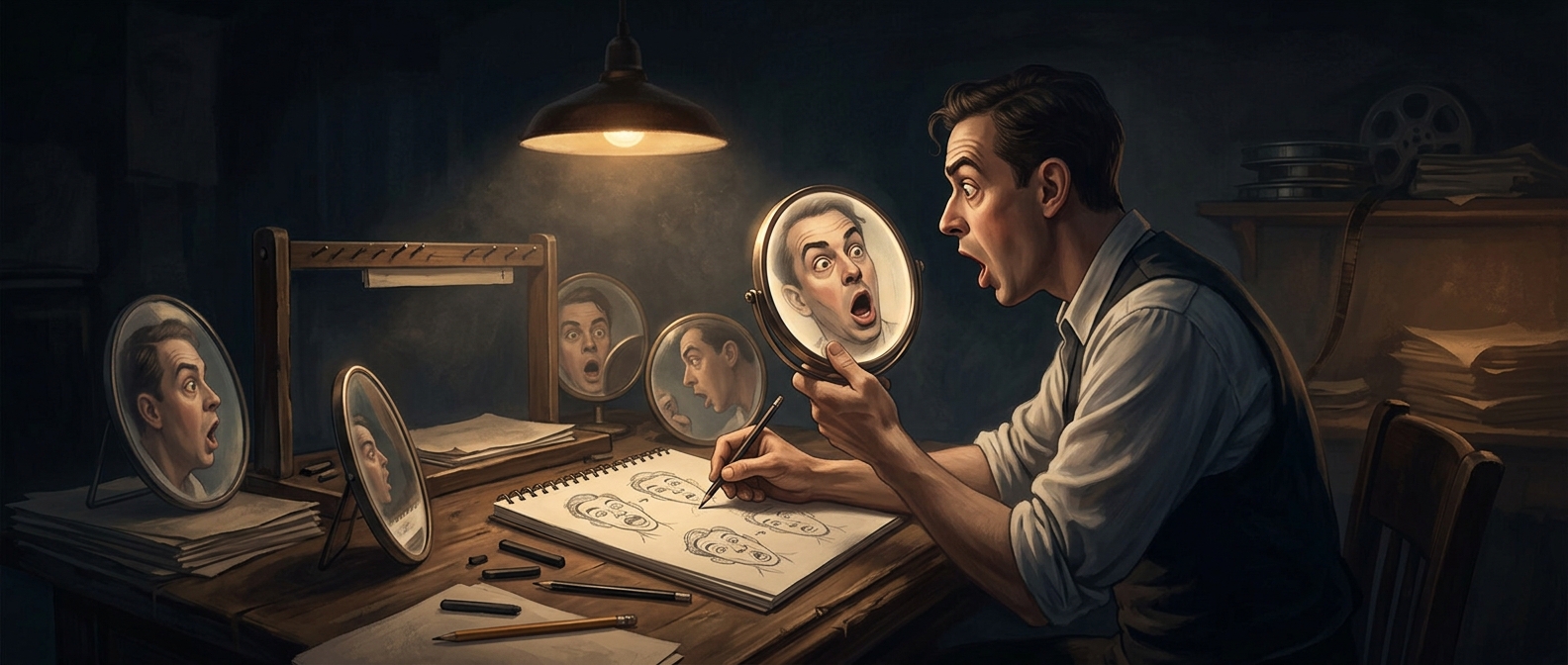
On the journey home, Disney began imagining a replacement. The train-ride sketch was a starting point, not a finished design. Animator Ub Iwerks helped turn the idea into a character that could work on screen, shaping Mickey’s simple, readable features and building the animation for his early films.
From sketch to screen
Mickey’s first cartoons were made in 1928. Two were completed before Steamboat Willie, but that film’s synchronized sound—music and effects timed to the action—helped introduce Mickey to a much wider audience. The sound was not just decoration: it made the character’s movements feel coordinated with the world around him, giving the short a lively, immediate appeal.
The name also changed during development. Disney reportedly favored “Mortimer” before his wife, Lillian, suggested “Mickey.” That small adjustment helped turn a replacement character into one with an approachable, memorable identity.
The lasting consequence
Mickey’s creation came from a business setback, but it also sharpened the lesson behind it: control of a character mattered as much as the ability to draw one. As Disney’s studio grew, keeping its characters closely tied to the company became central to how it built lasting entertainment properties. The train ride produced a sketch; the larger change was a new determination not to let the next character slip away.