Why a parody may borrow what it mocks
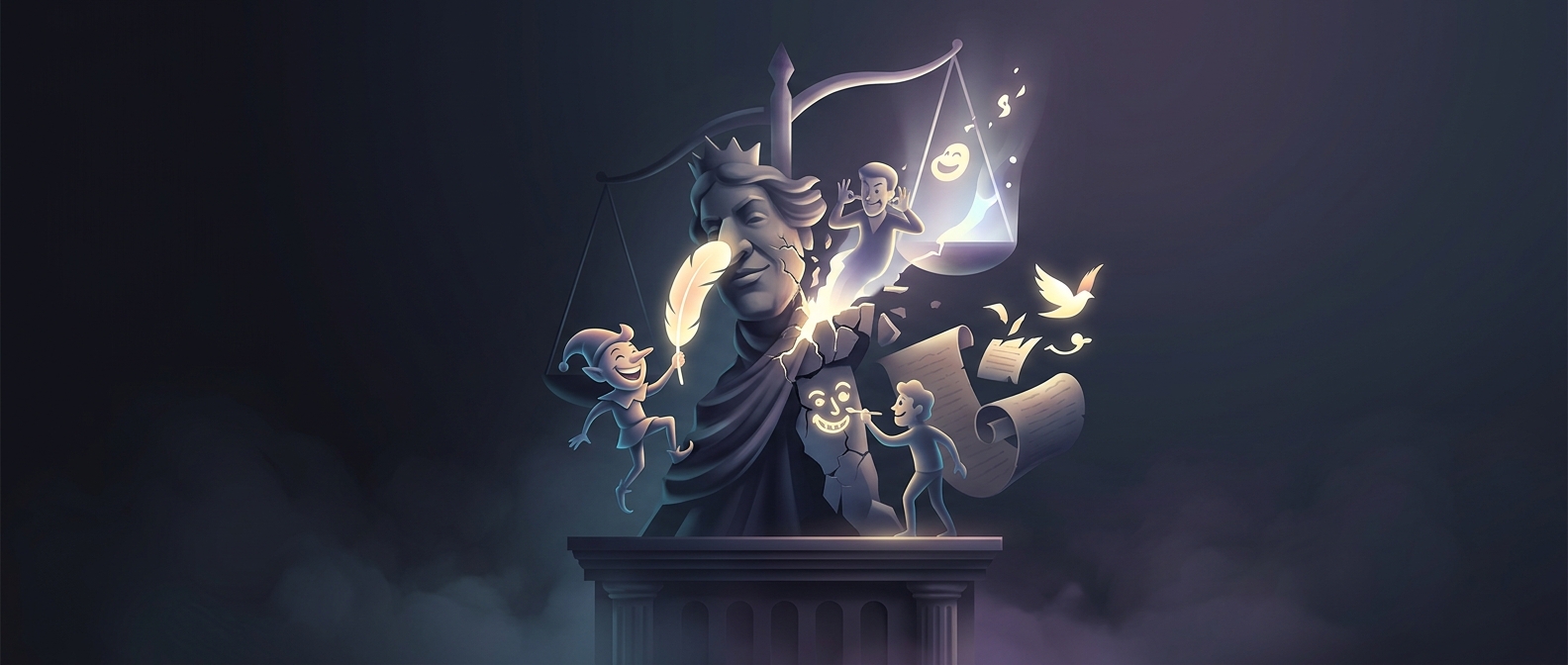
A parody needs its audience to recognize the work it is criticizing. That can justify borrowing recognizable elements—sometimes even a memorable phrase, image, or melody—because the copying helps make the criticism legible. In U.S. copyright law, this can qualify as fair use, a case-by-case exception to a copyright owner’s usual control over copying.
The key distinction is what the new work is doing with the borrowed material. A parody comments on, or ridicules, the original itself. A comedy that merely uses a familiar song or character to make an unrelated joke may be satire instead; it may still have a fair-use argument, but it has a weaker reason for needing that particular work.
The amount borrowed depends on the joke
Courts weigh several considerations, including the purpose of the use, the kind and amount of material copied, and whether the new work substitutes for the original in its market. A parody may need enough of the original to call it to mind, but that does not make every detail or an entire work fair game. The question is whether the borrowing fits the critical purpose and how it affects the original’s value and potential market.
Commercial release does not automatically rule out fair use, and labeling something “parody” does not automatically protect it. The Supreme Court’s 1994 decision in Campbell v. Acuff-Rose Music made clear that a commercial song parody could qualify, while leaving the ultimate judgment to the circumstances of each case.
Copyright is not the only issue
Fair use is a defense assessed under copyright law, not advance permission or a guaranteed shield from a lawsuit. And copying a brand can raise separate trademark questions, such as whether audiences might be confused about who made or endorsed the work. The practical line is therefore not simply whether a joke is harsh: it is whether the borrowing serves criticism of the original, and whether the use remains proportionate to that purpose.