Why a Used Bookstore Can Resell Your Copy
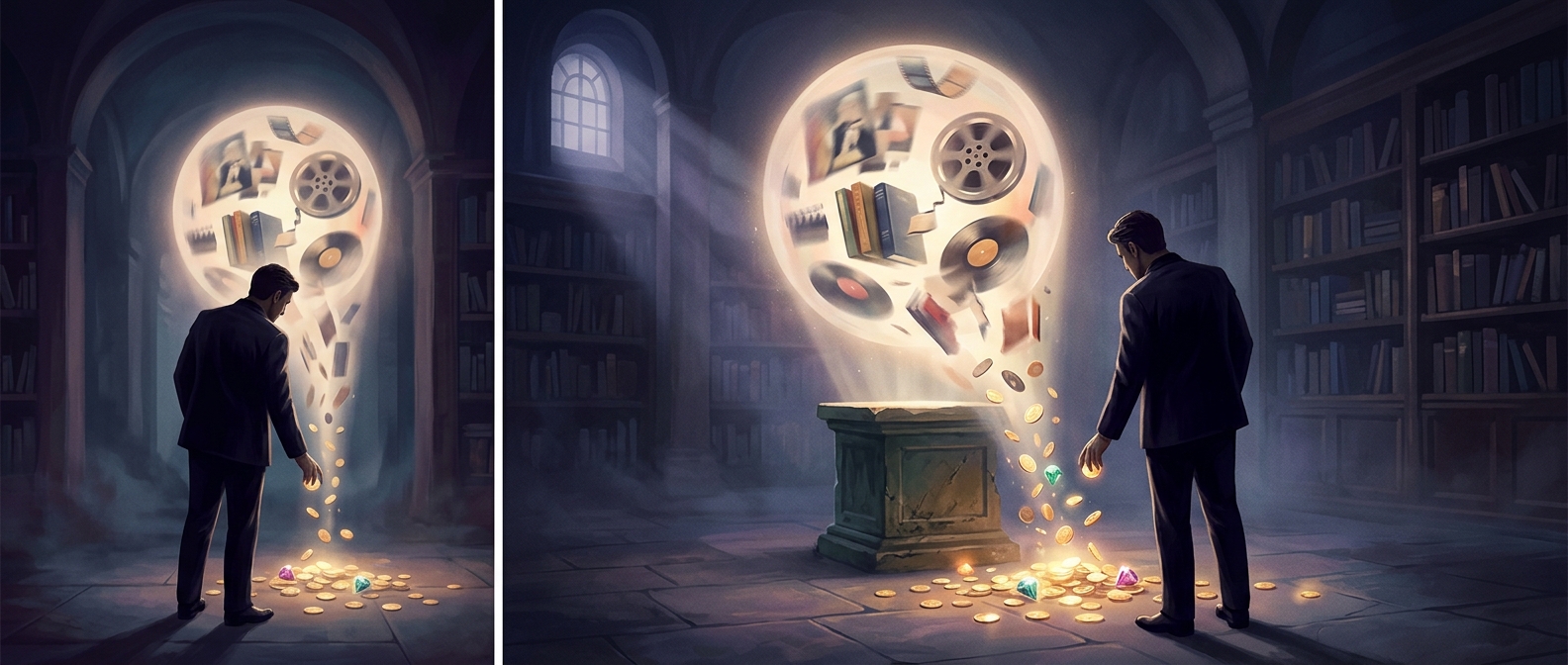
Copyright gives creators control over certain uses of a work, but it does not give them permanent control over every physical object containing it. In the United States, the first sale doctrine generally means that after a particular copy is lawfully sold, its owner may pass that same copy to someone else—by selling, lending, or giving it away—without asking the copyright holder each time.
That separation makes ordinary secondhand markets possible. A bookstore can sell a used novel, and a person can lend a DVD to a friend, because the transaction changes who possesses the existing copy. It does not create another copy of the copyrighted work.
The Right to Pass It On Is Not the Right to Copy It
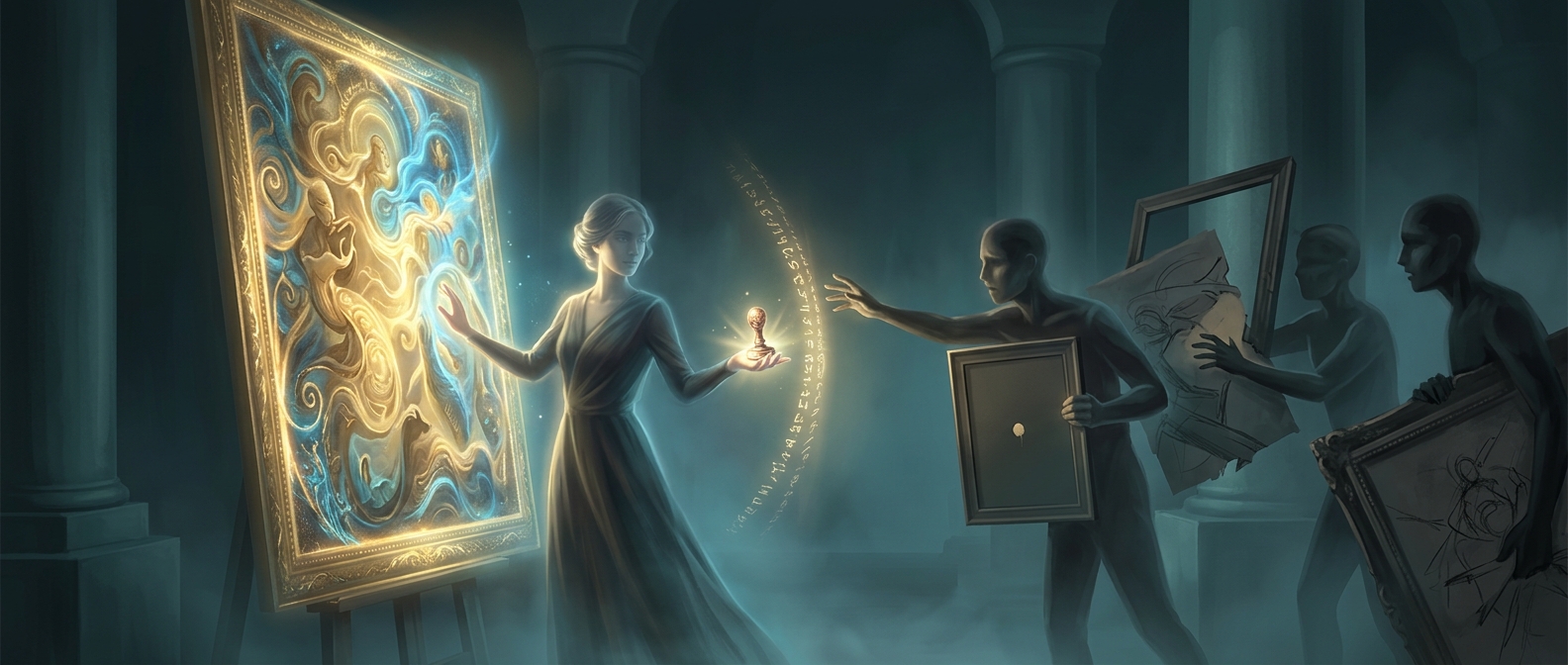
Owning a disc or book is different from owning the copyright. The copyright holder still controls other uses, including making new copies. So the owner of a CD can sell that disc but cannot use the doctrine to duplicate it and sell the duplicates. The rule follows the particular lawfully acquired copy, not the work in every form.
That distinction helps explain why digital transfers are less straightforward. Sending a file commonly involves making a new copy on another device, rather than handing over the same physical object. A download may also be governed by a license instead of a sale. The simple hand-it-on rule for a used book therefore does not automatically settle what someone may do with a digital file.