How a Binding Acquires an Aura
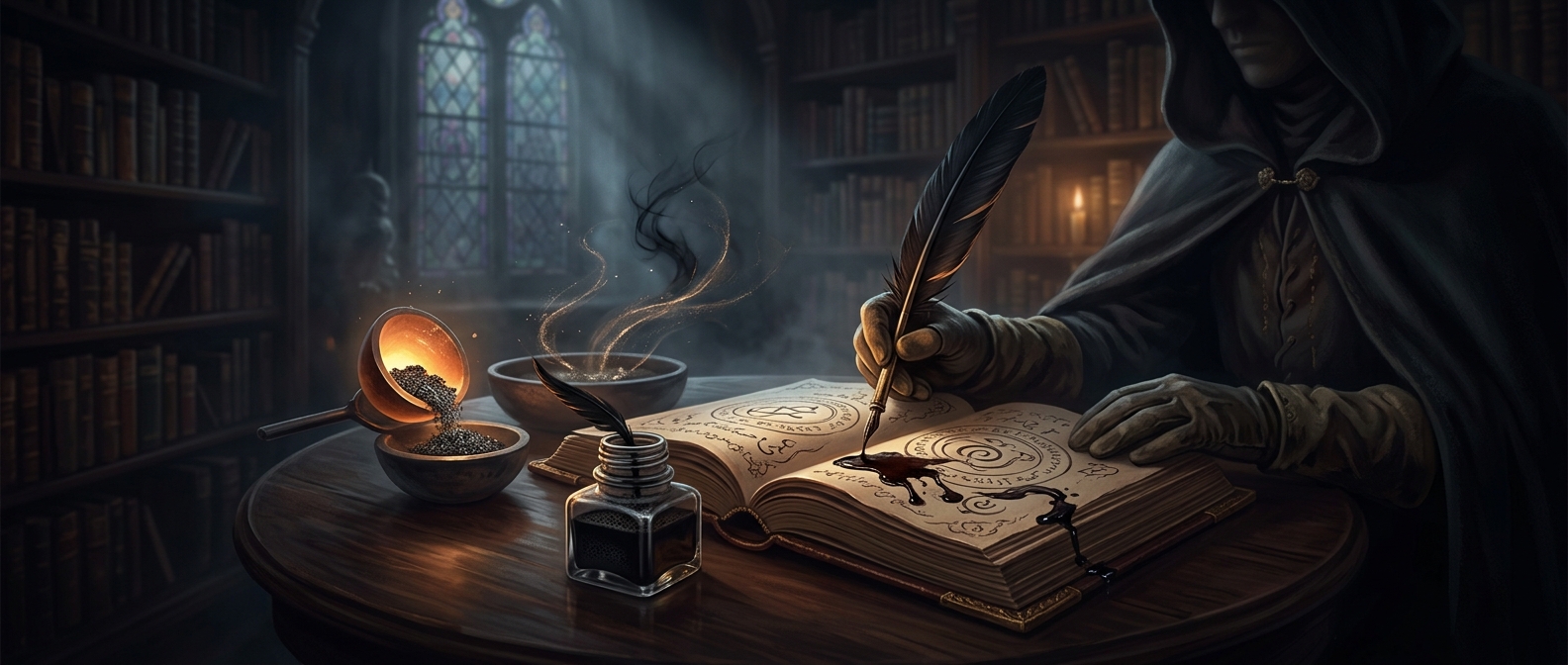
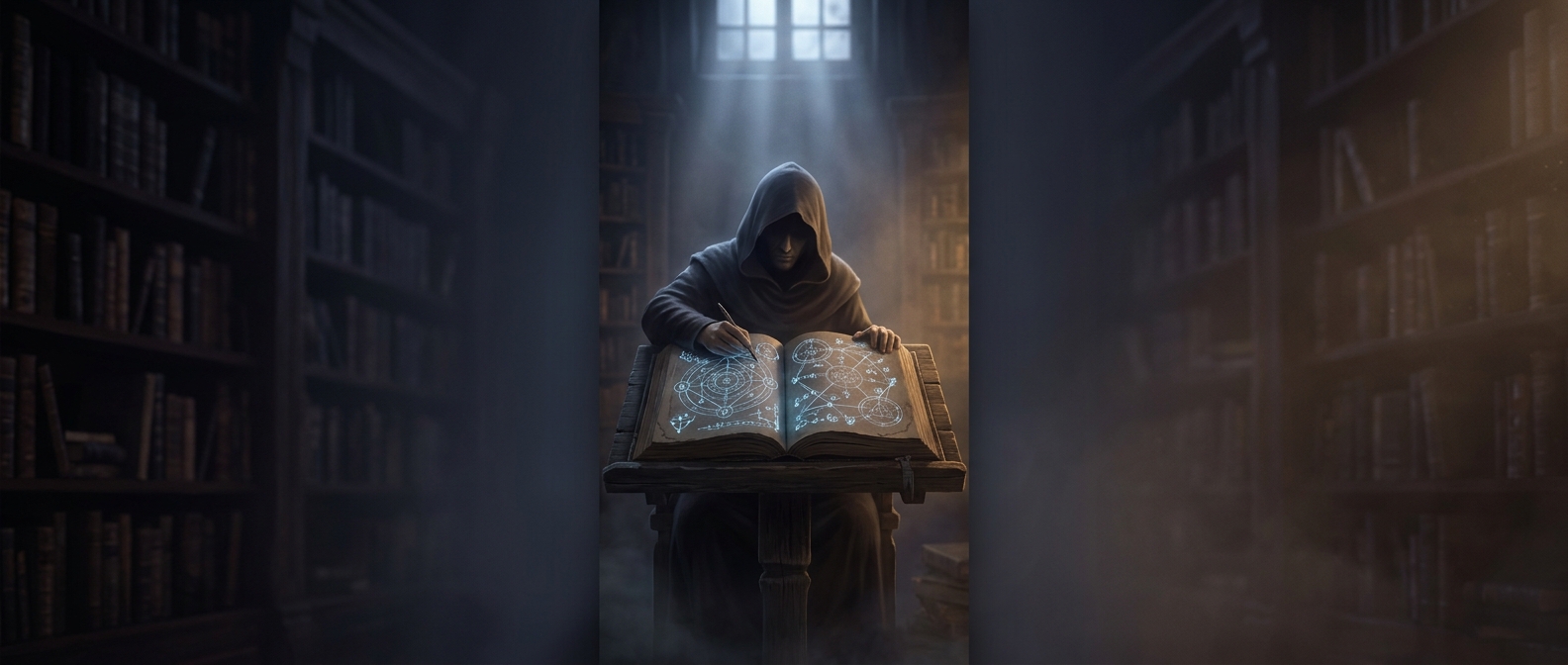
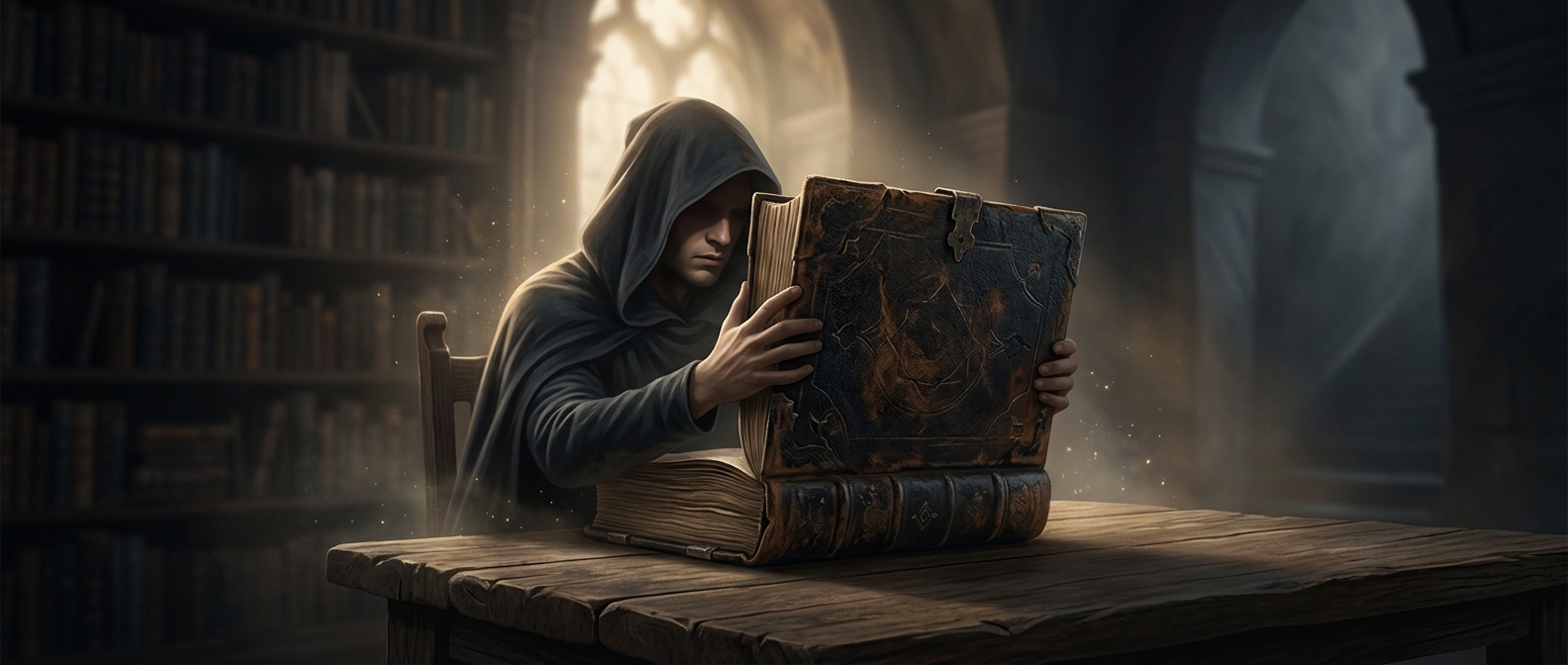
A leather cover changes more than a book’s surface. Its weight, texture, and worn-looking finish can make a text feel like an artifact—something recovered from a hidden library rather than newly printed. For mystical writing, that visual cue can reinforce the subject’s promise of age, secrecy, or special knowledge before a reader opens the book.
The effect comes from familiar design signals. Dark leather, embossed symbols, and deliberately distressed edges resemble features associated with old volumes. They can suggest a history the particular edition may not actually have. The atmosphere is designed, not evidence that the text is older or more authoritative.
What the Extra Price Buys
A leather-bound edition may cost more because its materials and construction differ from a simpler cover. Preparing and attaching a covering, assembling a sturdy case, and adding decorative stamping can take additional materials and labor. But the price also reflects presentation: buyers are paying for an object meant to look and feel distinctive, not just for the words inside.
That distinction matters when comparing editions. A plain version can contain the same text without the heavy binding or theatrical finish. The elaborate cover may appeal to collectors or suit a display shelf, but it does not, by itself, make the text more complete or its claims more credible.
The Cover’s Quiet Persuasion
The binding works as a kind of packaging: it turns an ordinary purchase into something that feels ceremonial and collectible. Its extra weight is part of that impression. The leather can add atmosphere and expense without adding anything to the text itself—a useful reminder that, in books about the mysterious, the object’s aura and the contents are separate things.