How iron-gall ink took hold of the page
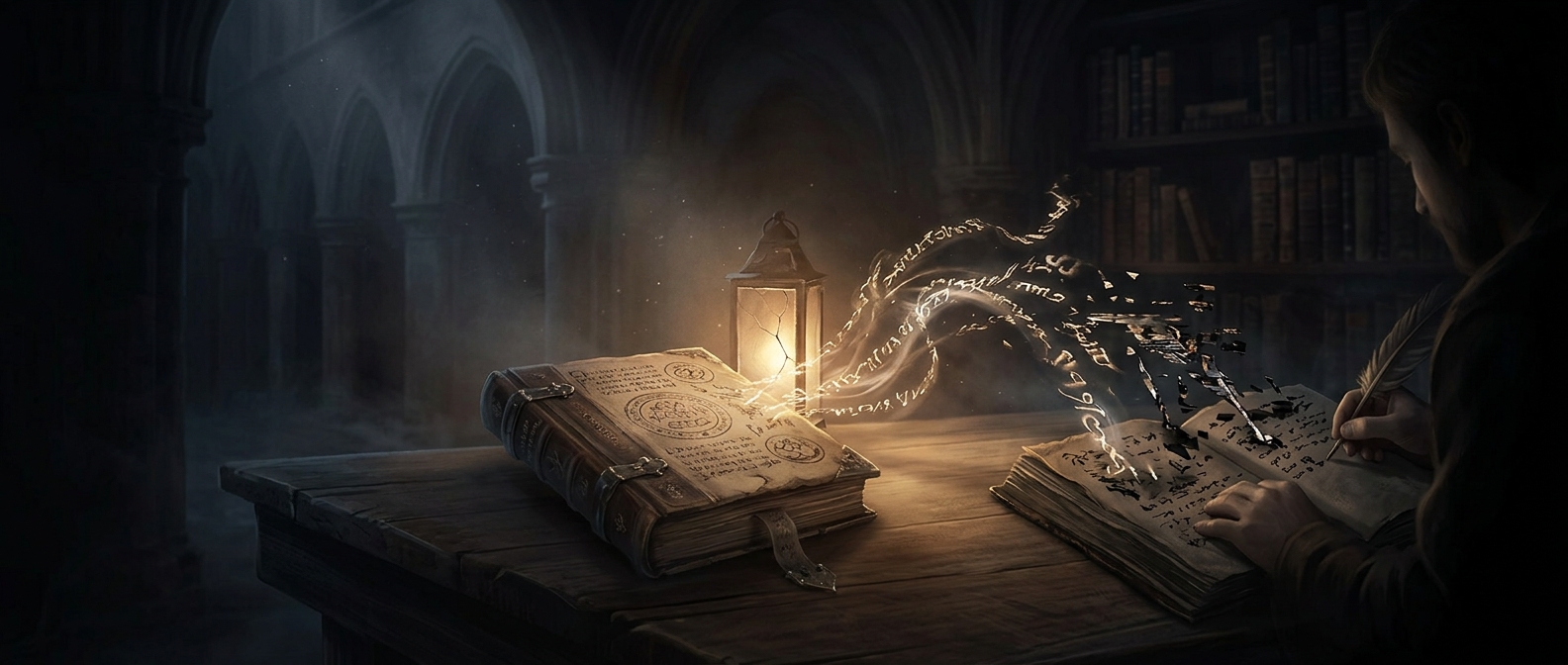
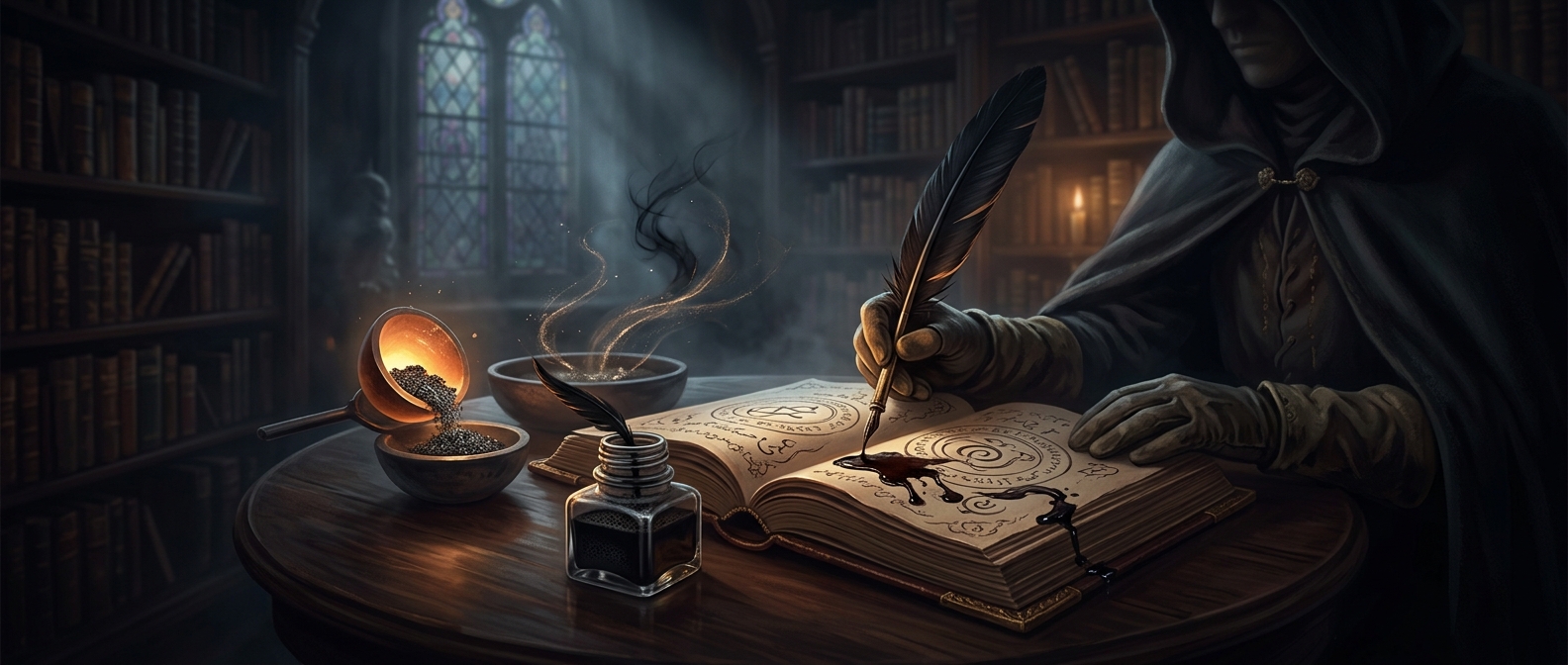
Iron-gall ink began with galls: knobbly growths that form on trees, often after insects lay eggs in their tissue. They are rich in tannins, plant compounds that react with iron salts. Mixed together—often with a binder such as gum—the ingredients made a liquid ink that could be written onto parchment or paper.
At first, the writing could look pale. As the iron compounds reacted with air, the marks darkened, helping the words remain legible long after the ink dried. The ink also soaked into the writing surface, rather than sitting only as a removable layer on top.
A durable mark with a damaging cost
That staying power had a downside. Some iron-gall inks contained acidic compounds, and iron could drive further chemical reactions in the parchment or paper. Over time, the writing might eat into the material, leaving brown marks, brittle lines, or even holes. So “permanent” did not mean harmless: the ink could outlast the page it was written on.
In books of magic, that physical tenacity could carry an extra resonance. A text meant to record names, commands, or bindings could be written in a substance that seemed to fasten words to the page—and, in the book’s imagined world, make them harder to undo. The same quality that suggested permanence could eventually make the page itself come apart.