Protection and Power: Two Different Roles
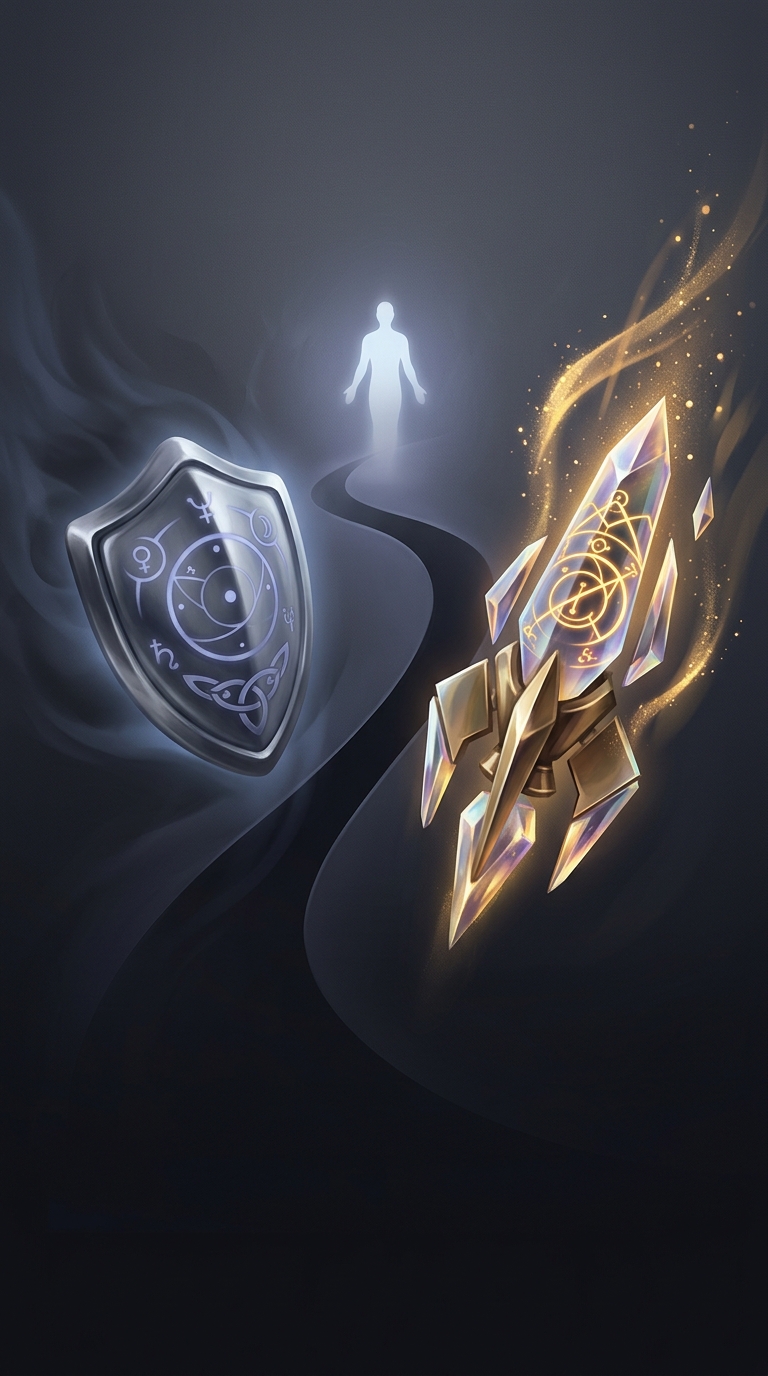
In many traditions of Western ceremonial magic, an amulet is understood as something that wards off harm, while a talisman is made to attract or strengthen a particular influence. The distinction is about intended function, not a universally fixed rule: historical writers and practitioners have sometimes used the terms interchangeably.
A talisman might be designed around a hoped-for quality such as courage, prosperity, or favor. Its symbols were not treated as decoration alone. Within the tradition’s own logic, the chosen image or sign helped focus a specific influence, while the amulet’s purpose was chiefly defensive—keeping misfortune or harmful forces at bay.
Why the Material and Timing Mattered
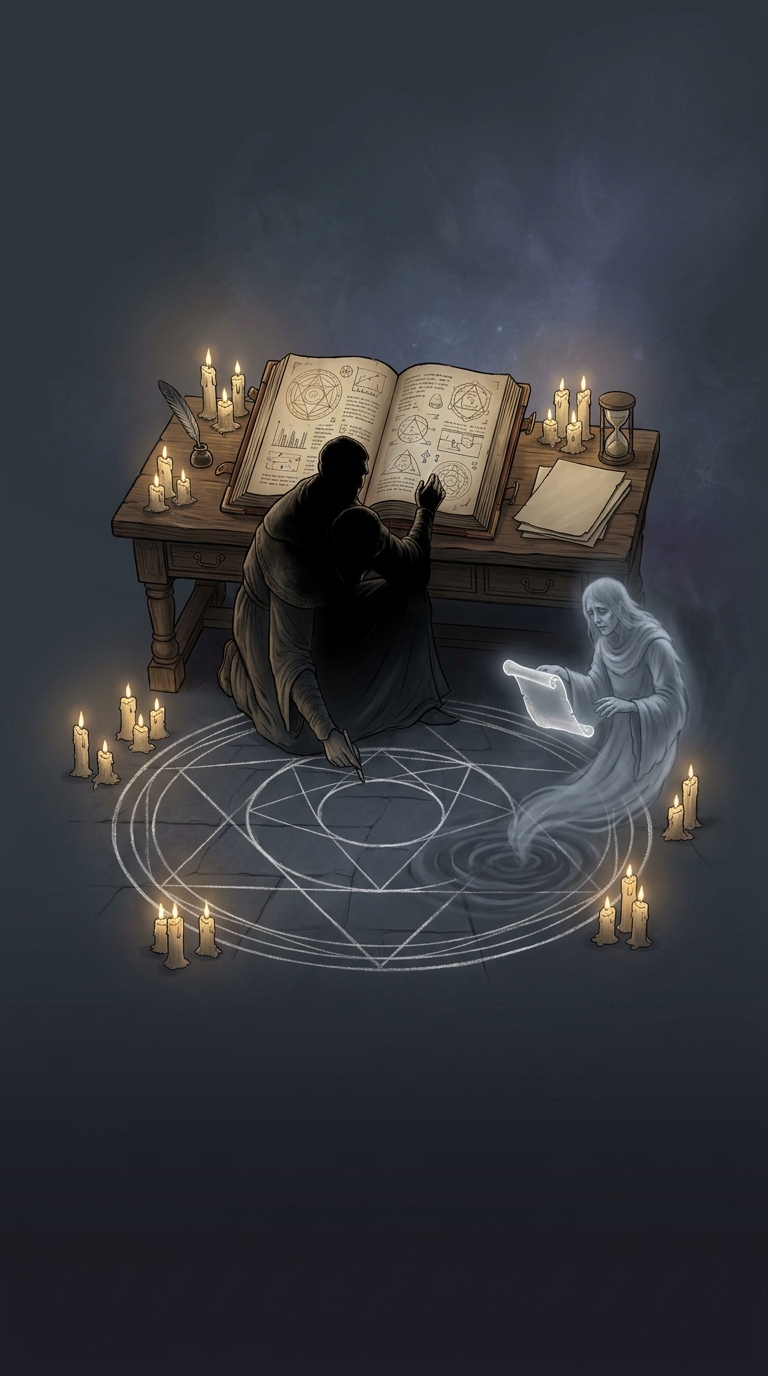
Some magical systems linked planets with particular qualities and associated each planet with certain metals. A maker selecting a planetary sign therefore had to decide not only what to engrave, but what metal suited the intended purpose. The day and hour of making could matter, too: astrologically chosen timing was thought to align the object with the planet whose influence it sought to draw upon.
These choices formed a practical set of constraints. A symbol, its metal, and the moment of engraving were meant to work together. Changing one element could change the talisman’s intended character, much as choosing a different tool changes what a craft project is designed to do.
A Crafted Object, Not Just a Lucky Charm
That complexity helps explain why magical texts could debate the correct combinations. The object’s supposed force depended, in the system’s terms, on careful correspondence—matching a desired effect to the right celestial association and making the object under suitable conditions. The result was a small, portable expression of a larger worldview in which metals, symbols, planets, and human intentions were believed to be connected.