Turning the Body Into a Ritual Storm
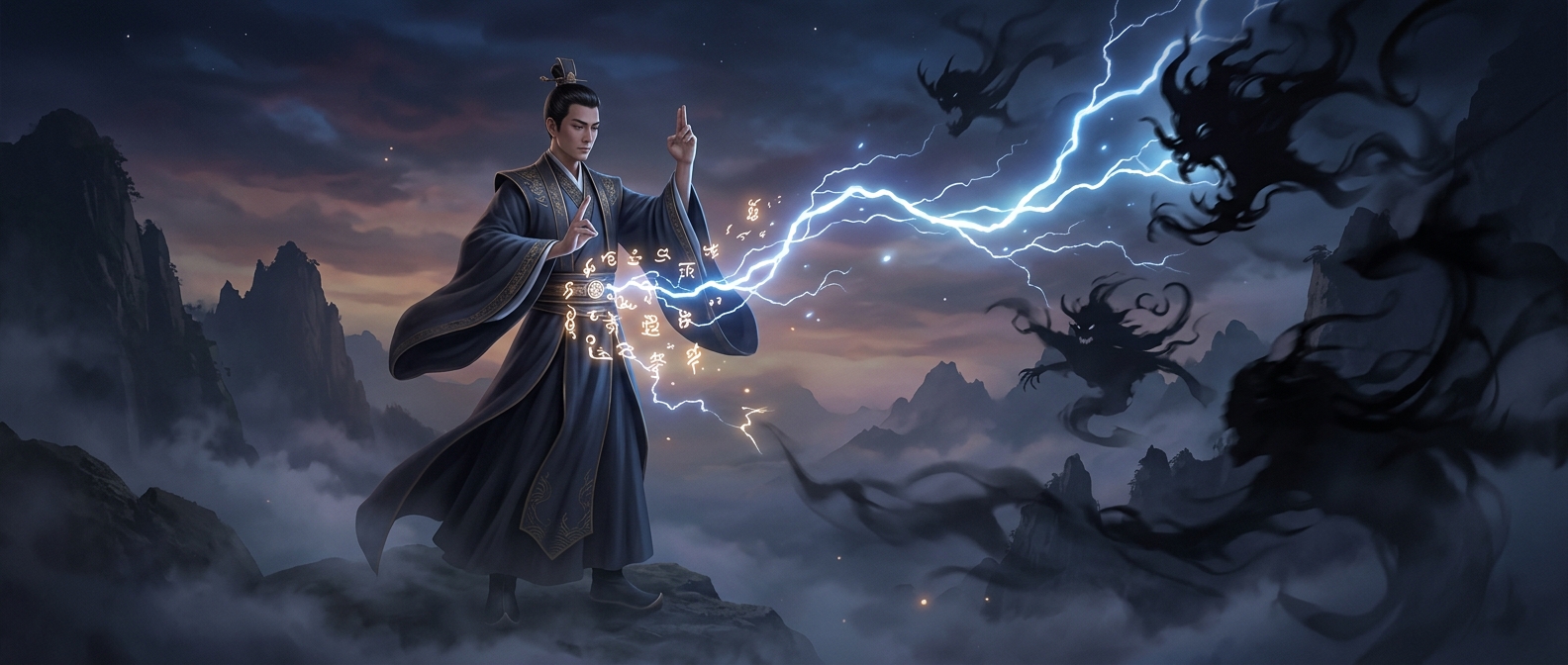
In Shenxiao Daoism, thunder magic treated the practitioner’s body as more than a vessel for prayer: it was a ritual landscape where cosmic forces could be gathered and directed. Masters imagined storms forming within their organs, then circulated qi, the vital breath or energy understood in Chinese traditions to animate the body and connect it with the wider world.
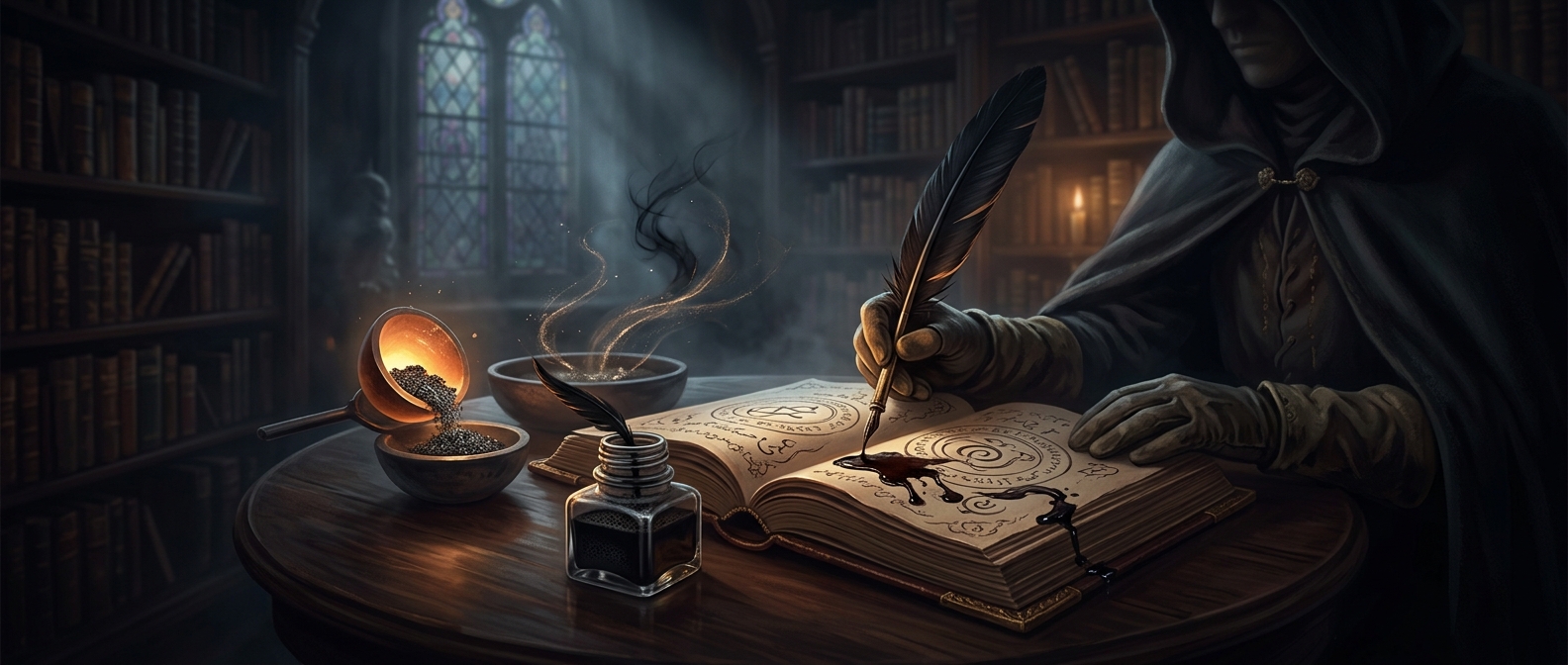
The sequence made the body part of the rite. Visualization gave the imagined thunder a place to form; regulated breathing and movement of qi gave it motion. Drawing talismans—ritual marks believed to carry spiritual authority—and tapping the teeth added deliberate actions through which the practitioner focused and enacted the operation.
Why Thunder Could Be a Weapon
Thunder was not merely weather in this religious framework. It represented forceful authority capable of confronting harmful spirits. A master who cultivated that force internally could, within the ritual’s logic, direct it outward against demons. The claim was therefore not simply that a practitioner could summon a storm overhead, but that disciplined bodily practice, sacred symbols, and focused intention could make divine power effective in a particular encounter.
This approach also helps explain why the rite depended on several actions rather than visualization alone. The practitioner’s body, breath, gestures, and talismans worked together as parts of a single ceremony. The imagined lightning became usable through ritual discipline: it was first formed inwardly, then directed toward an external spiritual threat. That is how Shenxiao masters could understand their own bodies as the source of thunder’s force.