Why the Weapon, Not the Wound, Received the Ointment
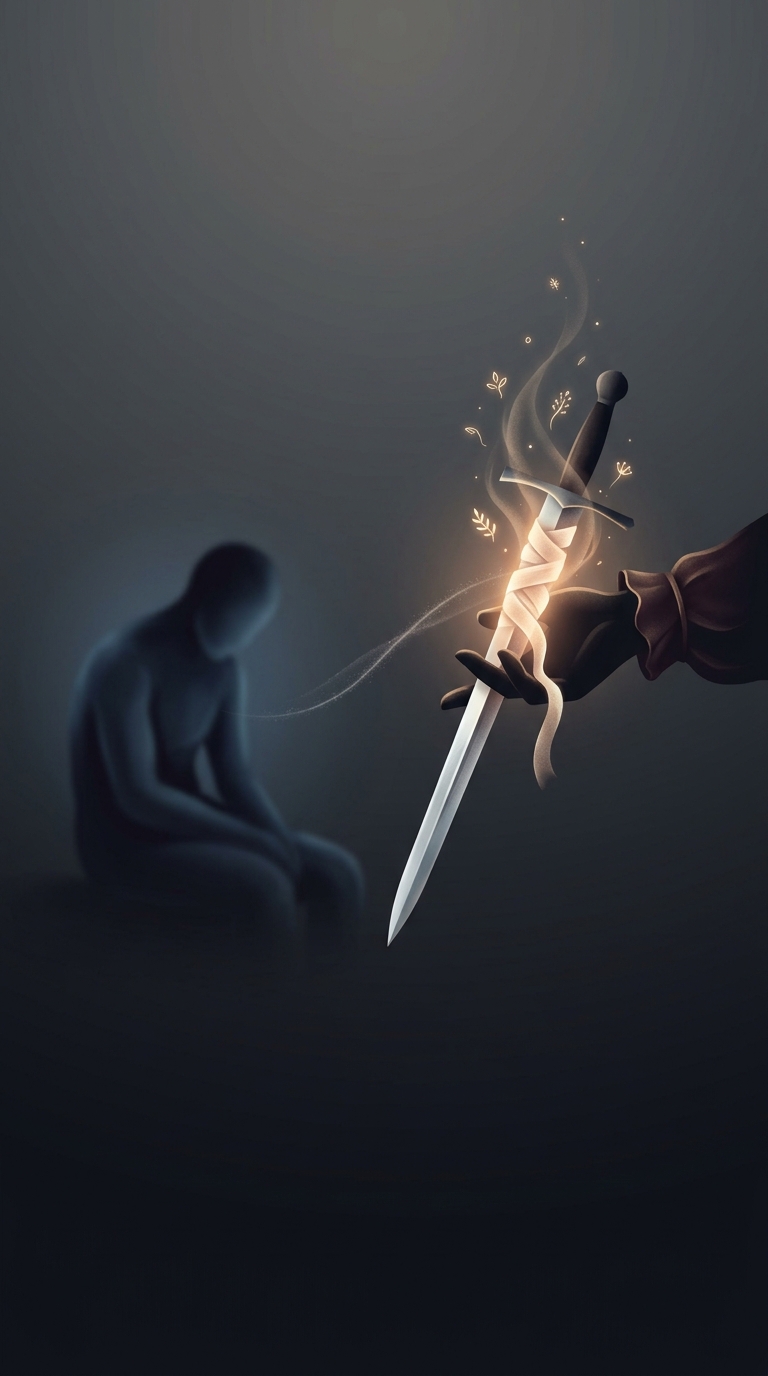
Weapon salve turned an injury into a problem of connection. Its practitioners believed that a wounded person, the blood on the blade, and the weapon itself remained linked after the strike. Because of that link, they reasoned, treating the weapon could affect the injured body at a distance. The ointment was applied to the sword or other weapon—not to the cut.
This idea is an example of sympathetic magic: the belief that things connected by contact or resemblance can continue to influence one another. The weapon was not merely a reminder of the injury in this way of thinking; it was part of the treatment’s target. Careful handling of the blade and its blood mattered because the ritual depended on preserving that connection.
How an Unusual Treatment Could Seem to Help
The practice also changed what happened at the wound. Rather than applying some contemporary remedies directly—including boiling oil, which could further damage tissue—the injured person might be spared that treatment. A wound left without such an intervention could heal on its own, making the weapon salve appear effective even to someone who understood the recovery through magic.
That does not mean every wound healed, or that avoiding treatment made an injury safe. But the remedy joined a striking ritual to a practical consequence: the supposed cure could help by keeping a harmful substance away from the wound. Its appeal lay partly in that blend of a persuasive explanation and an outcome that, in some cases, nature could supply.