Why a temple dispute became a magical showdown
The Golden Dawn was not just a circle for discussing occult ideas. It was an initiatory order: members advanced through ranks by taking part in ceremonies that taught its system of magic, symbolism, and spiritual development. A London temple therefore carried practical authority. Whoever controlled it could influence its rituals, membership, and claim to represent the order.
That made arguments over leadership more than personality clashes. When Aleister Crowley and W.B. Yeats became opponents in a struggle over the London temple, they were contesting who had the right to direct a community whose authority rested partly on secret rites and initiation.
Ritual objects, real-world stakes
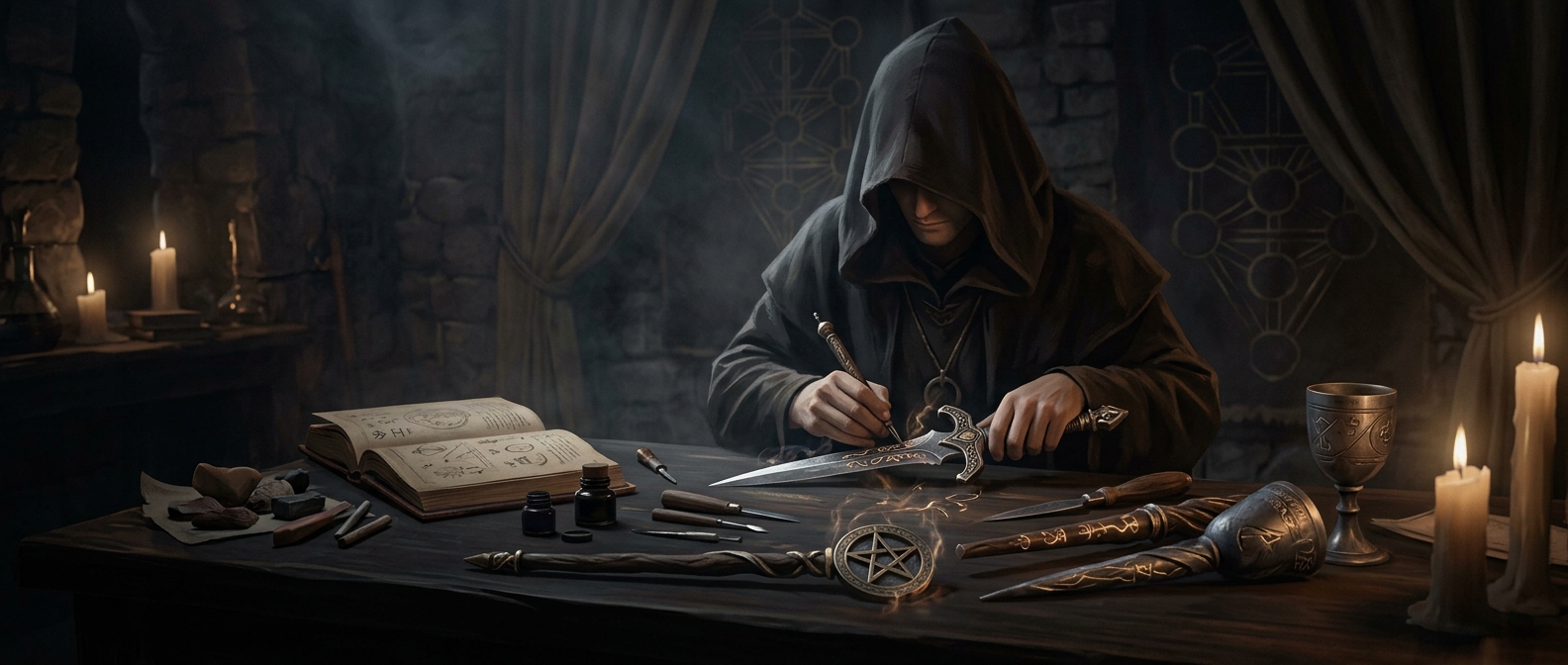
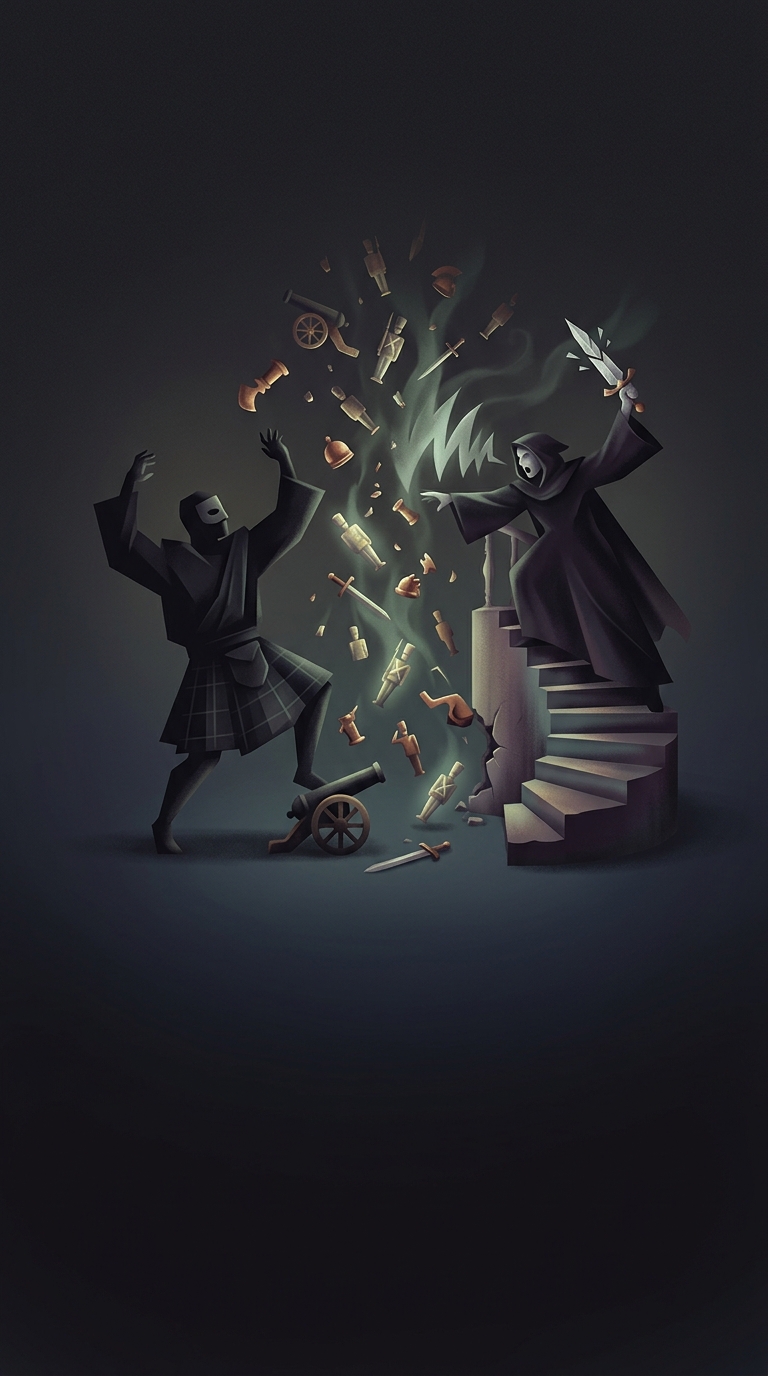
The reported scene sounds like theater: Crowley allegedly appeared in a kilt and black mask, while Yeats defended the stairs with a ceremonial dagger. The dagger belonged to the order’s ritual world, but in a confrontation it also became an unmistakable physical sign that the dispute had crossed out of private disagreement. The colorful details are reported rather than certain; the broader point is that members’ occult identities and organizational rivalries became entangled.
Calling these clashes “magical temper tantrums” captures their intensity, but not a contest of proven supernatural powers. The stakes were human: control, legitimacy, and who would be recognized as an authority. In the Golden Dawn, a fight over the unseen order of the universe could end with people arguing over who was allowed up the stairs.