How a charm was supposed to carry planetary influence
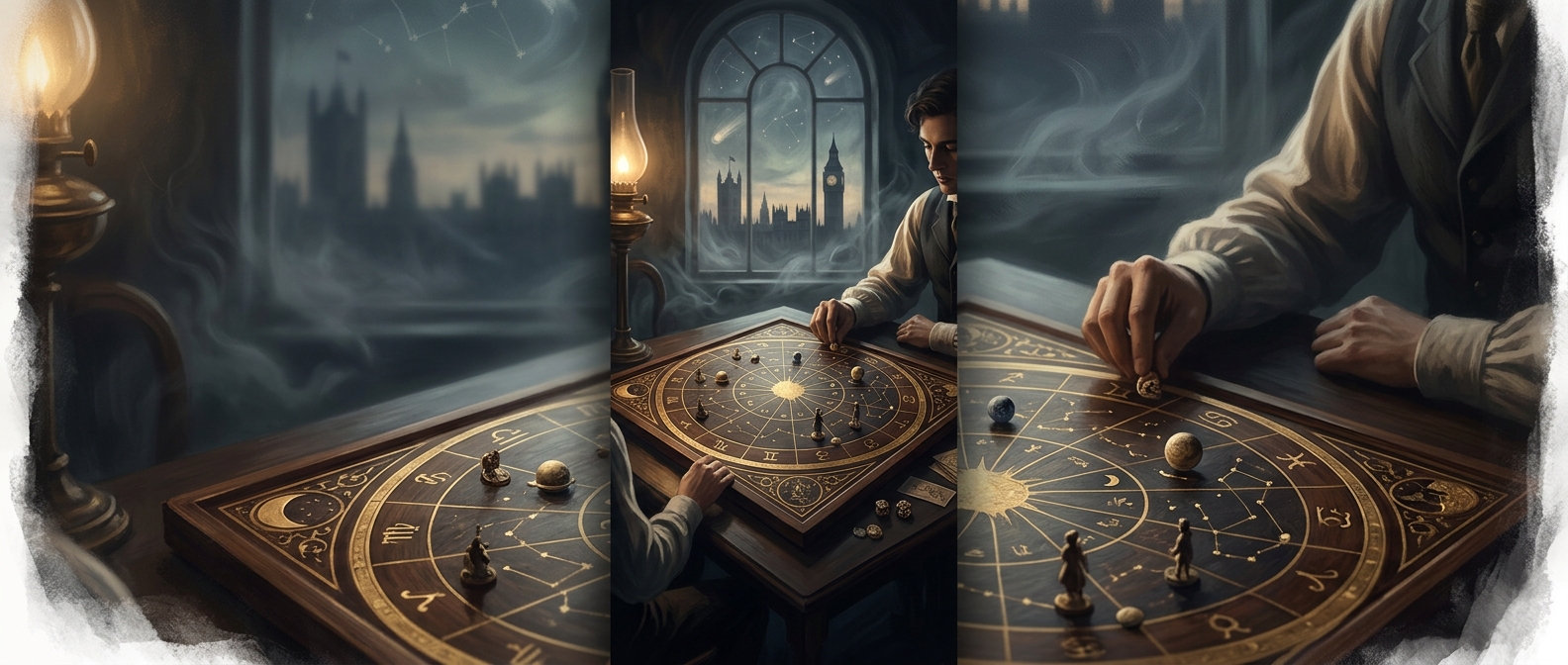
Renaissance astrologers imagined the heavens as active forces that could shape life on Earth. A talisman was meant to make that influence useful: its material and engraved design would correspond to a planet, while choosing an astrologically favorable moment was thought to make the object especially receptive. In this worldview, the charm did not simply remind its owner of a planet; it was treated as a vessel for celestial power.
Tin was traditionally associated with Jupiter, and astrologers matched metals, images, and timing to planetary correspondences. The specific combination mattered because the goal was to bring the desired influence into contact with the person wearing or using the charm.
Ficino’s place in astral medicine
Marsilio Ficino, a fifteenth-century philosopher and physician, helped give this approach intellectual currency. He argued that celestial influences could affect the human body and that carefully chosen objects might help draw beneficial influences toward it. Talismans belonged to a wider practice of astral medicine, alongside attention to diet, daily habits, and the timing of activities.
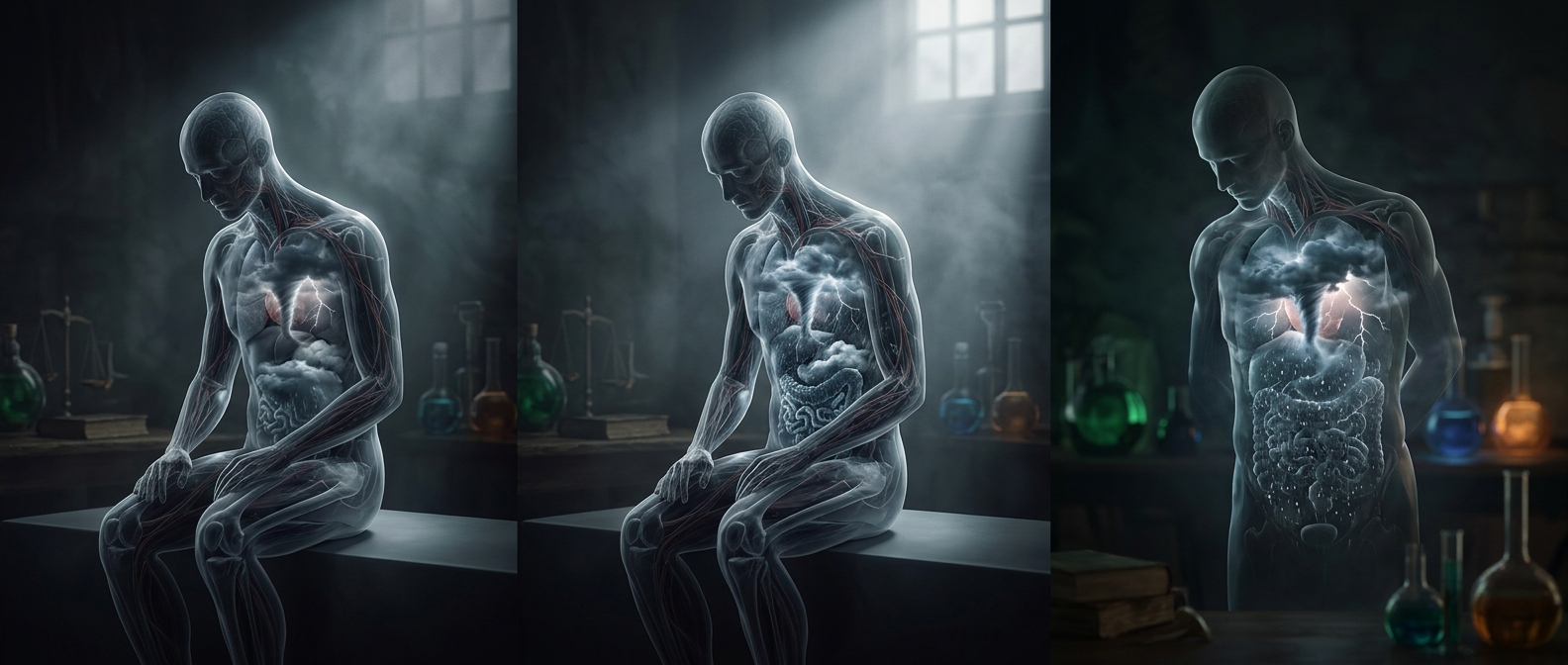
For someone troubled by indigestion, the hope was that a properly prepared charm could correct an imbalance by channeling favorable planetary influence. That explanation made sense within Renaissance ideas about the connectedness of the cosmos and the body; it is not a medically established account of how stomach pain is relieved. The striking detail is the craft involved: the charm’s supposed power depended not only on what it was made of, but on when and under which celestial sign it was made.