The body as a small world
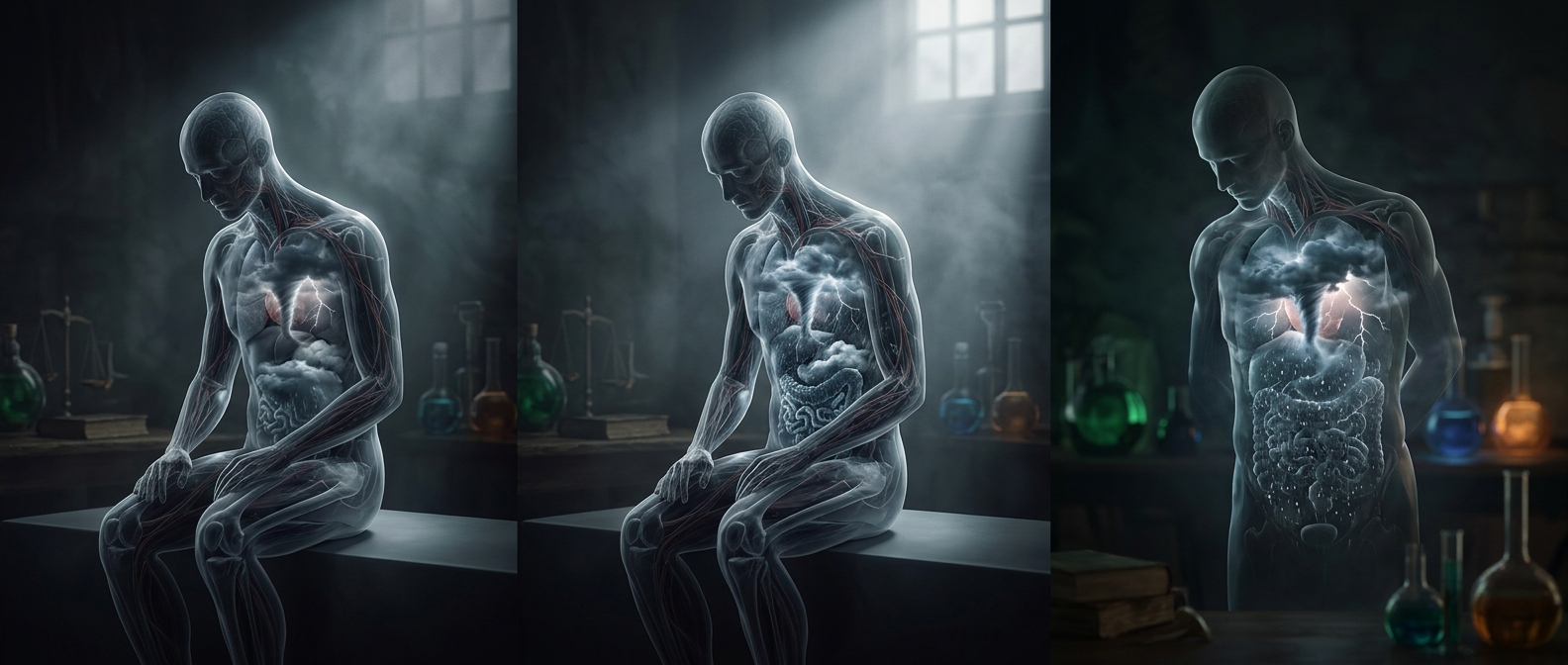
Paracelsus pictured the human body as a world of its own, with conditions inside it that could resemble the weather outside. In this view, illness was not simply a general imbalance of bodily fluids, as many physicians influenced by ancient Greek medicine believed. Different diseases had distinct causes and could develop through their own processes within the body.
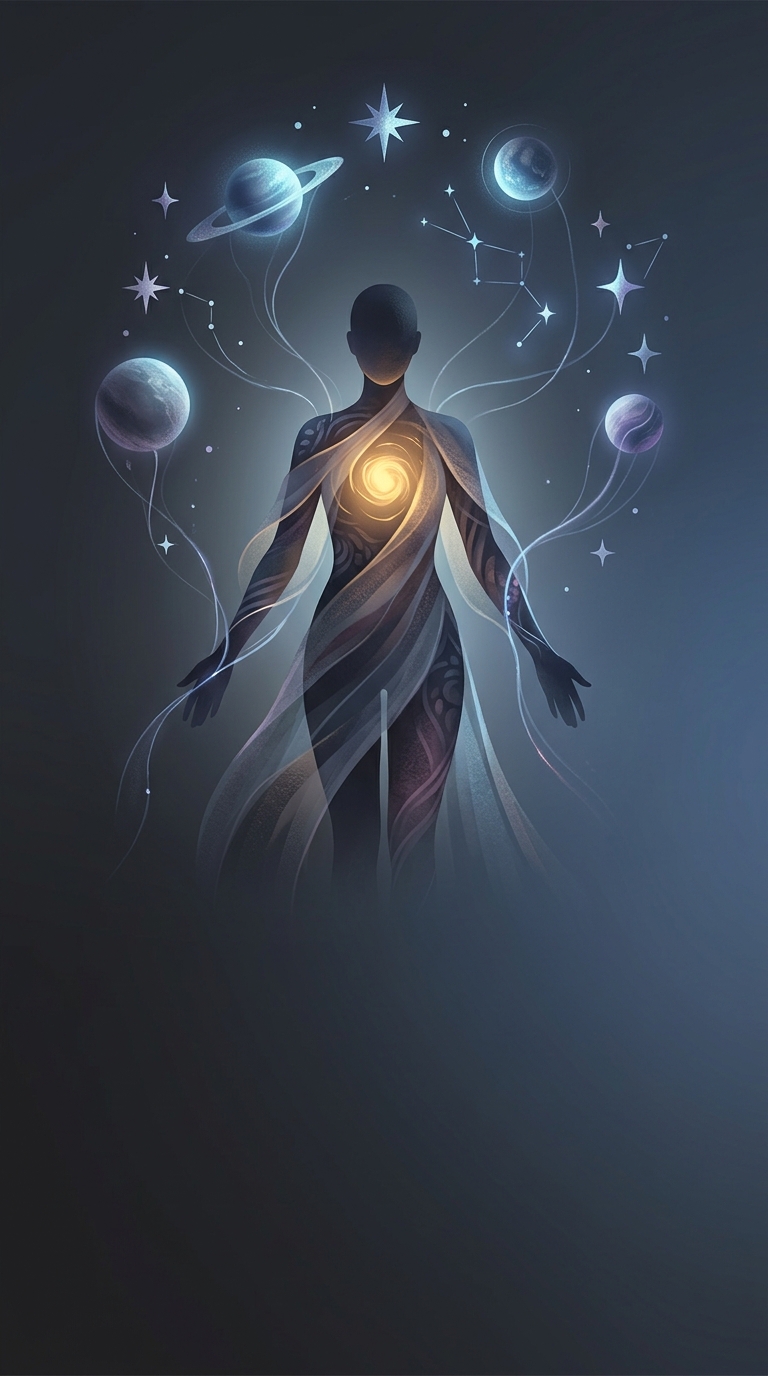
His “internal weather” idea belonged to a broader way of thinking in which the human being was a microcosm—a small world reflecting the larger universe. The analogy let Paracelsus describe bodily change in terms people already understood: just as a storm can disturb a landscape, a harmful process could disrupt the body from within.
A different way to look for causes
Paracelsus’s approach encouraged attention to particular illnesses and their specific origins rather than treating every sickness as the same kind of imbalance. He also gave importance to substances and forces acting on the body, including those from outside it. His explanations blended observation and practical treatment with ideas about cosmic influence that do not match modern biology.
The lasting interest in the image is its shift in perspective: the body was not merely a container whose fluids needed restoring. It was an active environment, where a disease could take hold and spread like a change in the weather.