How Aquinas Made Room for the Stars—But Not for Fate
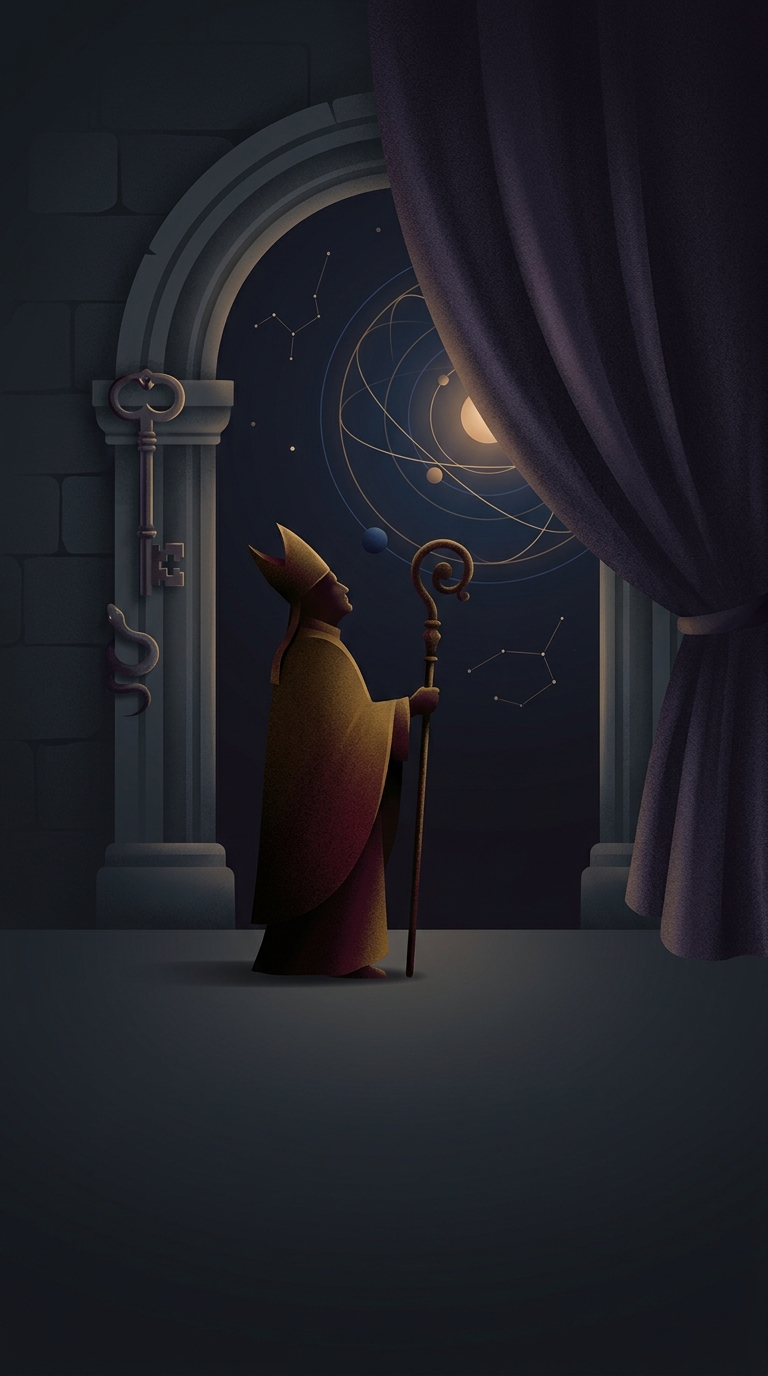
For Thomas Aquinas, the key distinction was between the body and the rational soul. He accepted that the movements of the heavens could affect earthly bodies, including the human body. That influence could stir bodily appetites—such as anger, fear, or desire—and thereby make some patterns of behavior more likely.
But a tendency was not a command. Aquinas held that the rational soul could judge those impulses and choose whether to act on them. The stars might incline a person toward a response, but they could not determine the person’s will. That boundary let him explain why an astrologer might sometimes make a plausible prediction without conceding that human choices were fixed in advance.
Why the Prediction Could Seem to Work
Aquinas’s reasoning depended on a practical observation: people often follow their strongest immediate impulses rather than restrain them. If a celestial influence shaped bodily temperament, and someone commonly acted on that temperament, an astrologer might forecast the person’s likely conduct. The forecast would describe a tendency, not reveal an unavoidable future.
The distinction also marked a limit. A claim about bodily inclinations was different from claiming certain knowledge of a free choice. In Aquinas’s framework, astrology could not read the soul’s decisions as though they were already written in the sky.
A Narrow Opening, Not a Blank Check
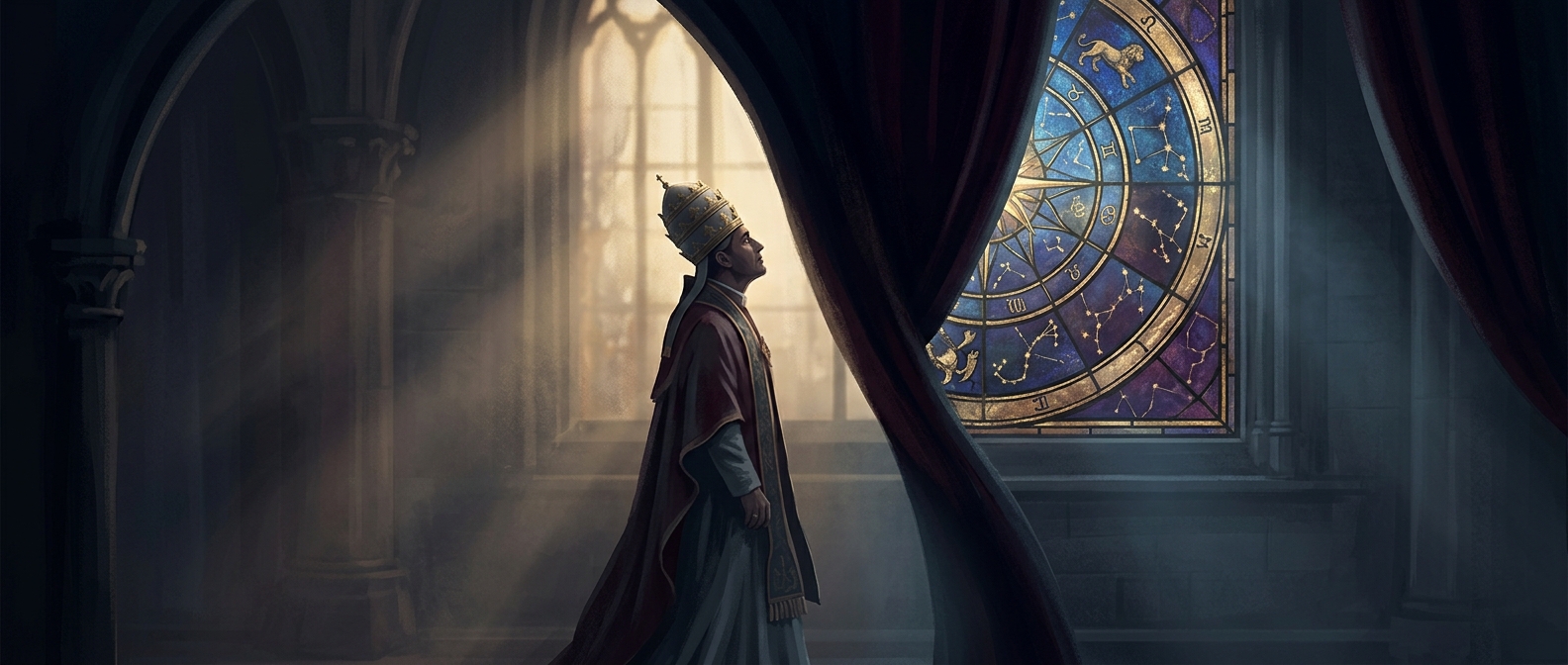
This position offered a theological opening for some forms of astrological prediction, but it did not make every horoscope acceptable or reliable. The crucial test was whether the stars were treated as influences on bodily life—or as forces that erased human freedom. For Aquinas, the stars could shape the pressure a person felt; they could not make the choice for them.