Why a painted animal might have mattered beyond the wall
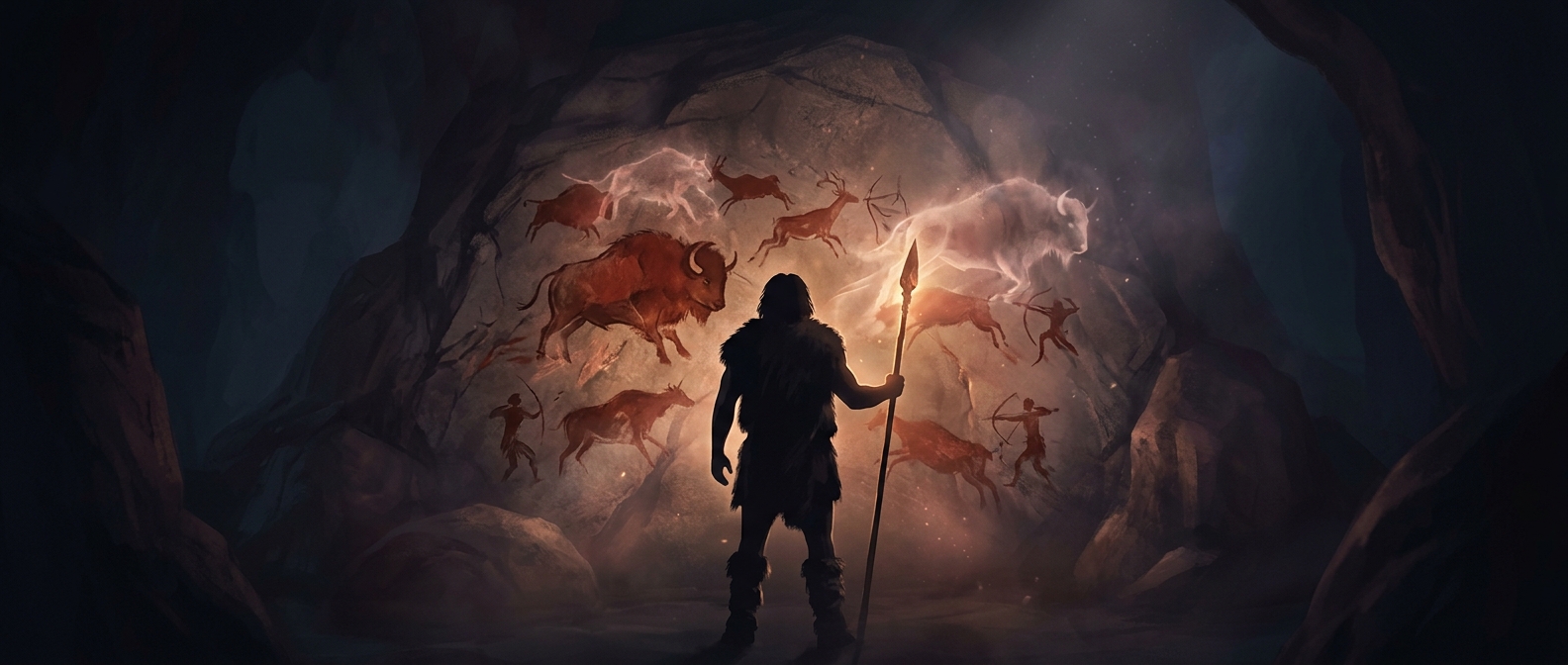
A picture can seem like more than a picture when people believe resemblance creates a connection. Sympathetic magic is the name anthropologists use for practices based on that idea: acting on an image or likeness may affect the thing it represents. Under this interpretation, painting an animal could have been part of trying to influence a hunt, not simply recording what someone had seen.
A plausible reading, not a decoded message
The theory fits some features of prehistoric art: animals are prominent, and images were made in places that were not ordinary living spaces. But those details do not settle what the artists intended. A painting could have served several purposes, including storytelling, teaching, ritual, or expression, and the people who made it left no written explanation. The same image may even have meant different things to different people.
That uncertainty matters. Calling the paintings a prehistoric “vision board” captures one possible logic, but it can also make an unfamiliar belief sound like a modern motivational exercise. If the sympathetic-magic interpretation is right, the image was not merely a wish for success; it belonged to a worldview in which representing an animal could be a way of engaging with it. The enduring mystery is that the paintings preserve the animals vividly while leaving the painters’ intentions just out of reach.