A deadline that threatened more than one book
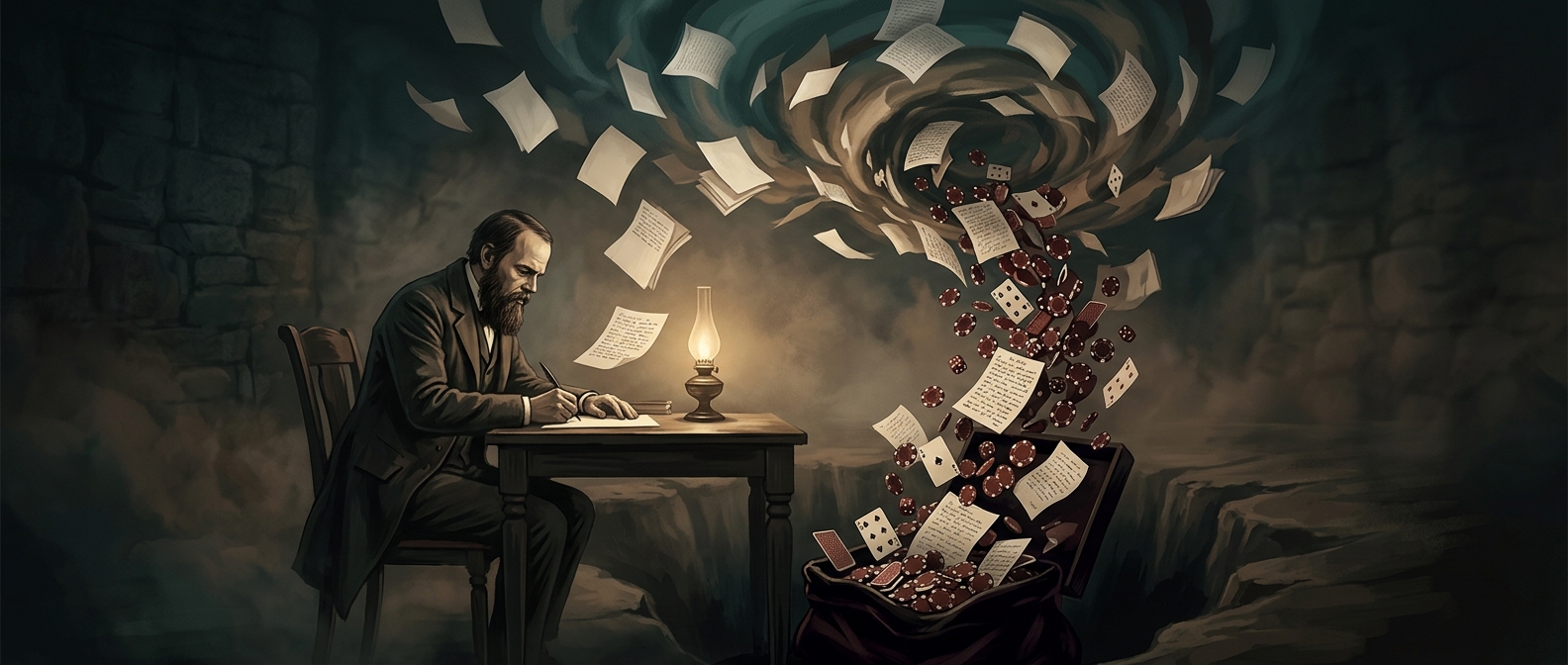
The novel was The Gambler, and its deadline came from a punishing publishing contract. Dostoevsky had borrowed money and needed to deliver a new work by November 1, 1866. If he missed the date, the publisher could acquire rights to his existing and future works for a period of years, without paying him separately for them. The penalty made a missed deadline potentially costly well beyond the book he was writing.
Dictation turned days into pages
Dostoevsky worked with Anna Grigoryevna Snitkina, a skilled stenographer. She took down his words in shorthand, then prepared a clean copy from her notes. That let him produce a full manuscript on an exceptionally compressed schedule without having to write out every line by hand.
The process was intense, but it was also a practical response to the contract: dictation and rapid transcription helped convert his ideas into pages before the cutoff. Snitkina later became his wife. The book’s production thus depended not only on Dostoevsky’s speed, but on a collaborative method that made that speed possible.
The contract shaped the work
The episode is a reminder that literary creation can be steered by financial terms as much as by inspiration. Here, a publisher’s deadline and a severe penalty helped determine how the novel was made—and turned a writing schedule into a race to protect the author’s future work.