How Tintin’s world was built from a desk
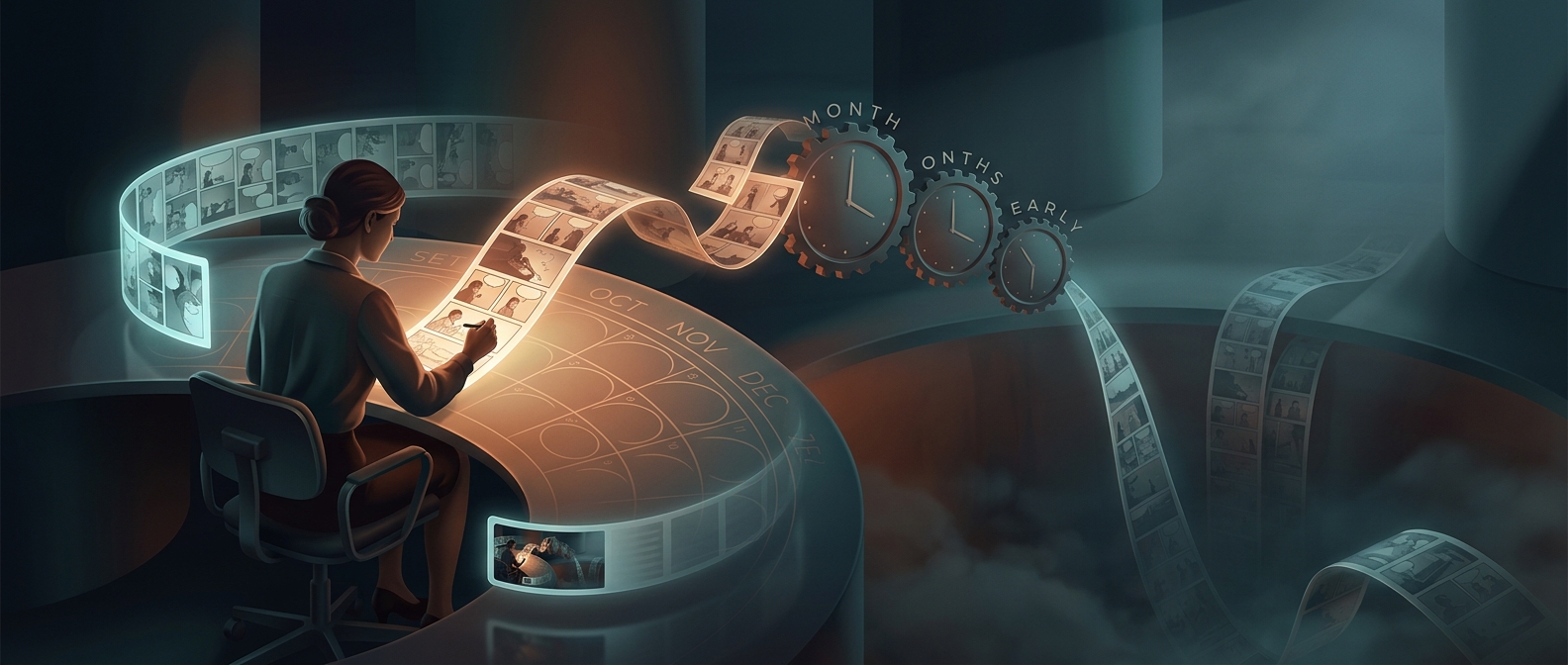
Tintin could cross continents because Hergé did not need to reproduce a place exactly to make it work as an adventure setting. He needed recognizable visual clues: a kind of building, a uniform, a vehicle, a landscape. Newspaper images and other printed material supplied those clues, while familiar stereotypes filled gaps in what he could not verify. The result could feel vivid and specific even when it simplified the people and cultures being shown.
That method shaped more than the scenery. In early stories, a country could become a stage for a fast-moving plot, with its inhabitants drawn through assumptions common in the publications of the time. Readers received a strong impression of place, but not necessarily a reliable picture of it.
A change in the way he looked
Hergé’s approach shifted notably while he was preparing The Blue Lotus, set in China. He met Chinese artist Zhang Chongren, who challenged the clichés Hergé had been using and helped him learn more about Chinese life and politics. Instead of treating a distant country as a ready-made backdrop, Hergé worked to make the setting more informed and particular.
That change mattered to the series’ craft: research became part of the storytelling, not just a way to decorate the page. Tintin’s journeys could still be imagined from afar, but the books increasingly showed how much difference it made to ask whose perspective had shaped the images in the first place.
The contrast is part of Tintin’s history: the same fictional traveler who could go almost anywhere also reveals how a creator’s knowledge—and the limits of it—can shape what readers think they are seeing.