A celebrated prose stylist could still misspell words
Fitzgerald’s reputation rests on his command of sentences and scenes, not on flawless spelling. Those are different skills: spelling depends on retrieving a word’s conventional letter pattern, while literary writing also involves choices about voice, rhythm, image, and structure. A writer can be powerful at the latter and unreliable at the former.
A manuscript is work in progress
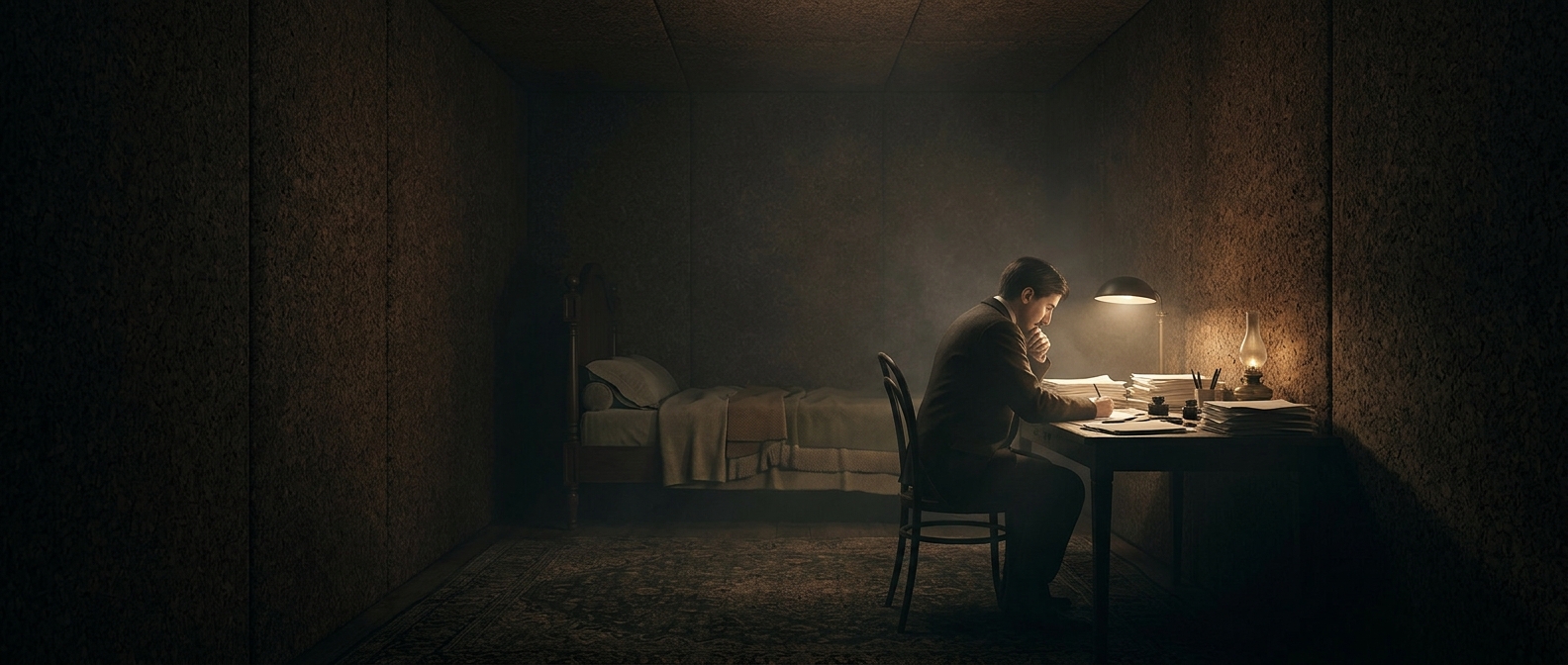
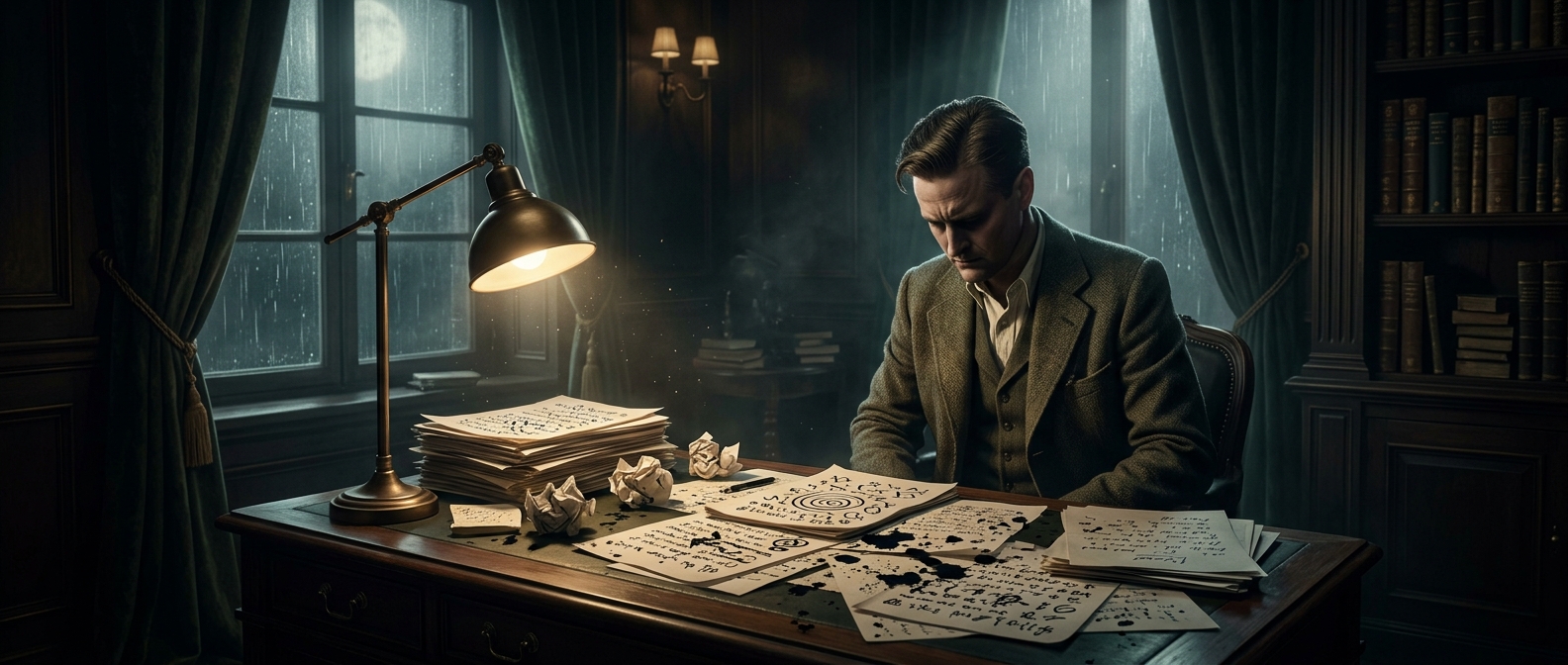
Typos in a manuscript are not the same thing as errors in a published book. A manuscript is a working document; before publication, text can pass through revision, copyediting, and proofreading. Those stages are meant to catch problems in spelling and consistency, among other things. The printed page can therefore look polished even when the writer’s own draft is not.
That distinction matters with Fitzgerald. The errors are a glimpse of the practical labor behind literary writing, not a measure of the care or intelligence in the finished work. Hemingway’s teasing made the weakness memorable, but it also turned a mundane flaw into a contrast between two writers: one could be admired for his prose and still need help with the mechanics of written words.
The typo is not the whole story
Fitzgerald’s example is worth retelling because it unsettles a tidy assumption: that great writers must be naturally excellent at every part of writing. In reality, the finished book is often the result of both a writer’s distinctive abilities and the less visible work that makes a manuscript ready for readers.