Why Sherlock Holmes Had to Survive Reichenbach Falls
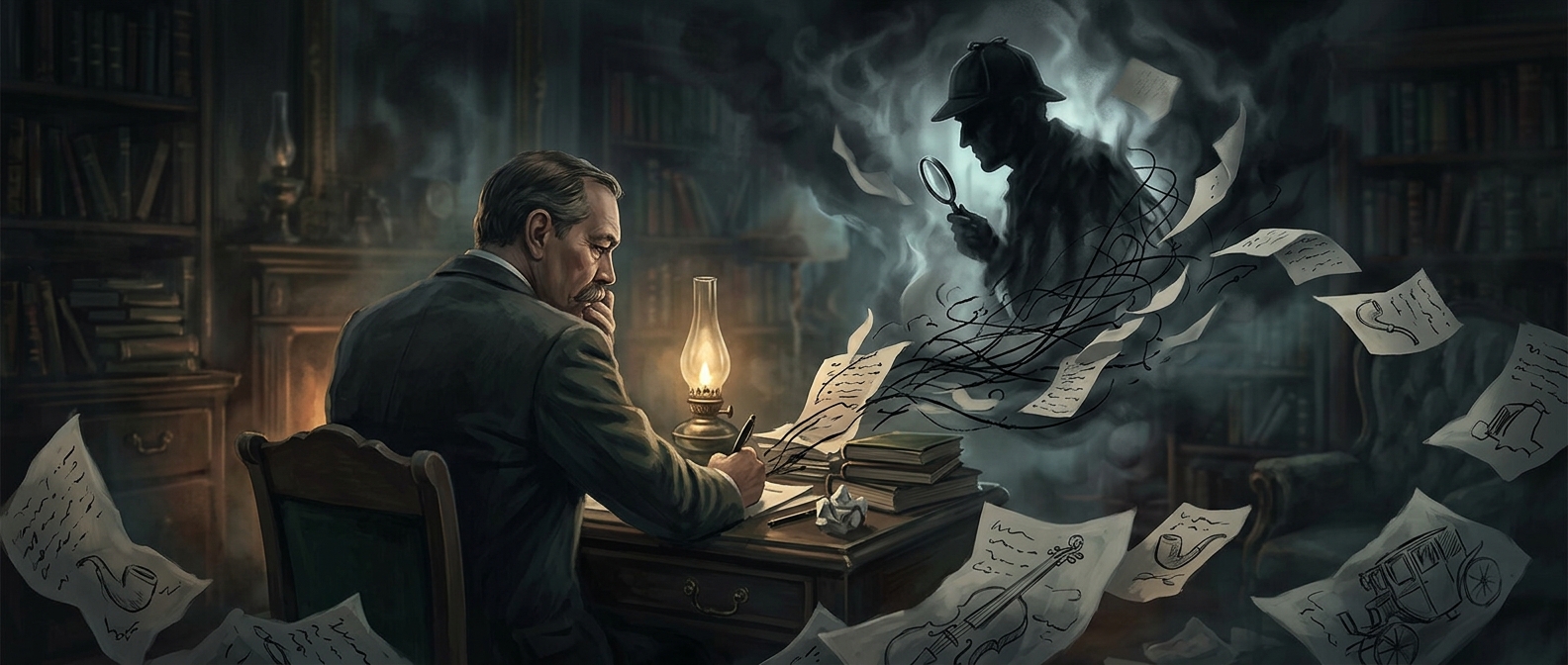
In “The Final Problem,” published in 1893, Arthur Conan Doyle sent Holmes and Professor Moriarty over the edge of a Swiss waterfall. The scene was meant to close the detective’s story—and free Doyle to concentrate on other writing. But Holmes had become the most popular feature in The Strand Magazine, and readers treated his apparent death less like the end of a serial than the loss of a familiar companion.
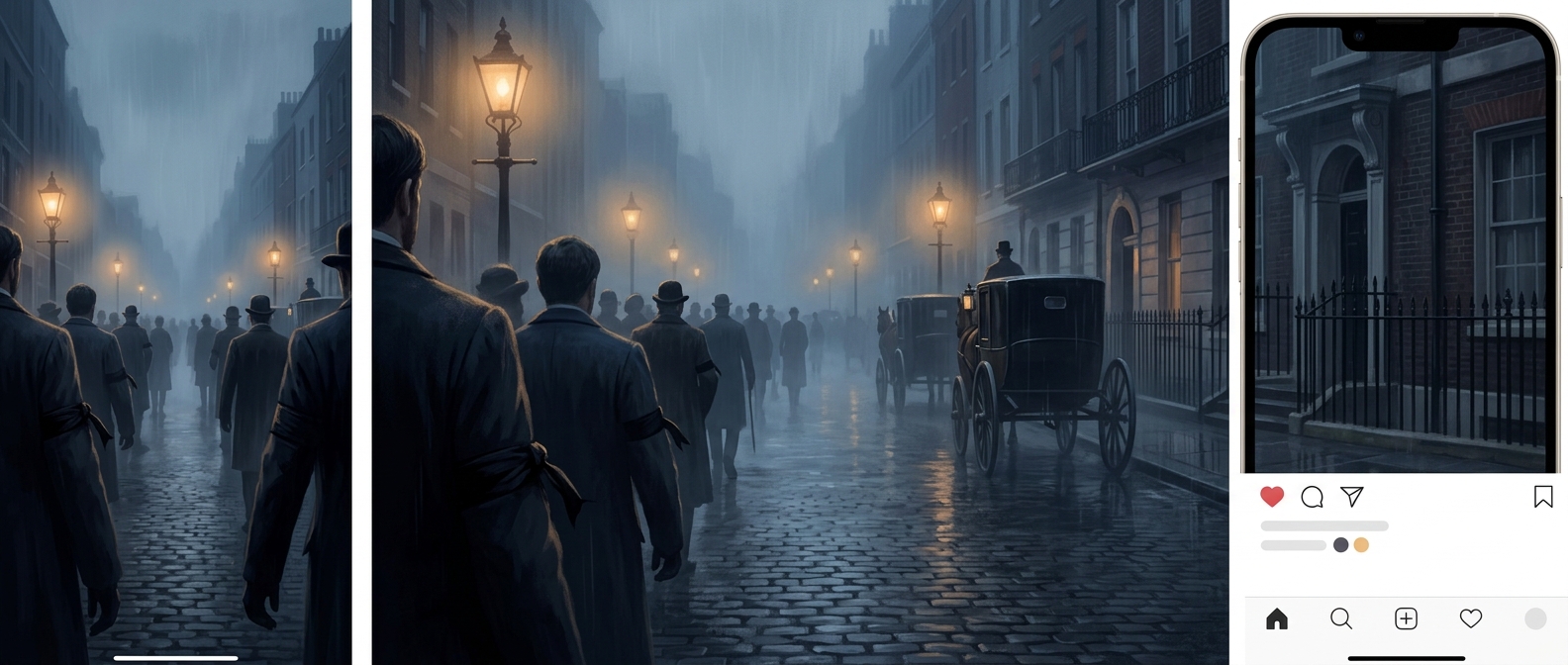
The reaction reached beyond disappointed letters. Readers canceled magazine subscriptions, and some mourned Holmes publicly, wearing black armbands. The response showed Doyle the practical cost of ending a character whose adventures helped keep readers coming back.
A Return Without Undoing the Ending
Doyle did not immediately reverse the death scene. In The Hound of the Baskervilles (1901–02), Holmes appears in a story set before the fall, allowing readers to have a new adventure without changing what had happened at Reichenbach. Then, in “The Adventure of the Empty House” (1903), Doyle brought Holmes back in the story’s present timeline. He explained that Holmes had survived the plunge and staged his death to escape Moriarty’s allies.
That solution preserved the drama of the original farewell while reopening the series. Holmes’s return was both a fictional escape and a response to the audience’s power: Doyle could kill his detective on the page, but readers’ attachment made the decision difficult to leave final.