How a fictional detective acquired a real-world address
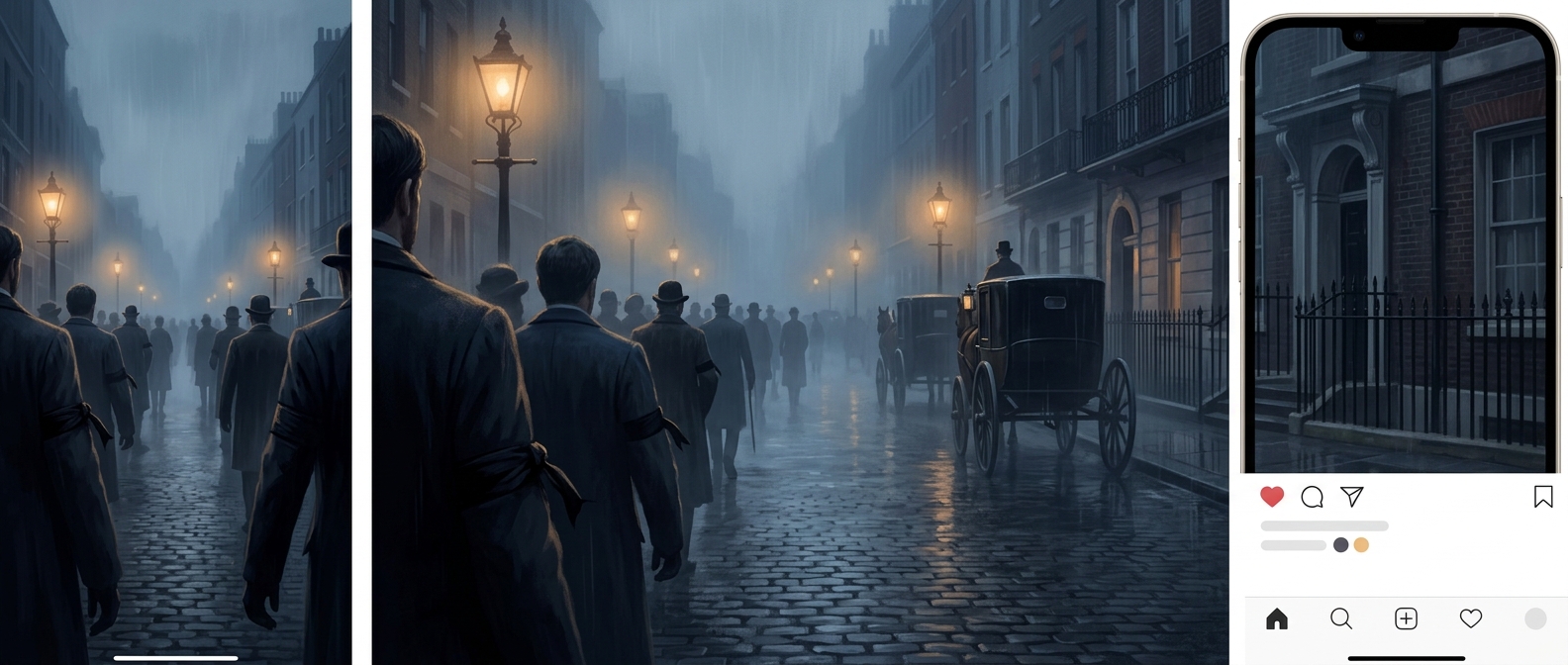
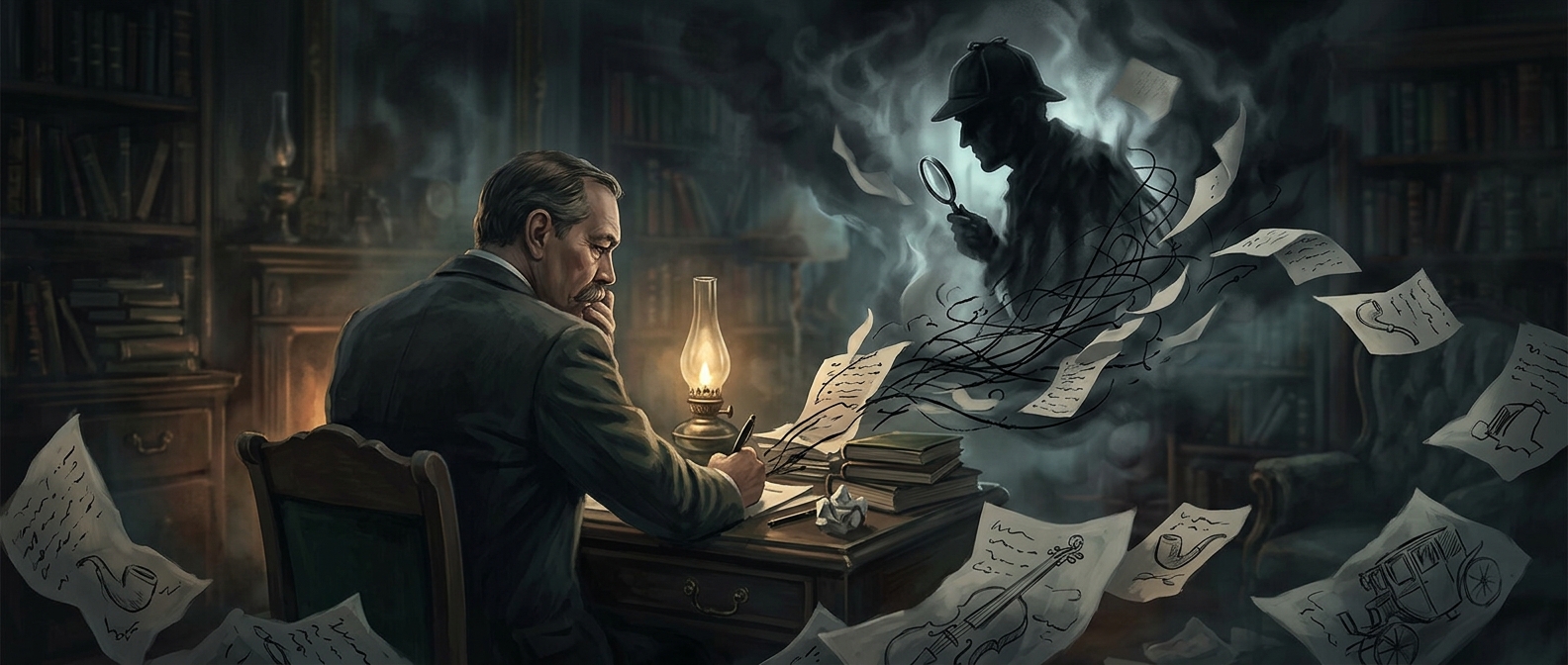
Sherlock Holmes’s address was part of the machinery that made the stories feel like reports from a life already in progress. Arthur Conan Doyle gave Holmes and Dr. Watson a home at 221B Baker Street, then told many of their adventures through Watson’s accounts of cases. A street address, a familiar domestic setting, and the appearance of recorded evidence made the detective seem less like a character being invented and more like someone a reader might actually contact.
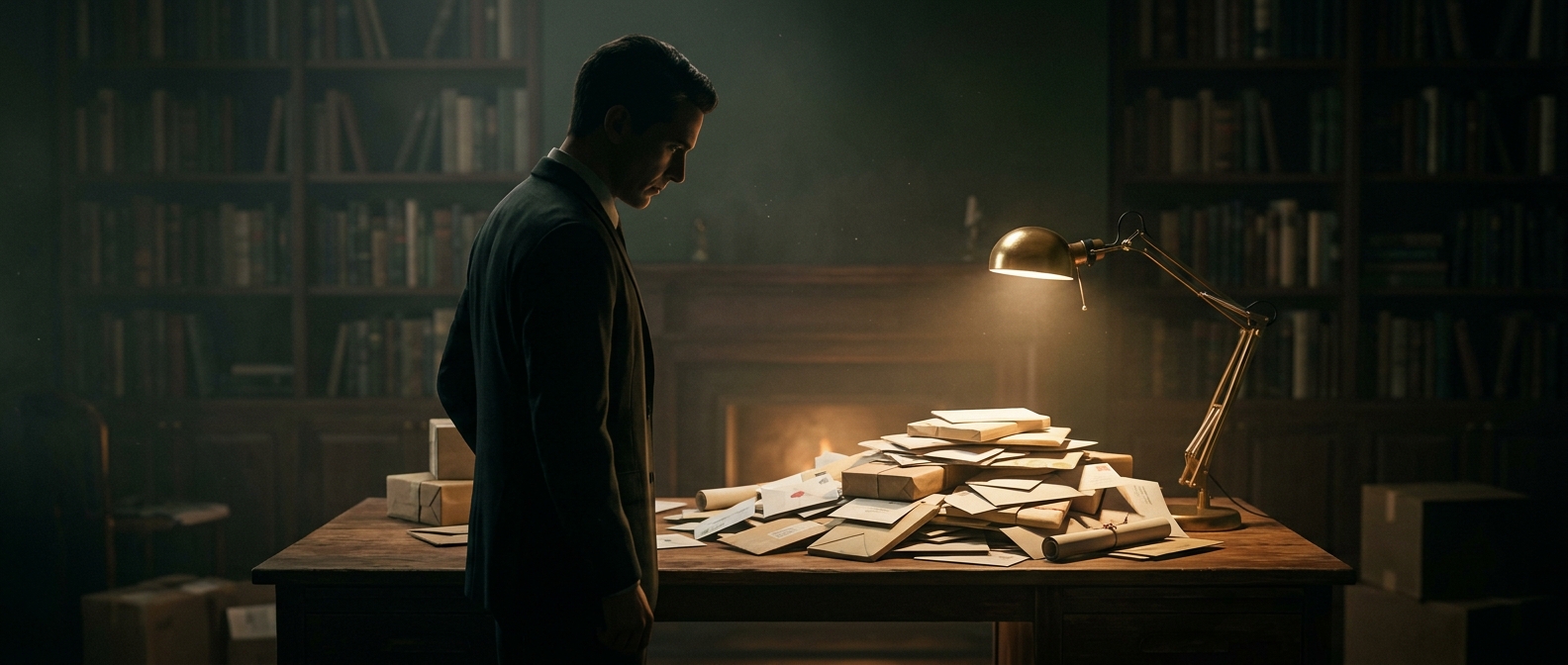
That effect has outlasted the stories. Baker Street is a real London street, and the address is closely associated with the Sherlock Holmes Museum, which receives correspondence intended for the detective. The fictional location has become a destination—and a working postal destination for people who want to place a problem before Holmes.
Why people write to Holmes
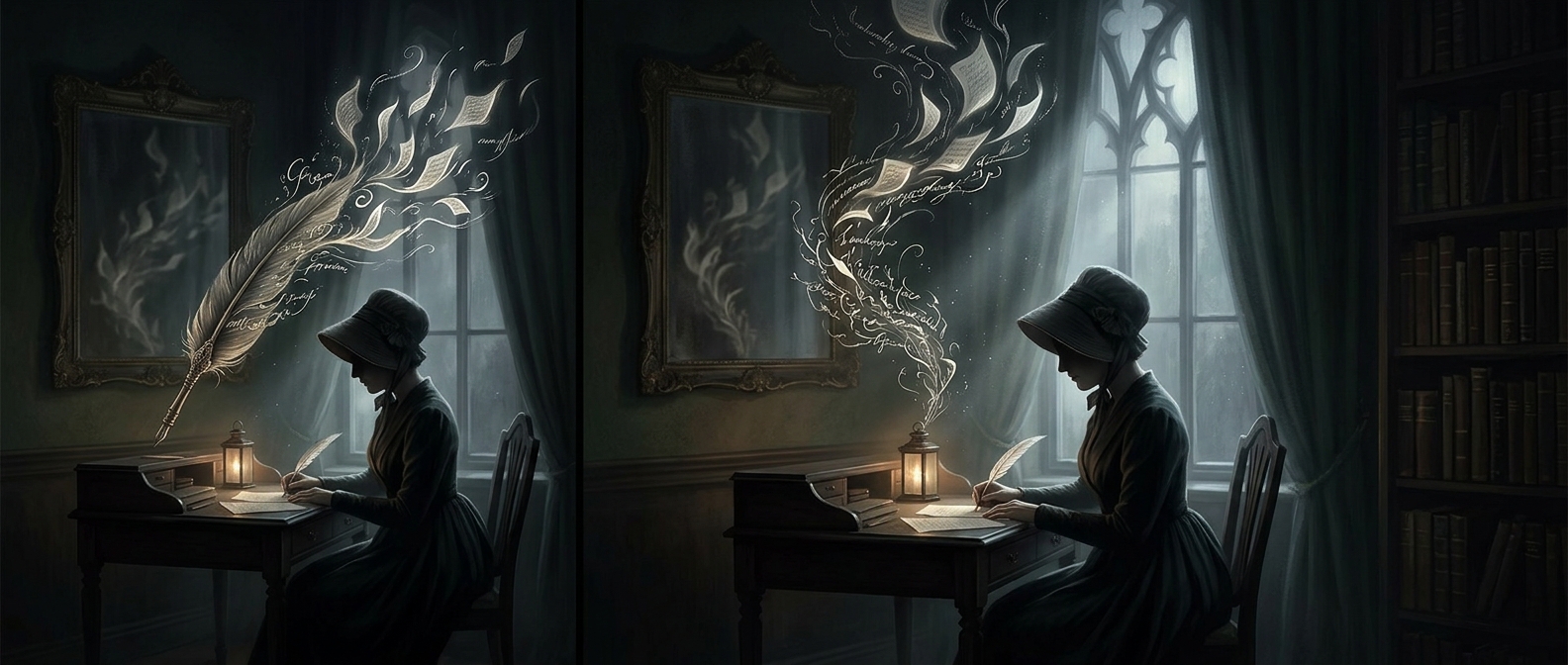
A plea for help treats the stories’ central promise as something personal: confusing clues can be sorted out by a patient observer who notices what others miss. Some writers bring real troubles; others may simply enjoy extending the fiction by addressing Holmes as if Watson might open the envelope. Either way, the letter turns reading into a small act of participation.
There is a practical limit: Holmes is a literary character, not an investigator who can take a case. But the mail shows how thoroughly Doyle’s storytelling made an invented life feel reachable. A fictional address became a real place to send a letter—and a way for readers to step briefly inside the detective’s world.