A byline that changed with each book
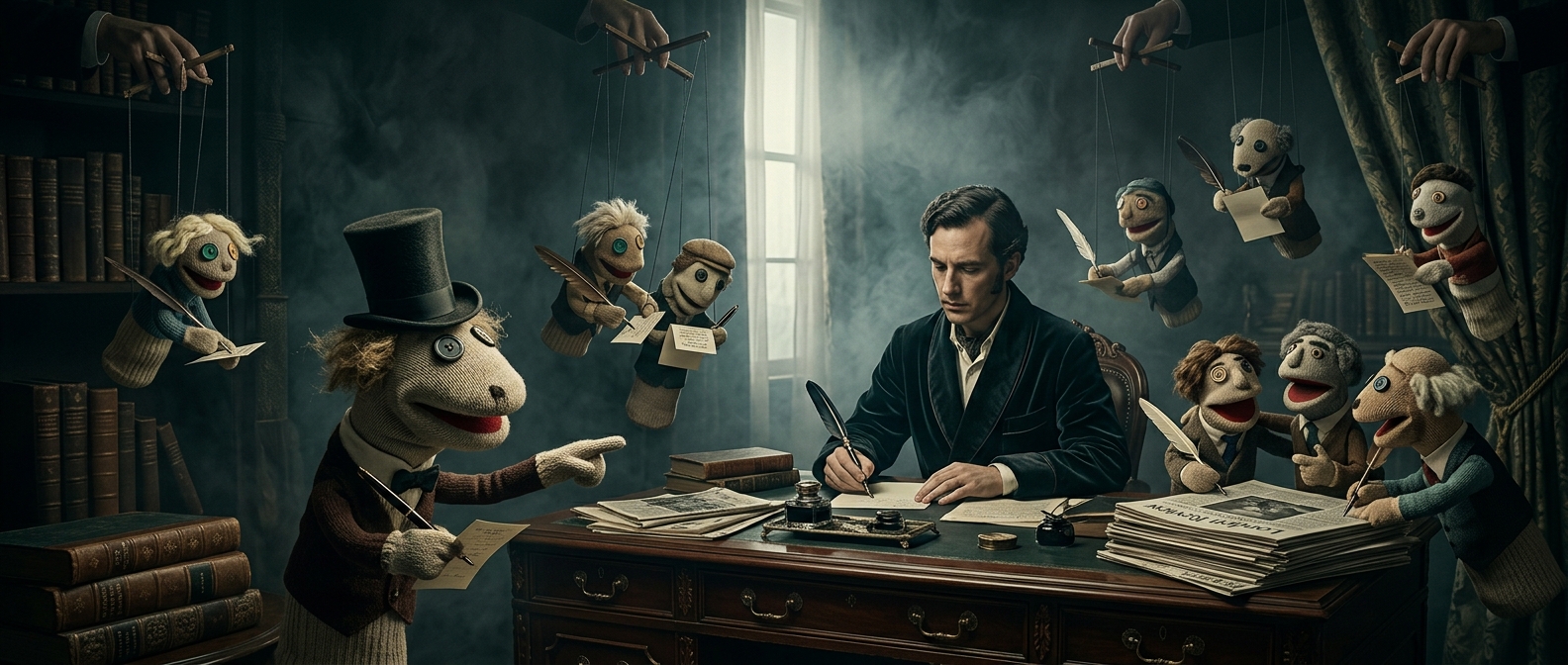
When Sense and Sensibility appeared in 1811, its title page named no author, only “A Lady.” That wording offered readers a hint about the writer’s gender while withholding her identity. It also let the novel be presented as a published work without putting Jane Austen’s name before the public.
Her next novel, Pride and Prejudice, used a different credit: “The Author of Sense and Sensibility.” The phrase linked the new book to a work readers could already recognize, turning the earlier anonymity into a kind of literary brand. Austen’s name was absent, but her books were not entirely unconnected to one another.
Privacy, reputation, and a public career
For a woman in Austen’s social world, publishing could bring attention as well as income. An unnamed credit allowed a writer to reach readers while keeping her literary work partly separate from her private identity. Austen’s exact reasons for choosing it are not known, so the title-page language should not be treated as a confession of embarrassment or a ban on women writing. Women did publish under their own names; anonymity was one available choice, not the only one.
The arrangement also shaped how readers encountered her work. They could discuss a novel, buy another by its supposed author, and form opinions about the writer without knowing who she was. The books built a reputation before the name did.
The name arrives after her death
Austen died in 1817. Afterward, her brother Henry identified her as the author in a biographical notice accompanying posthumous editions. That disclosure connected the novels’ growing literary reputation to the person who had written them—and made clear that the discreet title-page formulas had concealed a single, now recognizable author.