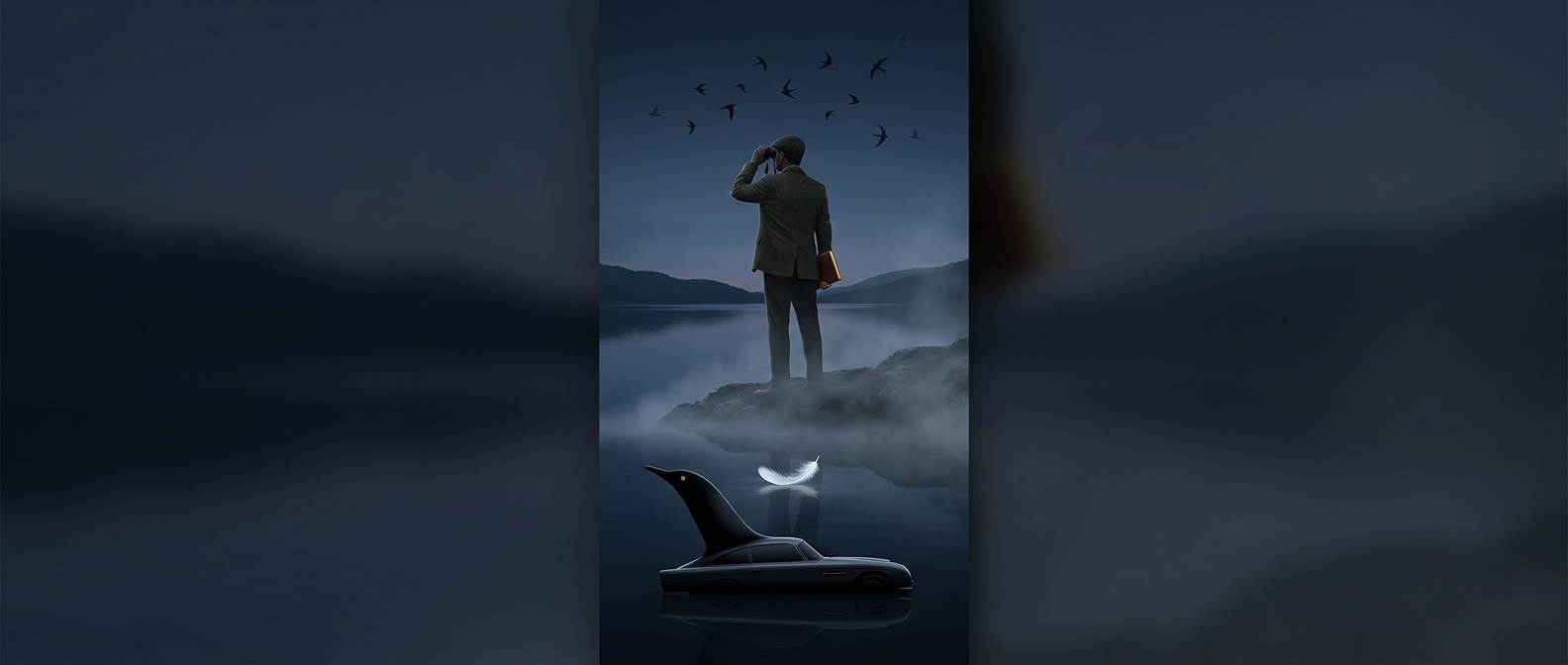
A name found among the birds
Ian Fleming was not looking for a name that sounded like a spy’s. He wanted one that would not call attention to itself, and a Caribbean bird guide offered an unlikely candidate: James Bond, the name of the book’s author, an American ornithologist who studied birds.
That choice fit Fleming’s design for his hero. A secret agent needed to move through ordinary settings without seeming remarkable; an extravagant, theatrical name would work against that idea. “James Bond” sounded plausible enough to belong to someone you might meet without remembering.
The name became part of the character
The contrast gave the name its staying power. In Fleming’s stories, Bond’s assignments are dangerous and often spectacular, but his name remains plain and restrained. The reader hears it against the action, and its everyday quality makes the fantasy feel just a little closer to real life.
The name also traveled far beyond the field guide. As the novels became films and the character entered popular culture, “James Bond” stopped being merely an author’s name borrowed for a fictional agent. It became shorthand for the polished, capable spy himself—a reminder that a deliberately forgettable name can become unforgettable when attached to the right character.