A fictional death with a real-world audience
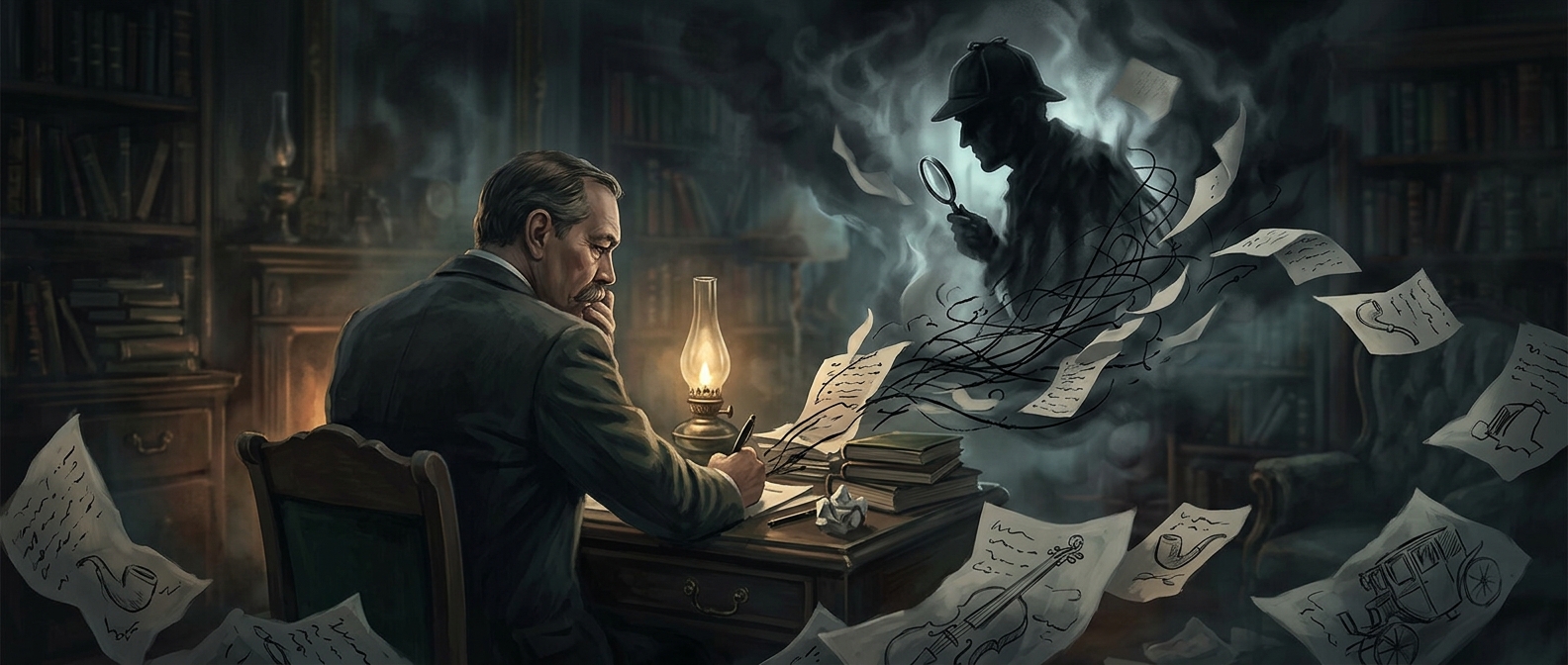
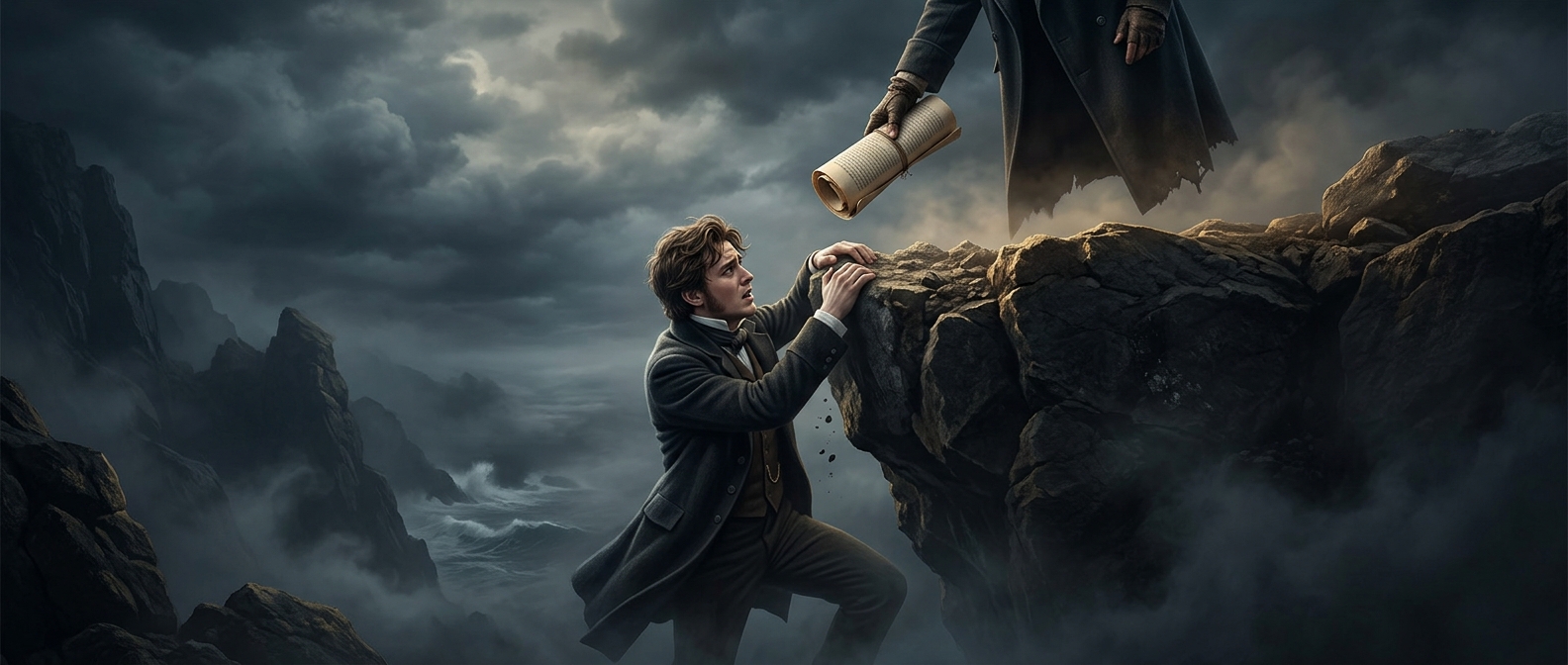
In 1893, Arthur Conan Doyle sent Sherlock Holmes over the Reichenbach Falls in “The Final Problem,” a story published in The Strand Magazine. Holmes’s apparent death was not a quiet ending tucked inside a finished book: readers had been following his adventures in a popular magazine, so the loss arrived as a public event in an ongoing series.
Doyle had grown tired of writing the detective and wanted to devote more attention to other work. The story’s dramatic ending gave him a way to close Holmes’s casebook—but readers were not ready to close theirs.
Mourning became a form of protest
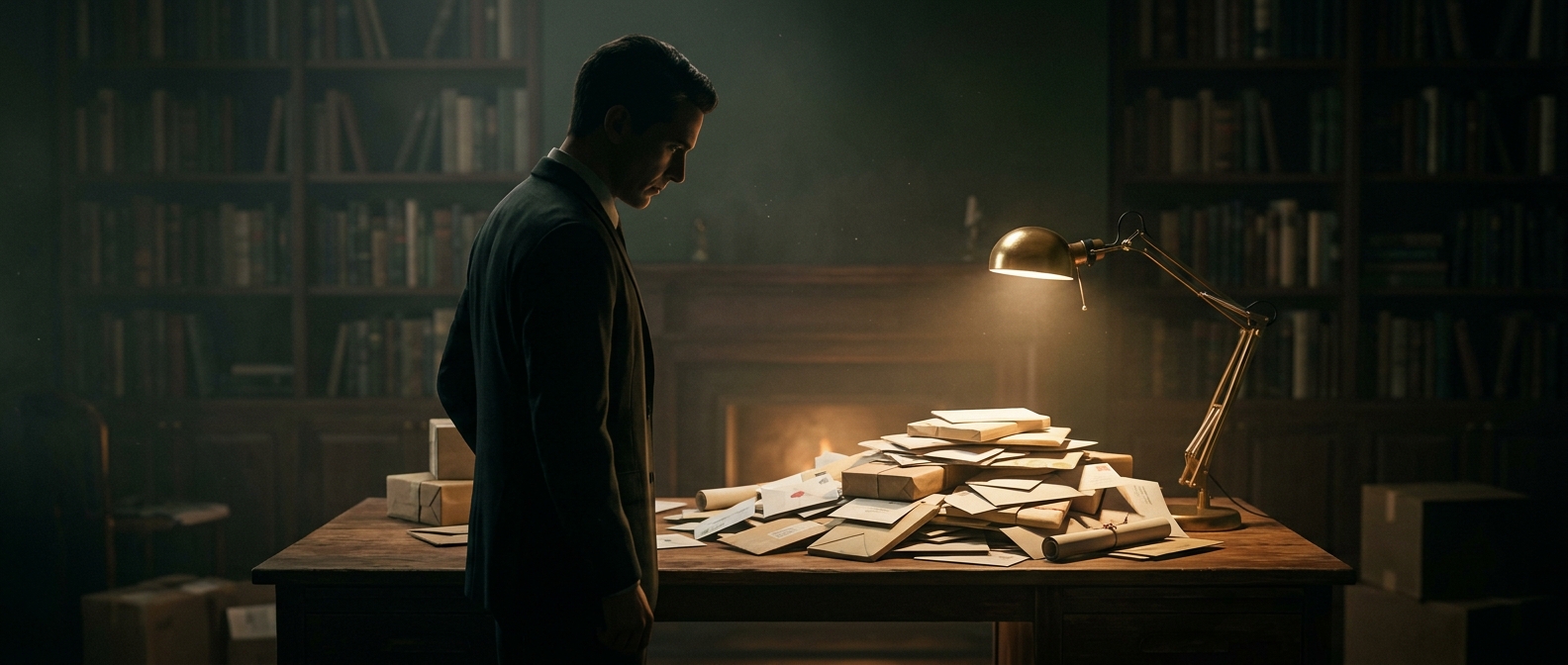
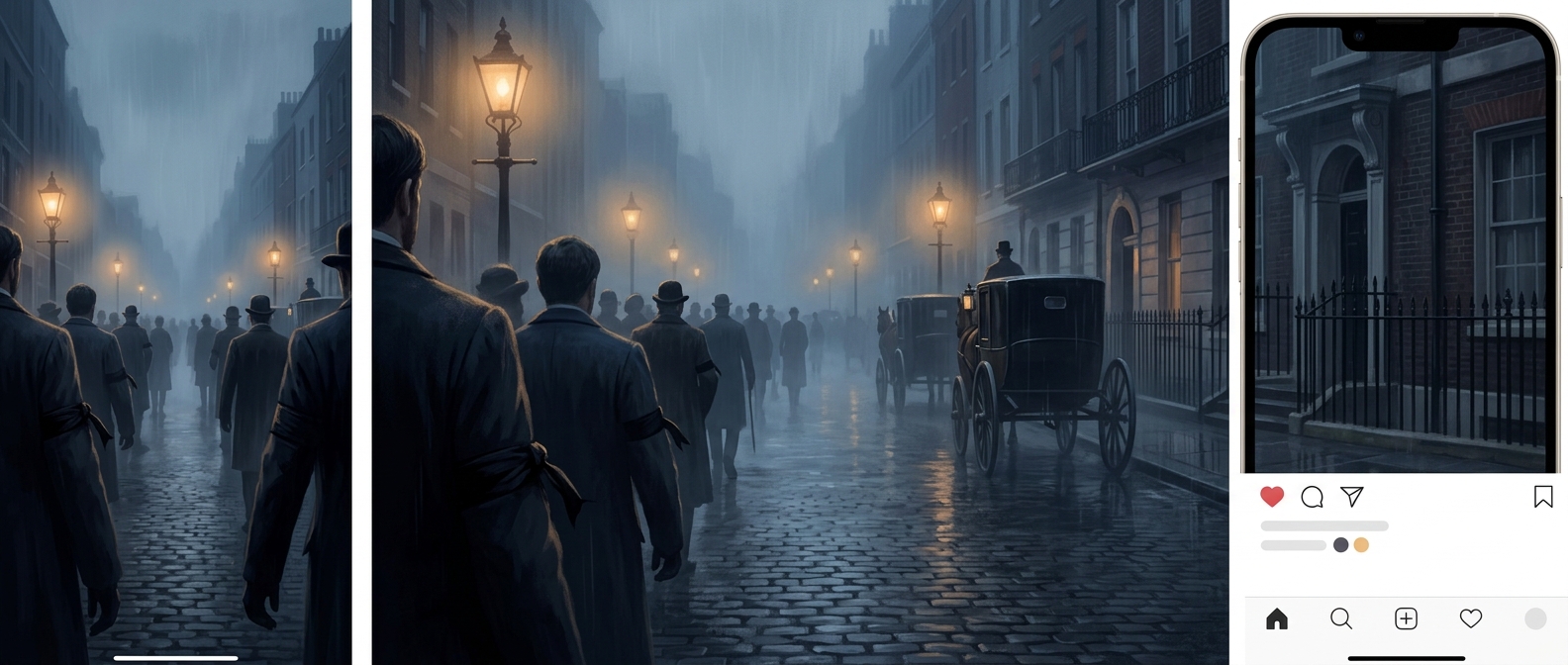
Reports that more than 20,000 subscribers canceled The Strand show how strongly Holmes’s departure could affect the magazine. The black armbands attributed to some men made that reaction visible: readers treated the death as a loss worth marking, even though they knew Holmes was fictional.
The cancellations mattered because a serialized magazine depended on readers continuing to buy its next issue. In that setting, outrage was more than a response to a plot twist; it could also pressure the publisher and Doyle by threatening the audience that sustained the stories.
The ending did not stay final
Holmes’s return in later stories turned the public backlash into part of the character’s history. The episode demonstrated the unusual leverage of a devoted audience: readers could not dictate Doyle’s choices, but they could make the commercial consequences of one choice hard to ignore. The detective had fallen at Reichenbach; the subscription cancellations helped ensure that his story did not end there.