A cliff edge built into the story
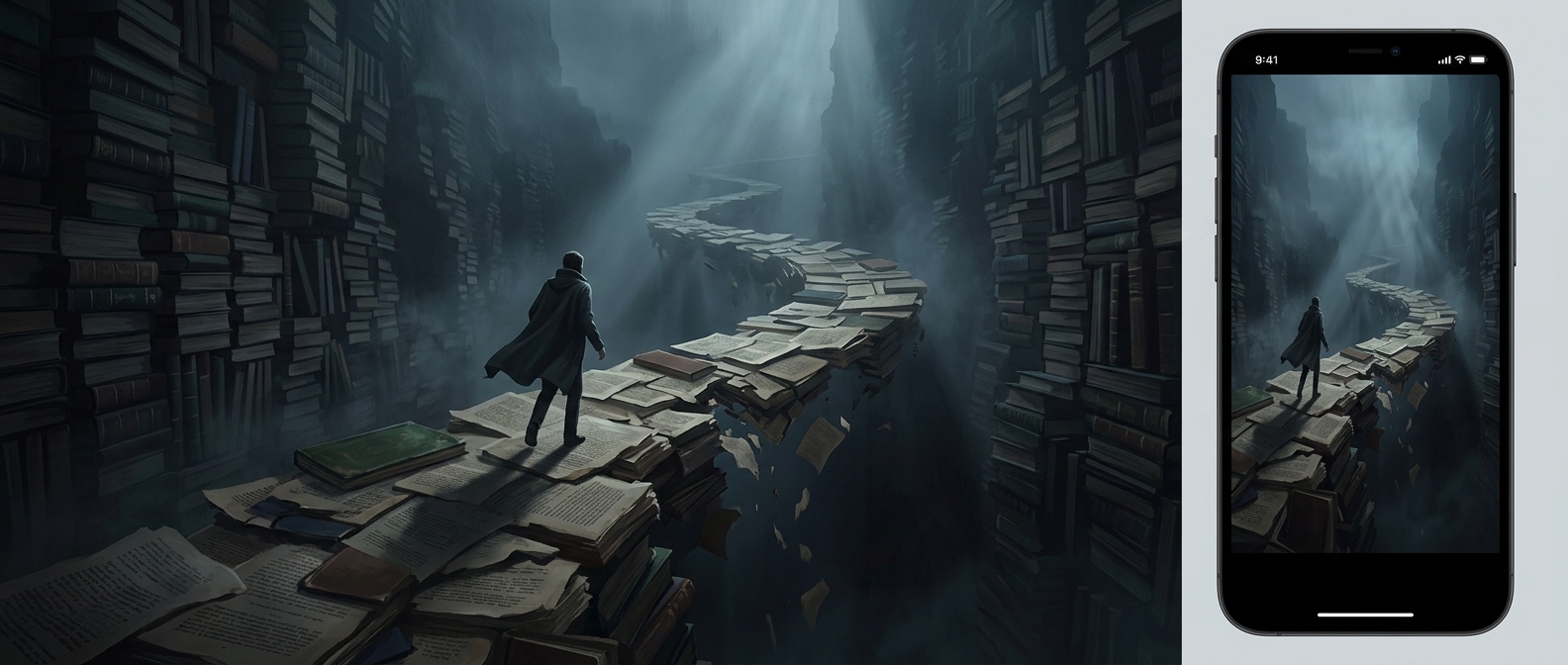
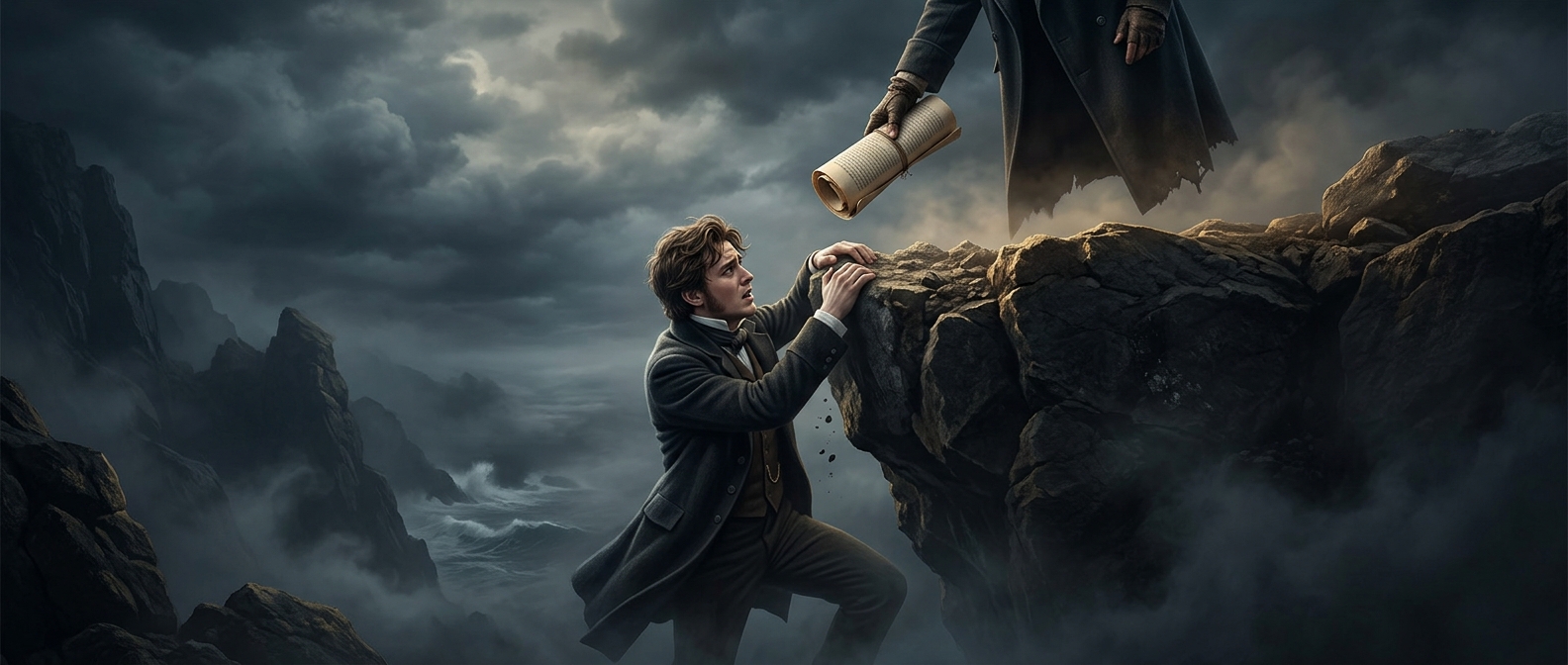
In Thomas Hardy’s A Pair of Blue Eyes, a character ends up clinging to a cliff face. The danger is physical, but the scene also solves a problem every serial storyteller faced: how to make readers eager for the next installment. Instead of closing a chapter after the danger had passed, Hardy left the outcome unresolved.
That pause transformed a natural break in publication into part of the drama. Readers had to wait to learn whether the character would escape—a wait that could last until the next installment arrived.
Why the predicament worked
Serialized fiction reached readers in portions rather than all at once, so each installment needed to hold attention between appearances. A perilous situation made that gap feel consequential: the story stopped at the moment when readers most wanted it to continue. The physical cliff supplied a vivid image for the suspense created by the publishing schedule.
Hardy’s scene helped popularize this kind of ending. The modern word cliffhanger captures both halves of the device: someone literally hanging over a drop, and an audience left hanging for an answer.
From literal peril to any unresolved ending
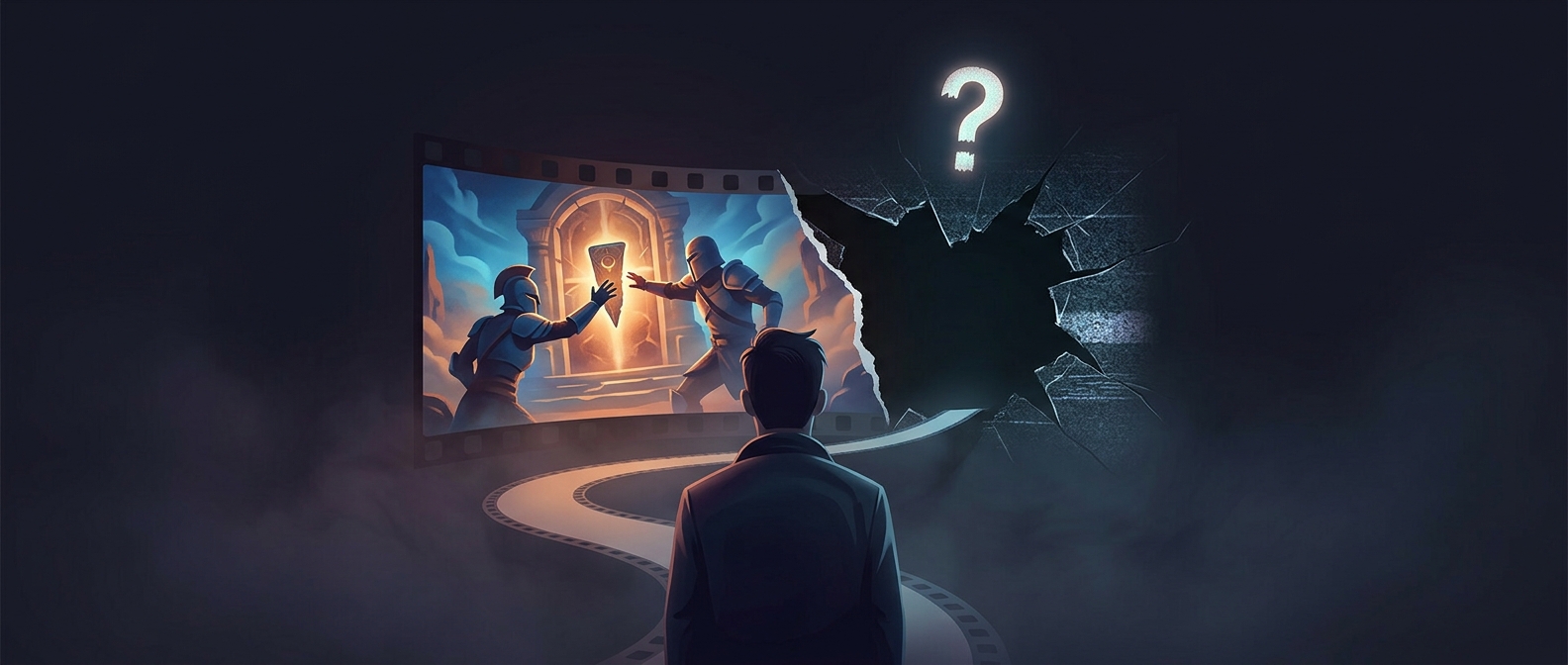
The technique does not require a cliff—or even physical danger. A chapter, episode, or film can leave a character’s fate uncertain, reveal a startling piece of information, or interrupt a decision at its most tense point. The essential move is the same: stop before the consequence arrives.
That is why the term outgrew Hardy’s particular scene. A literal grip on a cliff became a name for the moment a story makes its audience wait.