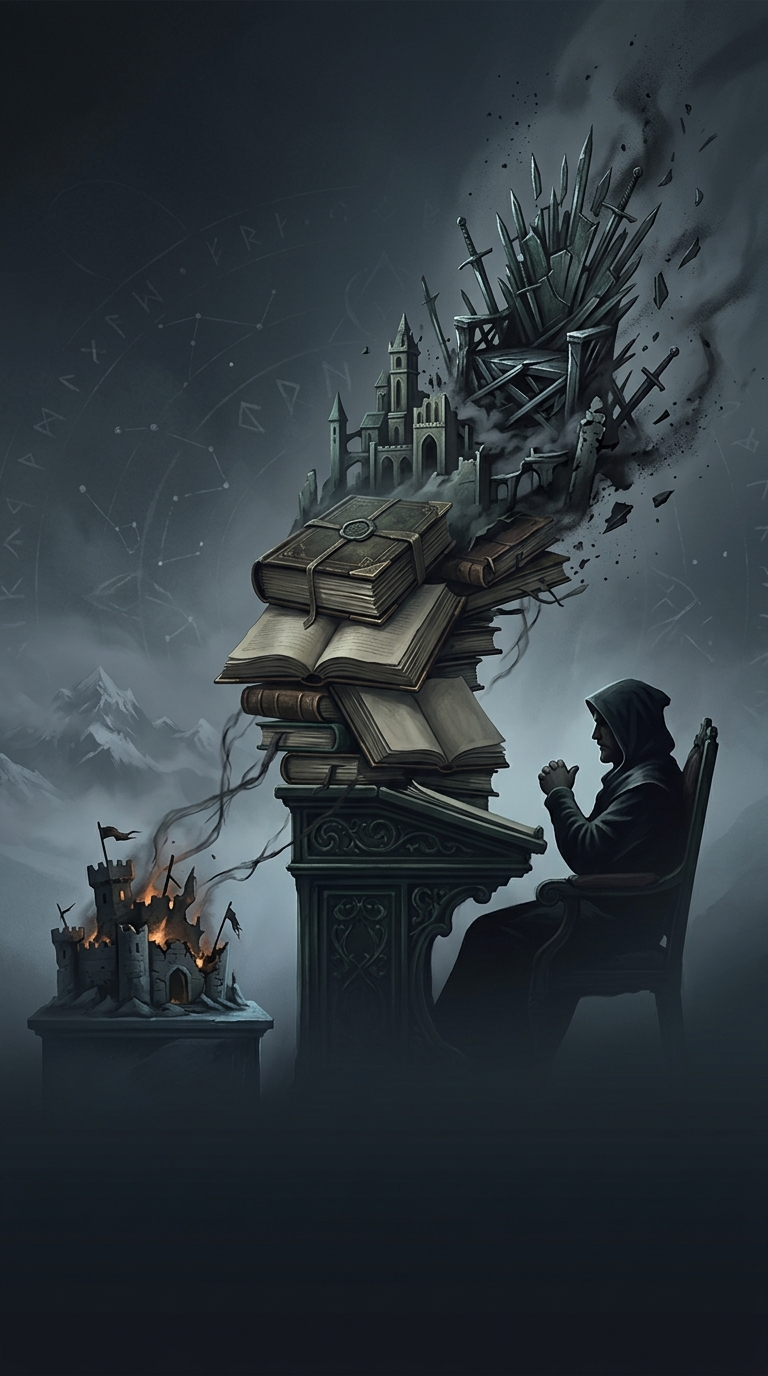
How Game of Thrones Reached Its Ending Before the Books Did
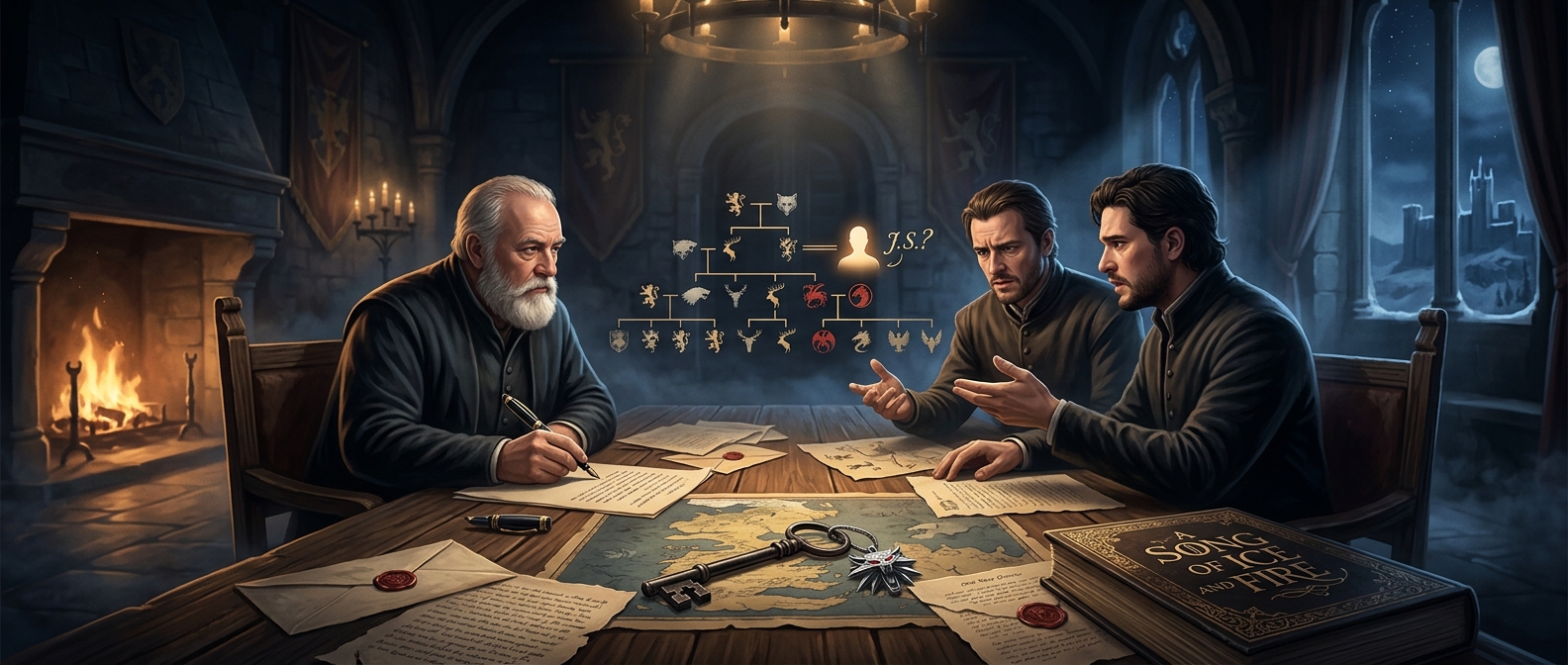
The television series did not wait for George R. R. Martin to finish the novels. When HBO’s adaptation began, Martin had published five books in A Song of Ice and Fire, while the story was still unfinished. The show initially drew heavily on those books, but its production moved faster than Martin’s writing. Eventually, the television writers had to carry the plot beyond the material available in print.
That was a practical turning point, not evidence that Martin deliberately held back the books to sabotage the show’s ending. Martin discussed major story developments with the showrunners, David Benioff and D. B. Weiss, but the series had to turn broad story direction into scenes, pacing, and a conclusion suited to television. The books, if completed, would tell the story in a different form and with room for details and character arcs the show had cut or changed.
One Story, Two Different Endings in Practice
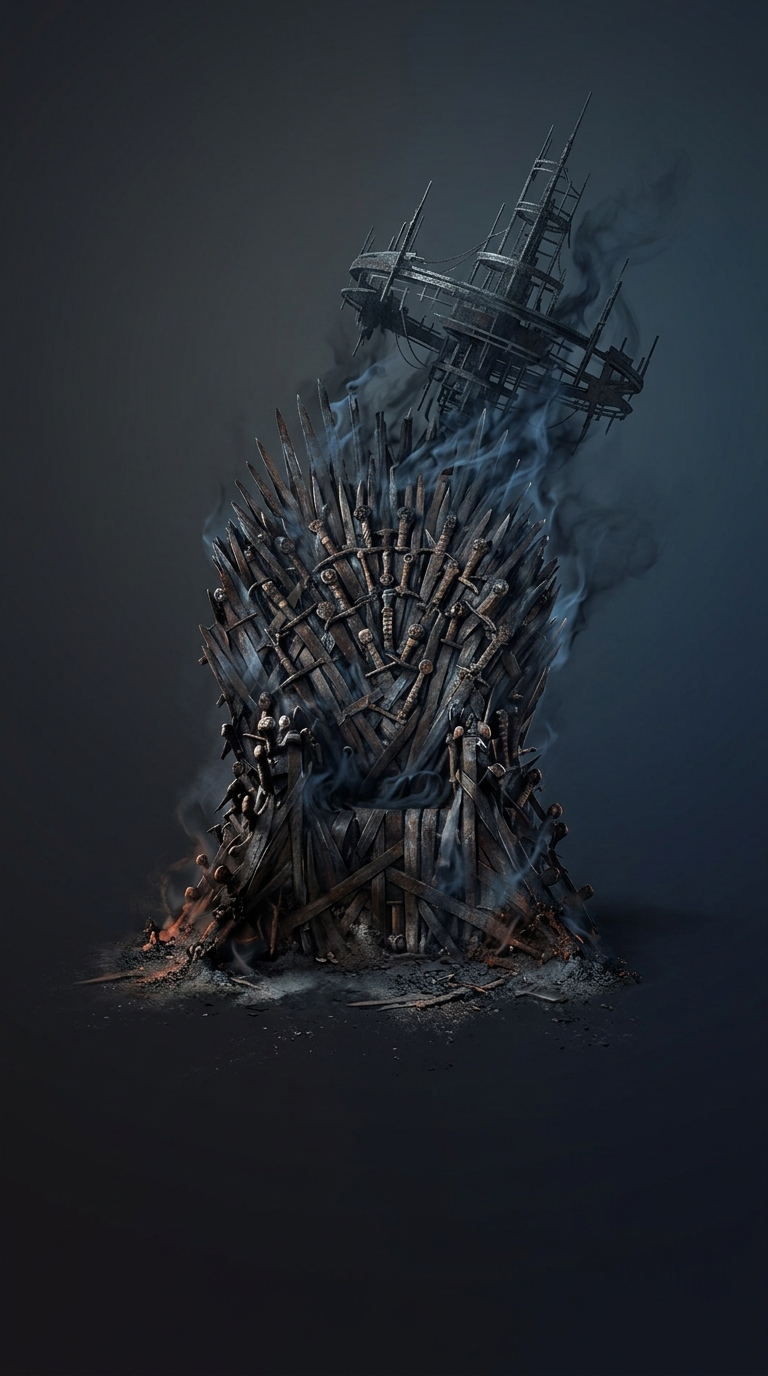
The show’s final season became controversial partly because television compressed developments that had unfolded more gradually in the novels—or had not yet appeared there at all. With fewer episodes and no finished books to adapt, the series had to resolve a sprawling cast of conflicts on its own schedule. That made the ending feel abrupt to many viewers, even though its broad destination may have come from Martin’s story discussions.
The distinction matters: the TV finale is the ending of the adaptation, not a published version of the novels’ conclusion. Martin’s final books remain unfinished, so readers still do not have the full literary route—or confirmation that every outcome will match what appeared on screen. The same endpoint can land differently when a story earns it through hundreds of pages rather than a handful of episodes.