Why the Vampire Stayed Out of the Classroom
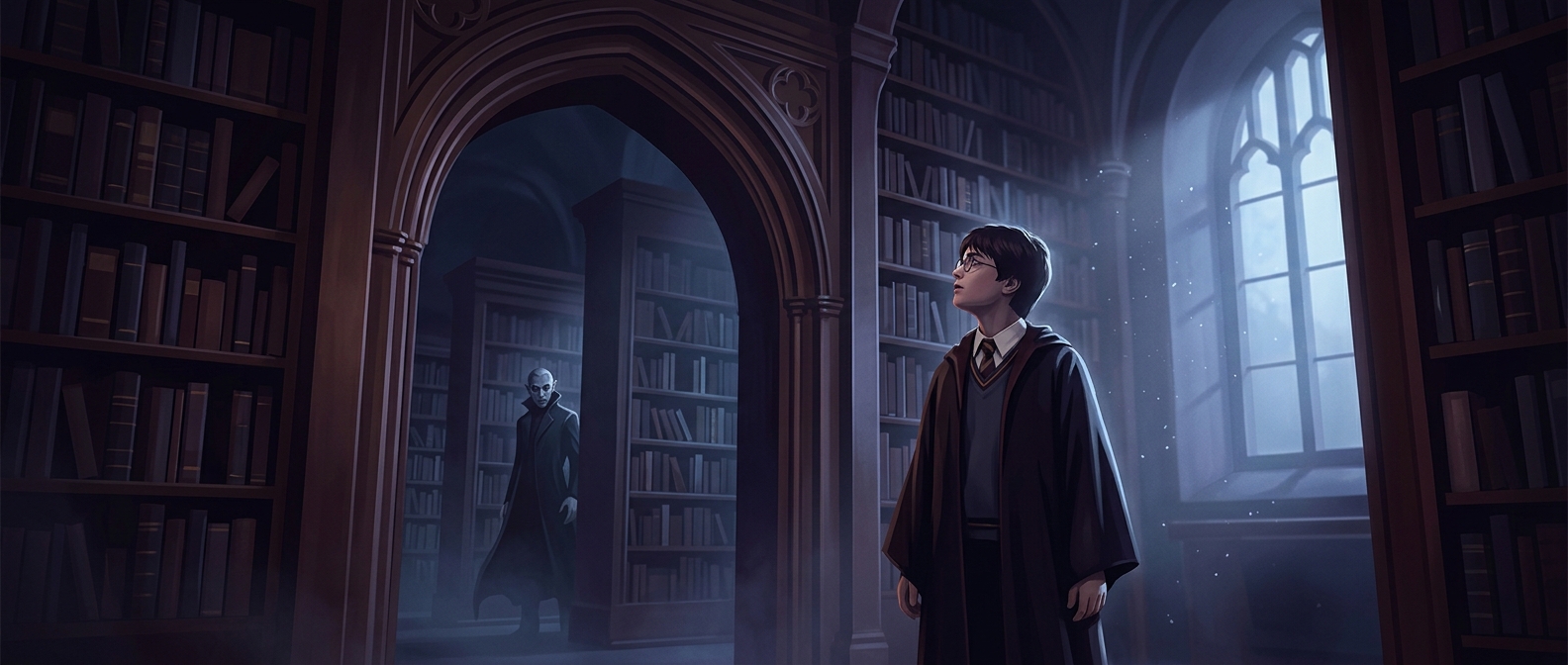
A professor who was secretly a vampire could have added a new kind of mystery to the school: not just what the teacher knew, but what the teacher was. Yet a supernatural trait becomes more than a character detail once it affects how someone behaves, what students notice, and what the story must explain.
That is the hidden cost of adding a creature to a crowded fantasy world. Readers may expect the story to establish how vampirism works and whether it matters to the plot. Even a sleepy, low-key vampire could pull attention toward those questions, away from the school’s existing emergencies and eccentricities.
A Choice About Story Space
The idea’s rejection was less about whether a vampire could fit the setting than about how much room the story had to give it. A school already full of magical rules and unpredictable teenagers can generate conflict without adding another supernatural system for readers to track.
Leaving the professor ordinary in that respect keeps the school’s chaos in the foreground. The unused vampire is a reminder that world-building is not simply a matter of adding every appealing idea; each addition competes for the reader’s attention.