Why a Hairline Can Make a Wax Figure Feel Alive
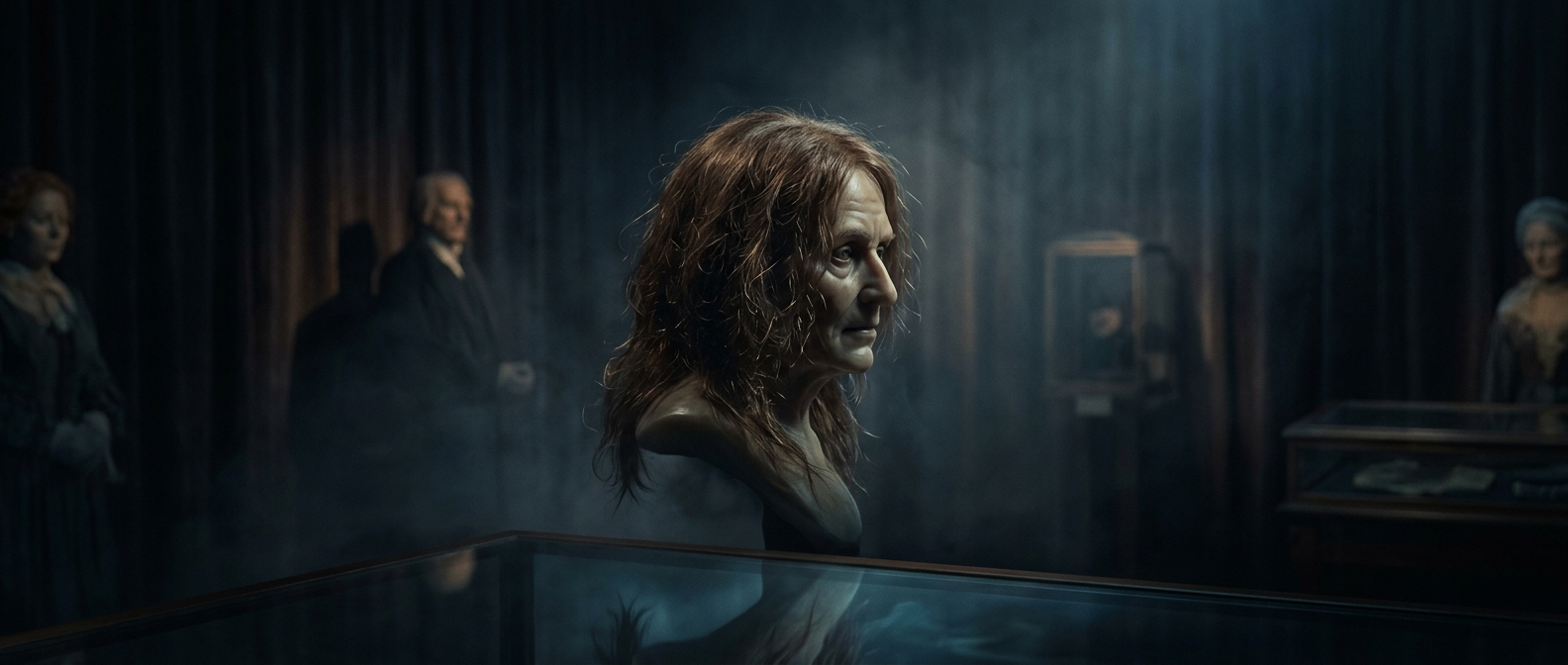
A face can be carefully sculpted and still look like a mask if the hairline is too regular. Real hair brings small variations in color, thickness, and direction that molded wax cannot easily reproduce. Those details matter most around the temples and forehead, where a perfectly even edge can make a figure look artificial.
To create a natural effect, artisans place strands individually into the scalp, controlling where they emerge and how they lie. The work allows them to build a part, soften the hairline, or create the uneven outline people recognize in real hair. It is a painstaking contrast to the figure’s solid wax surface: instead of shaping one continuous material, the maker adds many separate fibers.
The Hair Helps the Figure Hold Its Character
Real hair also gives the finished figure a practical range of styles. It can be combed and arranged, so the hairstyle becomes part of the likeness rather than a fixed shape sculpted into the head. That matters because a familiar part, fringe, or silhouette may be as recognizable as the contours of a face.
The strands are ethically sourced, but they are still a material that must be handled with care. A figure’s hair can be adjusted during display and maintenance, while its placement preserves the choices made by the artisans. Up close, the effect depends on thousands of tiny decisions; from across the room, those decisions add up to a person-shaped detail visitors may accept without noticing why it feels convincing.**