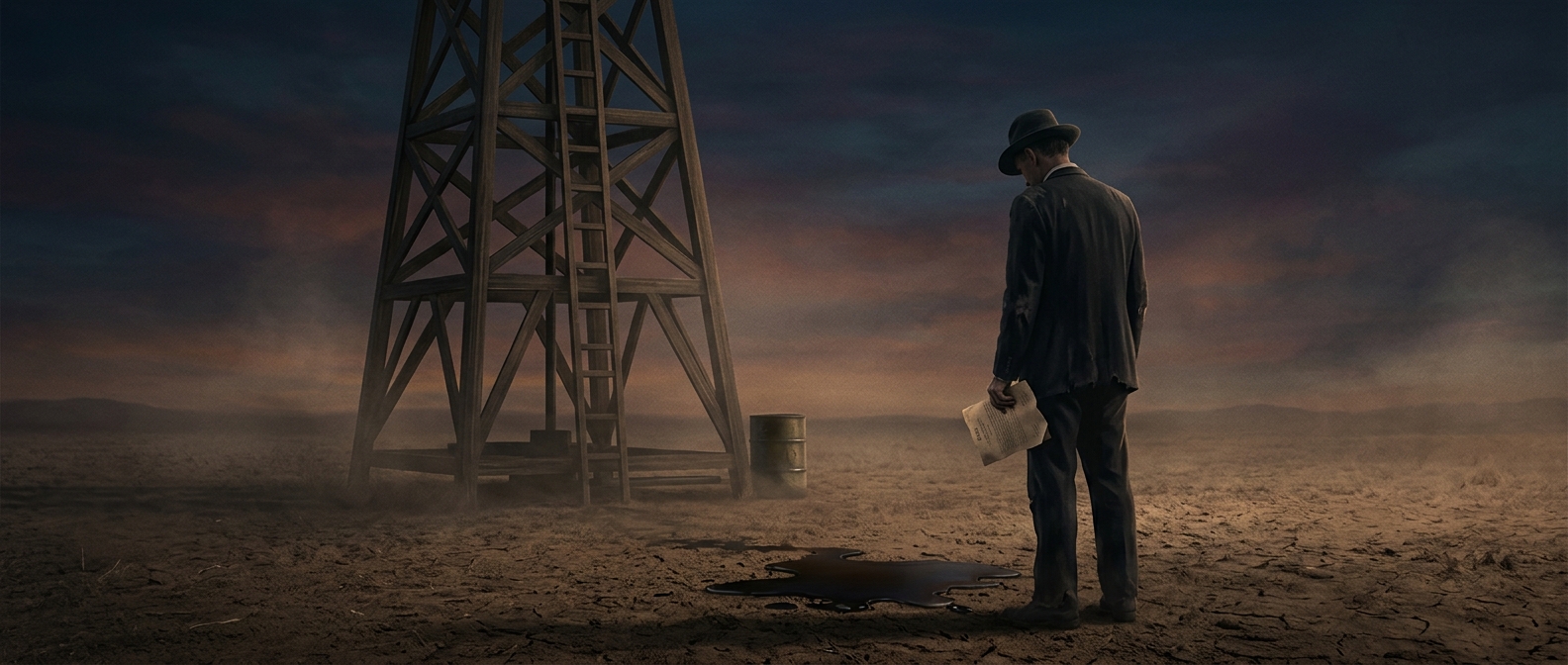
Psychic insight met the limits of oil drilling
Edgar Cayce’s reputation rested on claims that he could obtain information in psychic trances. But finding oil is not simply a matter of naming a promising place: drillers must reach underground rock formations where oil has collected in amounts that can be extracted. That usually calls for geological evidence about the layers and structures beneath the surface.
Cayce directed drilling in Texas, but the wells came up dry. A prediction, however confidently made, could not substitute for a productive underground reservoir.
A costly test of a claim
Oil exploration turns an idea about what lies underground into an expensive physical test. Each well must be drilled before its result is known, and a dry hole can leave investors with costs but no saleable oil. With multiple wells failing, Cayce’s company had no discovery to sustain it and went bankrupt.
The episode is striking because the claim was testable: the drill either reached oil or it did not. In this venture, the ground—not Cayce’s supposed psychic ability—delivered the answer.