A character who fell beneath the aiming system
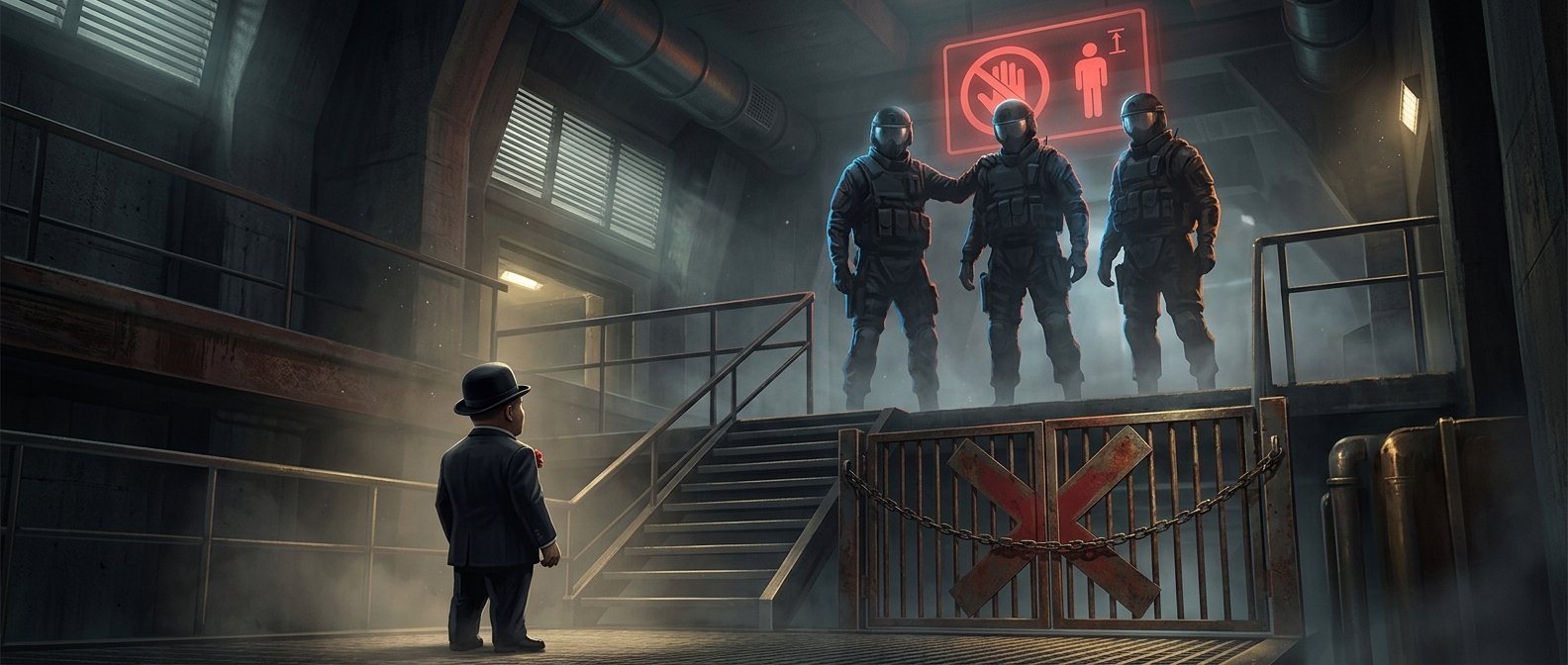
GoldenEye’s multiplayer was built around fast aiming, and its auto-aim could help steer shots toward an opponent. But that assistance depended on where the game expected a target to be. Oddjob’s unusually short model sat lower on the screen than the characters the aiming system handled comfortably, so auto-aim could direct fire above him.
That mismatch mattered most in a game where players often reacted quickly rather than carefully lining up every shot. Aiming manually could correct for Oddjob’s height, but it asked opponents to notice the problem and adjust while under fire. Against someone using auto-aim, he could therefore be harder to hit for reasons unrelated to tactical skill.
Why players made their own rule
GoldenEye did not need a special in-game ban for Oddjob to become unwelcome. In local multiplayer, players could simply agree not to select him. That house rule was a practical way to keep matches from turning on a character-specific advantage that the game’s targeting system had not balanced away.
The episode shows how a small difference in character design can become a large competitive difference when it interacts with a core mechanic. Oddjob’s height was not just visual flavor: it changed where opponents’ shots went, making a quick character-select choice part of the match’s fairness debate.