Why a Wide Road Can Feel Safe at a Higher Speed
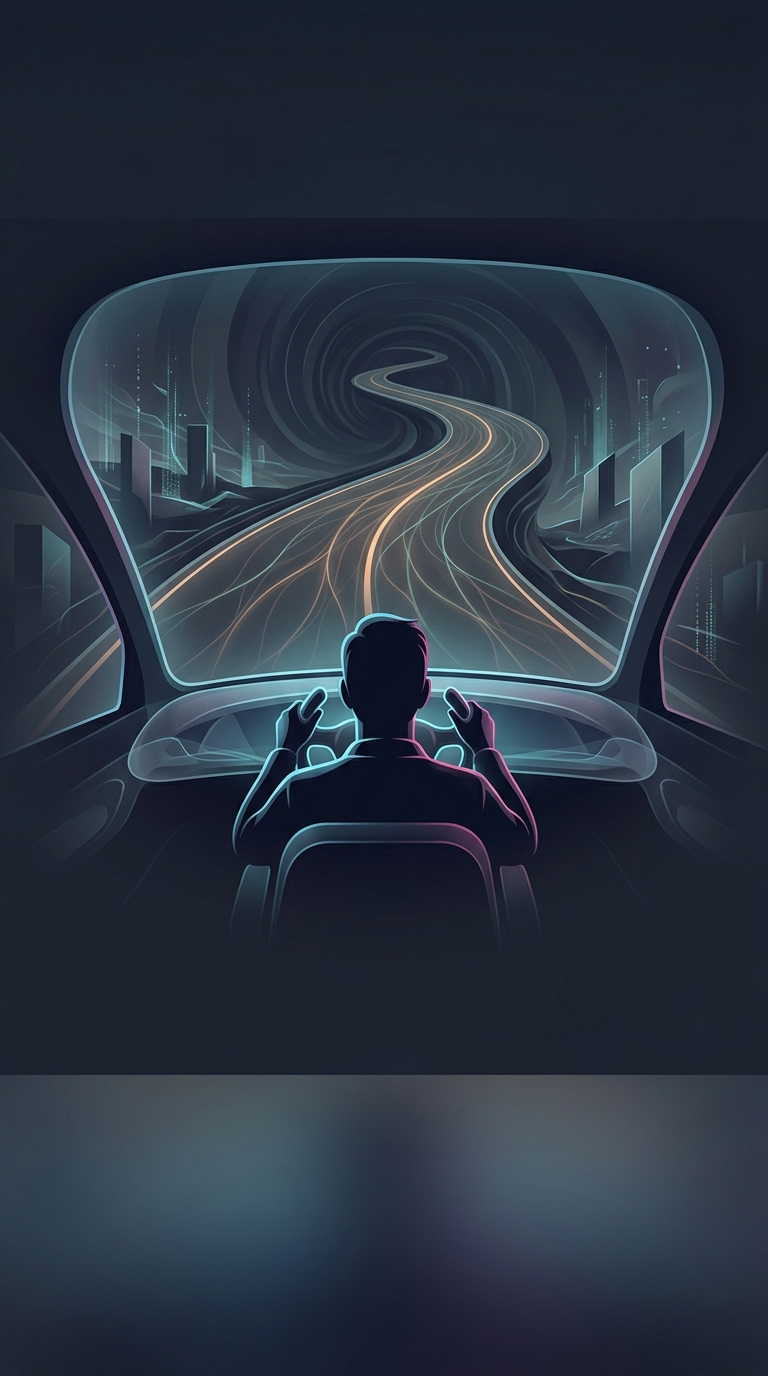
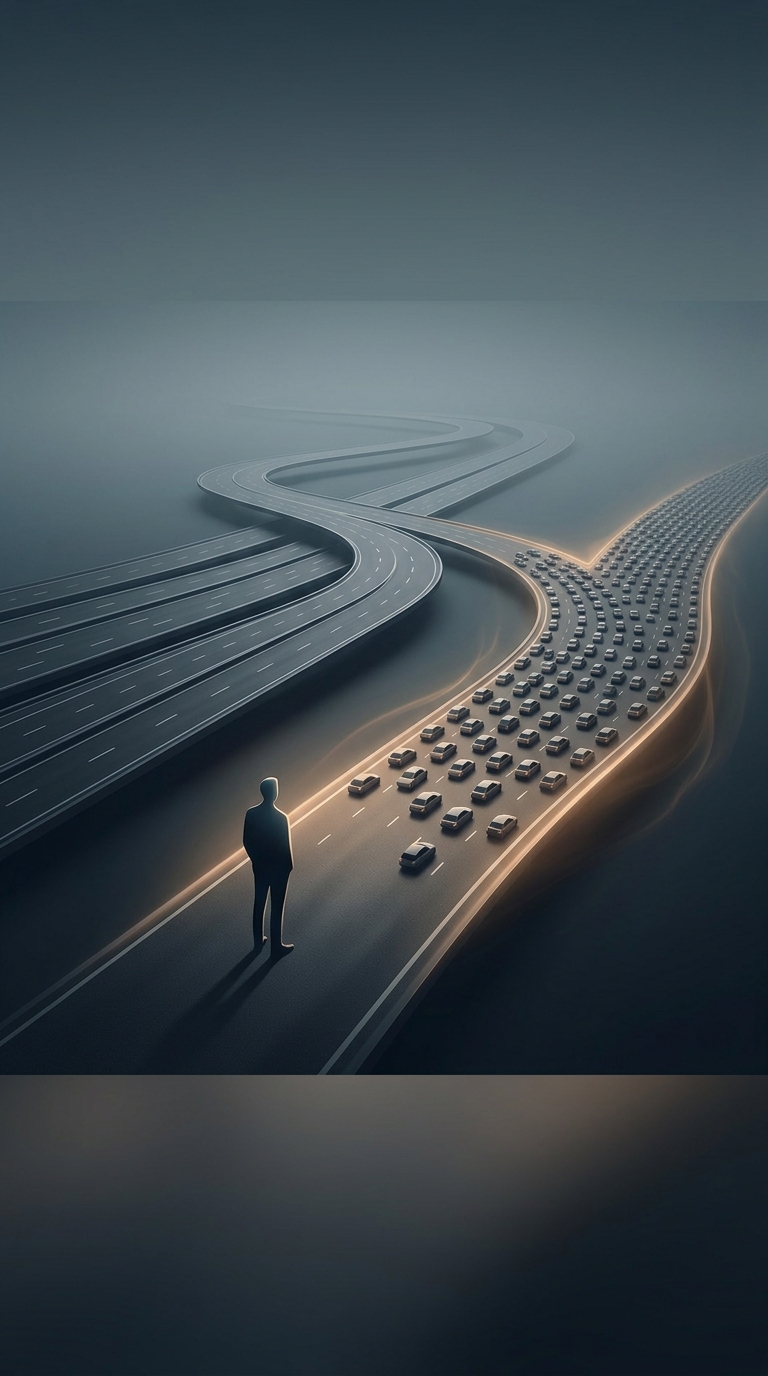
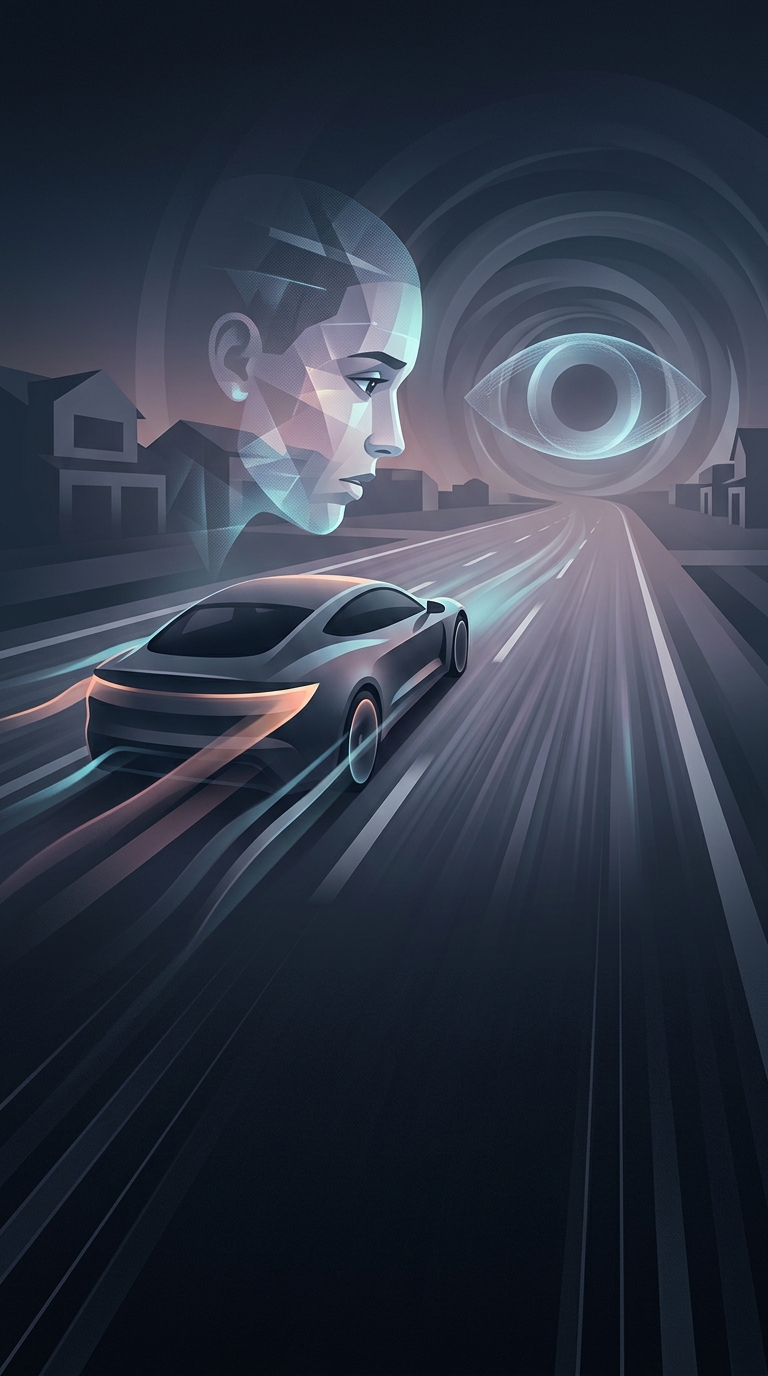
Drivers do not judge speed from a sign alone. They also read the road around them: how much room there is, how sharply it bends, how close obstacles seem, and how quickly the scene appears to move past the windshield. A broad, straight street gives few cues that speed should be low. With distant sightlines and generous space beside the car, a pace that would feel alarming on a narrow street can seem ordinary.
That feeling is partly about perceived risk. Curves, parked cars, trees close to the curb, and frequent intersections demand attention and signal that mistakes could have immediate consequences. When those features are absent or set far back, the road can feel forgiving—even if people, driveways, or cross traffic still make high speeds dangerous.
Design Cues Can Outweigh the Sign
A posted speed limit is a rule, but the street’s physical design is a constant visual message. If a sign calls for a modest speed while the roadway looks like a fast through-route, drivers receive conflicting cues. Many will unconsciously choose a pace that feels comfortable for the space, rather than continually recalibrating to the number on the sign.
This is why traffic engineers distinguish the legal limit from the speed a road’s design tends to invite. Wider lanes and open edges can make drivers feel they have more margin for error; long, uninterrupted stretches also reduce the need to slow for turns or changing conditions. The same features can make it easier to see ahead, but visibility does not remove the danger of a person or vehicle entering the road.
The Street Teaches Drivers How to Drive
Changing signs alone may not change the road’s message. Measures such as narrowing the visual path, adding street trees or curb extensions, and introducing well-designed crossings can make a low-speed setting feel more legible. The goal is not simply to make driving uncomfortable; it is to make the cautious speed feel like the natural one.
A useful consequence follows: speed is shaped not only by what drivers are told, but by what the street makes seem normal.