Why Alcatraz Was Hard to Supply
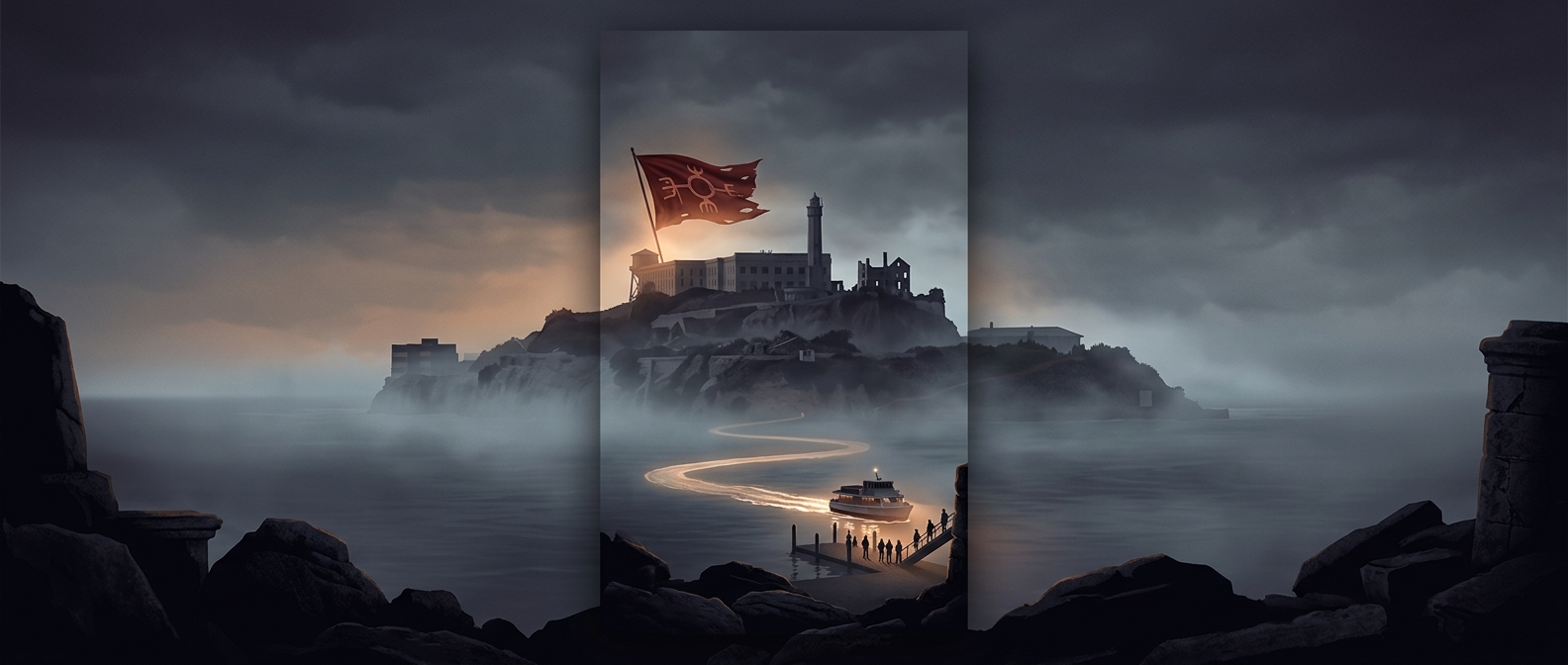
Alcatraz’s isolation was both its best defense and a major operating problem. The island had no dependable source of fresh water, so the prison had to bring in drinking water and other supplies by boat. That meant routine needs—from food to fuel—depended on deliveries crossing San Francisco Bay, adding expense and logistical effort to daily life behind the walls.
The Bay Made Escape a Different Problem
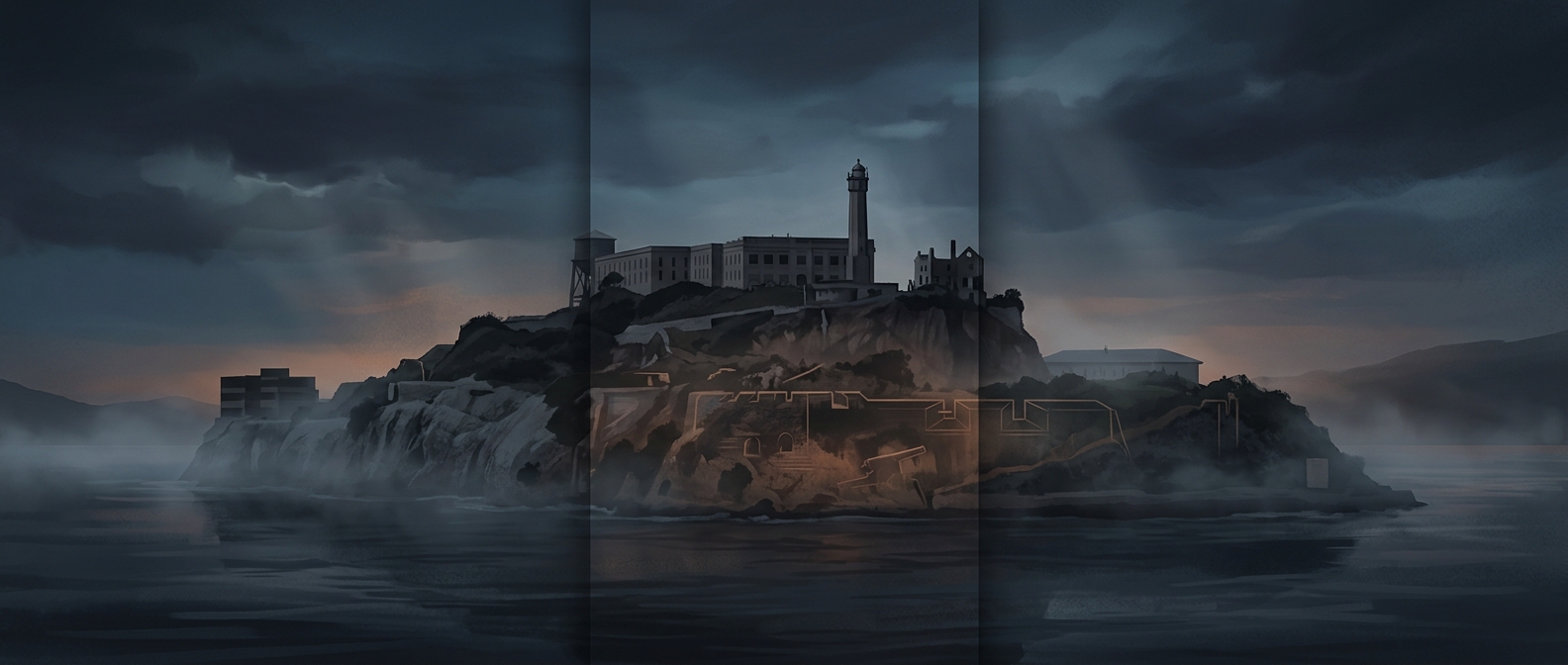
A prison wall can stop someone from walking out; an island adds a stretch of open water. The cold, turbulent bay and strong currents made a swim to shore dangerous, while the distance left escapees exposed and difficult to retrieve. The surrounding water therefore worked alongside guards and barriers: it made getting off the island far harder than simply getting beyond the prison fence.
Isolation Had a Cost
The same geography that made Alcatraz difficult to escape also made it costly to operate. Because supplies and water had to be transported to the island, the prison carried expenses that a land-based facility could avoid. Alcatraz closed as a federal penitentiary in 1963, after decades in which its remote setting served as both its security system and its logistical burden.
The striking tradeoff is that the bay did not need to be crossed by a would-be escapee to matter: every delivery had to cross it, too.