A fortress at the bay’s narrow entrance
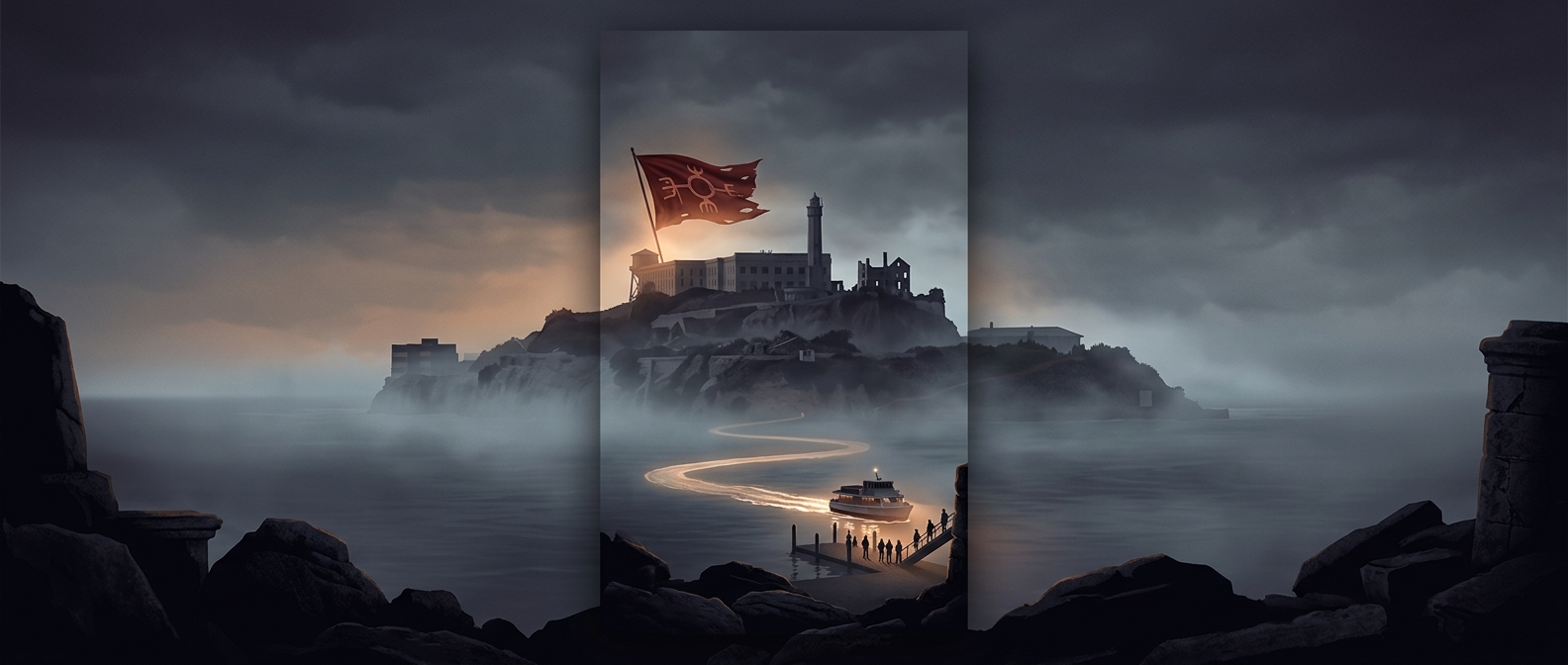
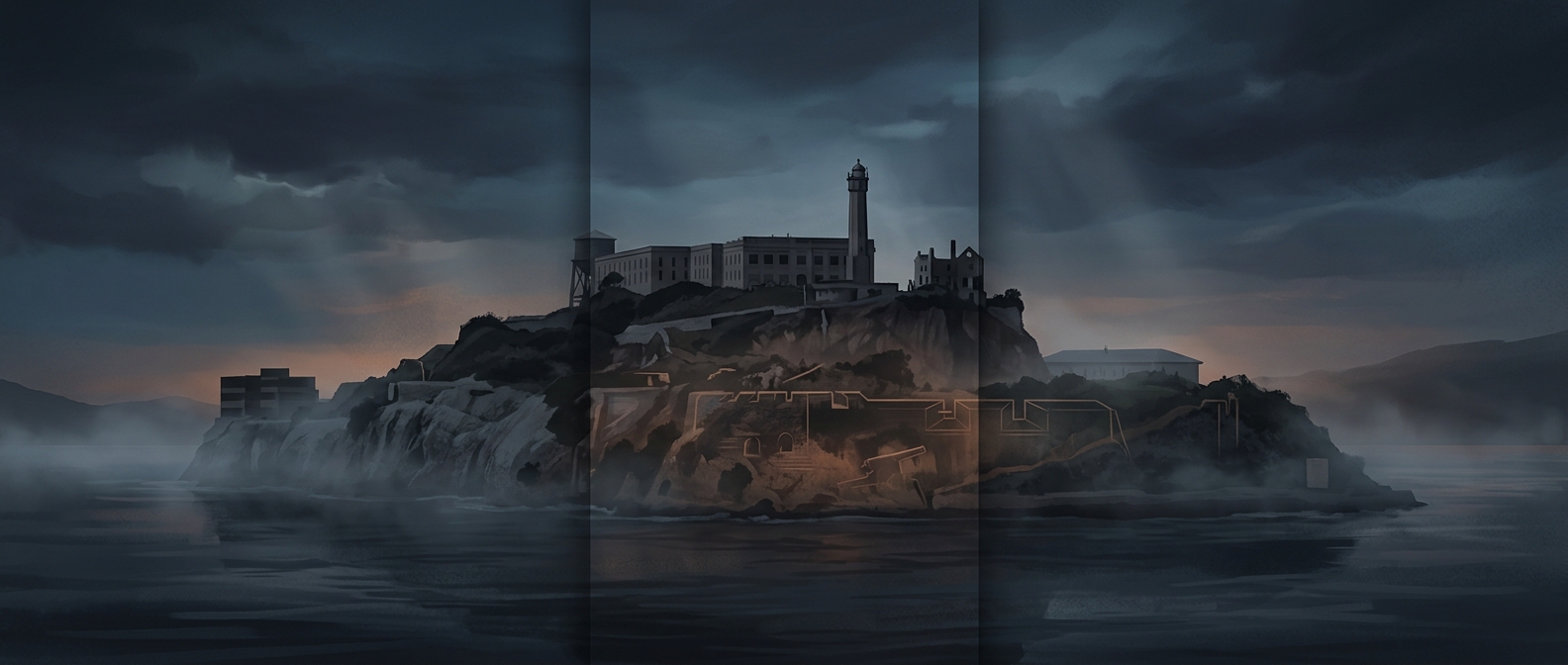
Alcatraz’s first purpose was to help defend San Francisco Bay. In the mid-19th century, the United States fortified the rocky island with heavy guns aimed toward the water. Ships heading for the growing port had to pass through the bay’s entrance, making the island a useful place to watch and, in a crisis, fire on approaching vessels.
The setting did much of the work. Alcatraz sits apart from the mainland, with deep water and strong currents around it. That separation gave artillery crews a clear field of fire and made the island difficult to approach unnoticed. Its isolation, a military advantage, would later become useful for a very different purpose.
From coastal defense to confinement
A fort is built to control a route; a prison is built to control people. Alcatraz’s buildings and island location suited both roles, but the military value of fixed cannons changed as weapons and naval warfare developed. The island could still be put to use even as its original defensive role faded.
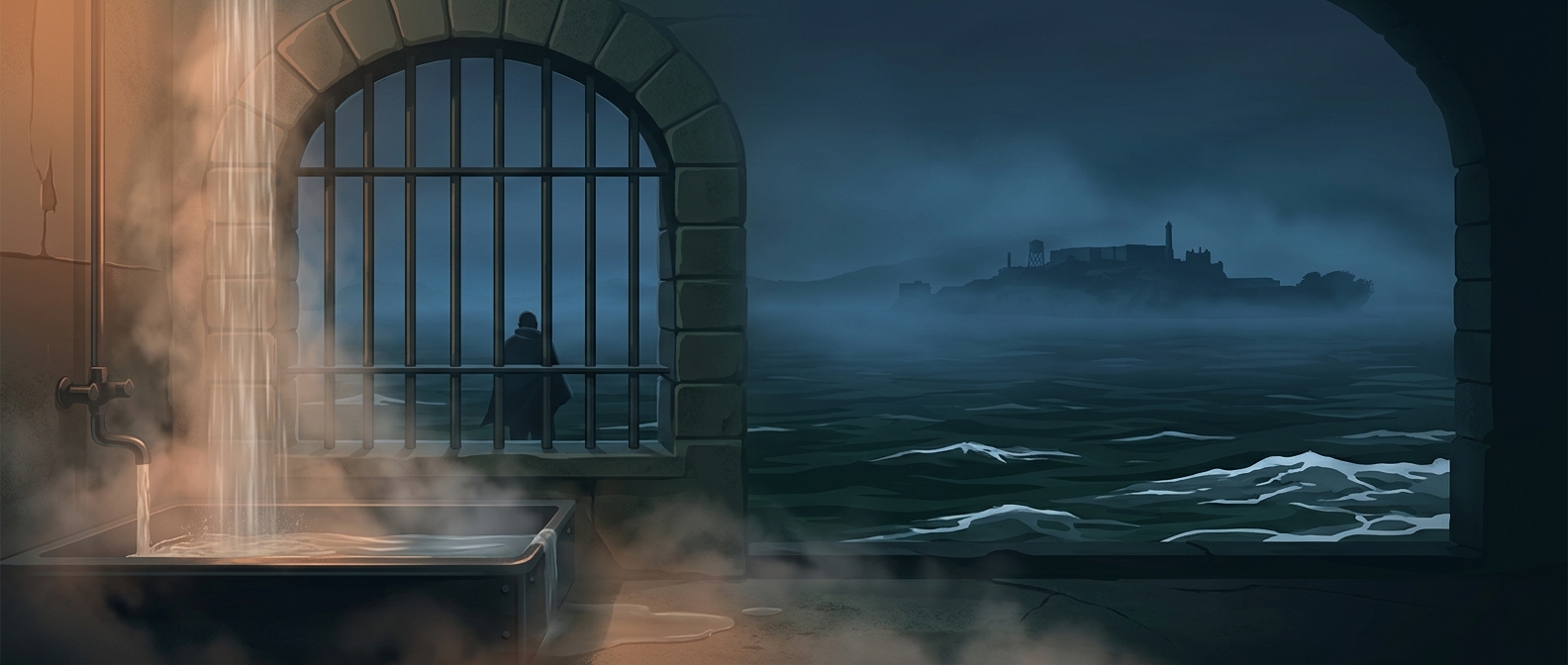
The same water that helped shield the bay also made escape difficult. Once Alcatraz became a place to hold prisoners, its distance from shore and surrounding currents were not incidental scenery: they were part of the security system. The island’s history turned on that practical overlap—first, a barrier to hostile ships; later, a barrier to anyone trying to leave.