Why the Gateway Arch gives a little in the wind
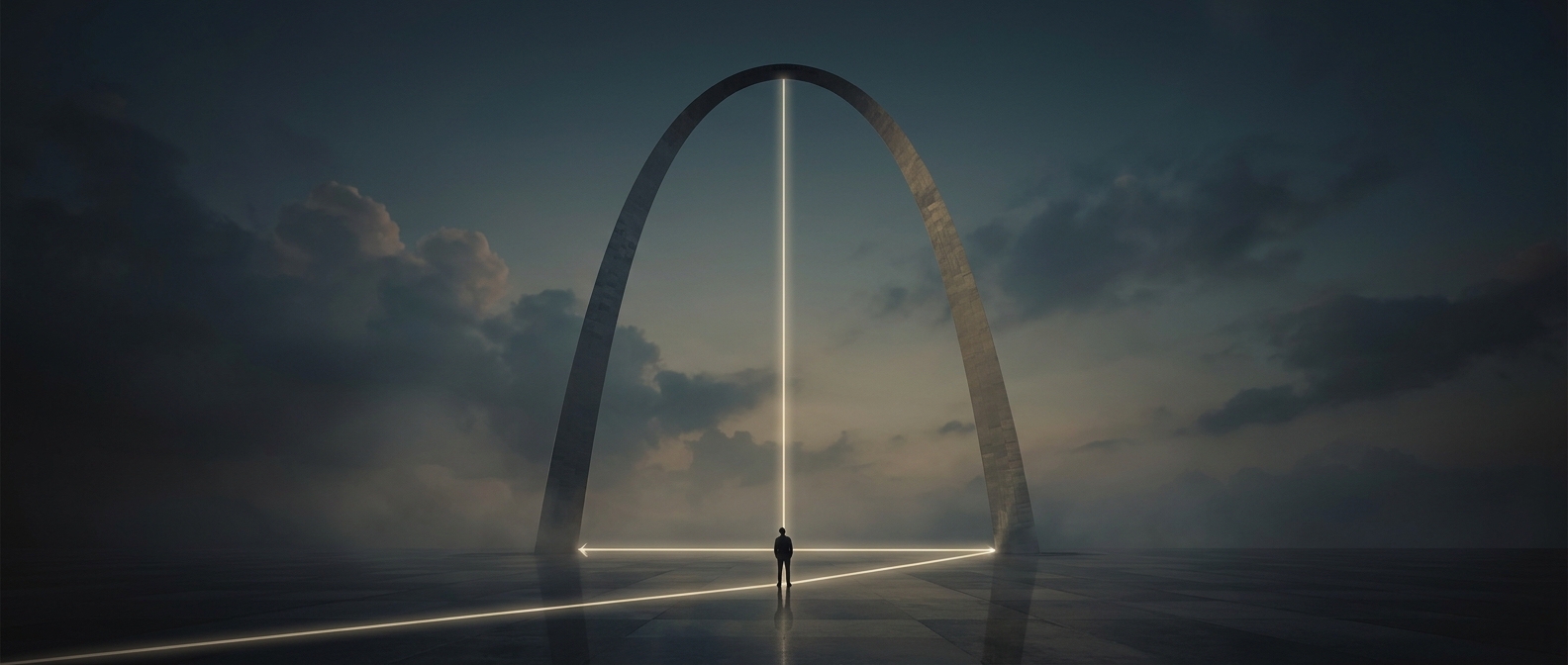
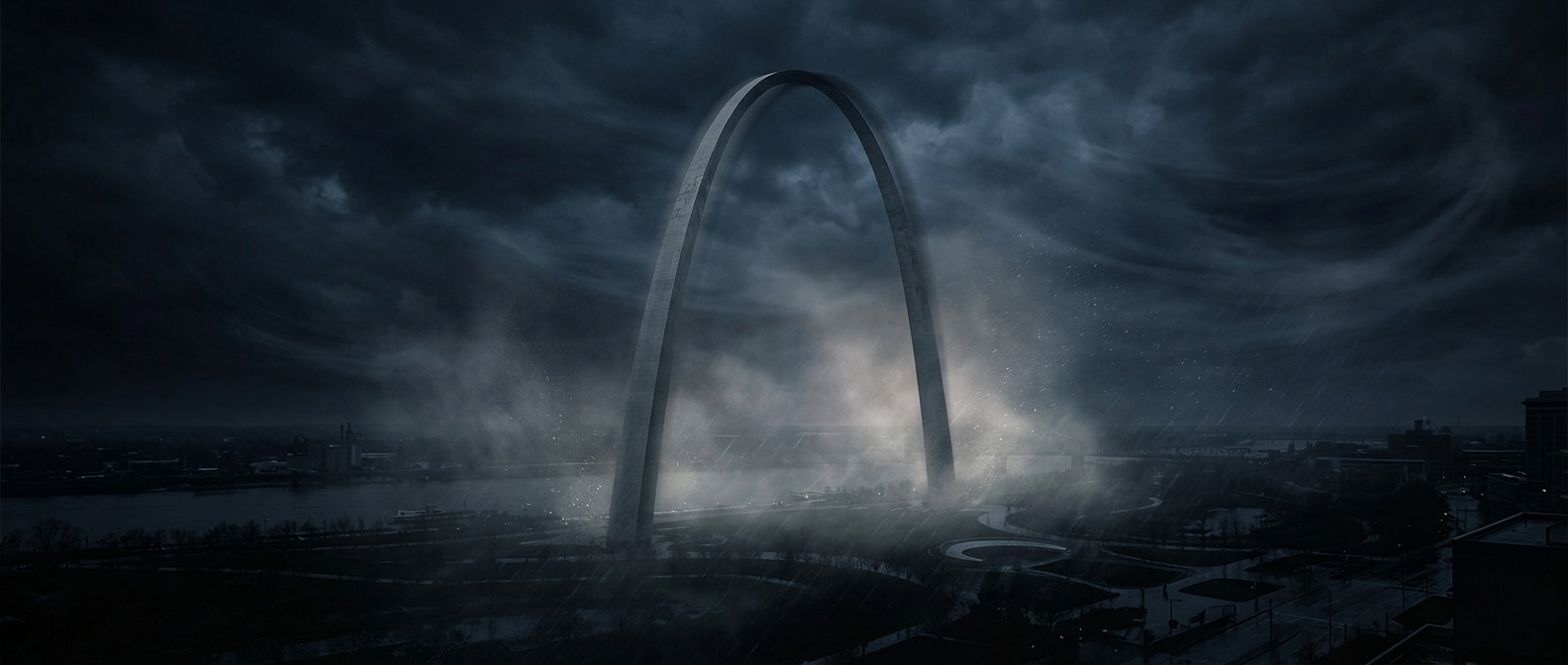
Wind pushes on the Arch’s broad, exposed surface, creating a sideways load that is greatest higher up, where the structure has less support from the ground. Rather than treating the monument as perfectly rigid, its designers accounted for small, reversible changes in shape. The steel can flex under pressure and return toward its resting position when the load eases.
That flexibility is part of how the Arch carries force, not a sign that its sections are coming loose. Its two legs are broad and heavily supported at their bases, then taper as they rise and join at the crown. The resulting shape directs loads down through the legs into their foundations. The structure’s stiffness and its ability to yield slightly work together: it resists wind while avoiding the brittleness of a design that cannot move at all.
A monument built to respond, not stand frozen
The Arch’s curve is based on a catenary—the shape a hanging chain makes under its own weight, turned upside down. That form helps explain why the monument’s mass and supports change along its height. The unusual geometry makes the top look impossibly light, but the structure is engineered as a continuous load-bearing frame.
In a storm, the movement is subtle compared with the Arch’s great height. Its significance is in the design choice: a landmark can remain stable without being motionless. The same controlled flexibility that lets the crown shift slightly helps the monument withstand forces that a rigid structure would have to absorb in a different way.