Neuschwanstein was a stage set in stone
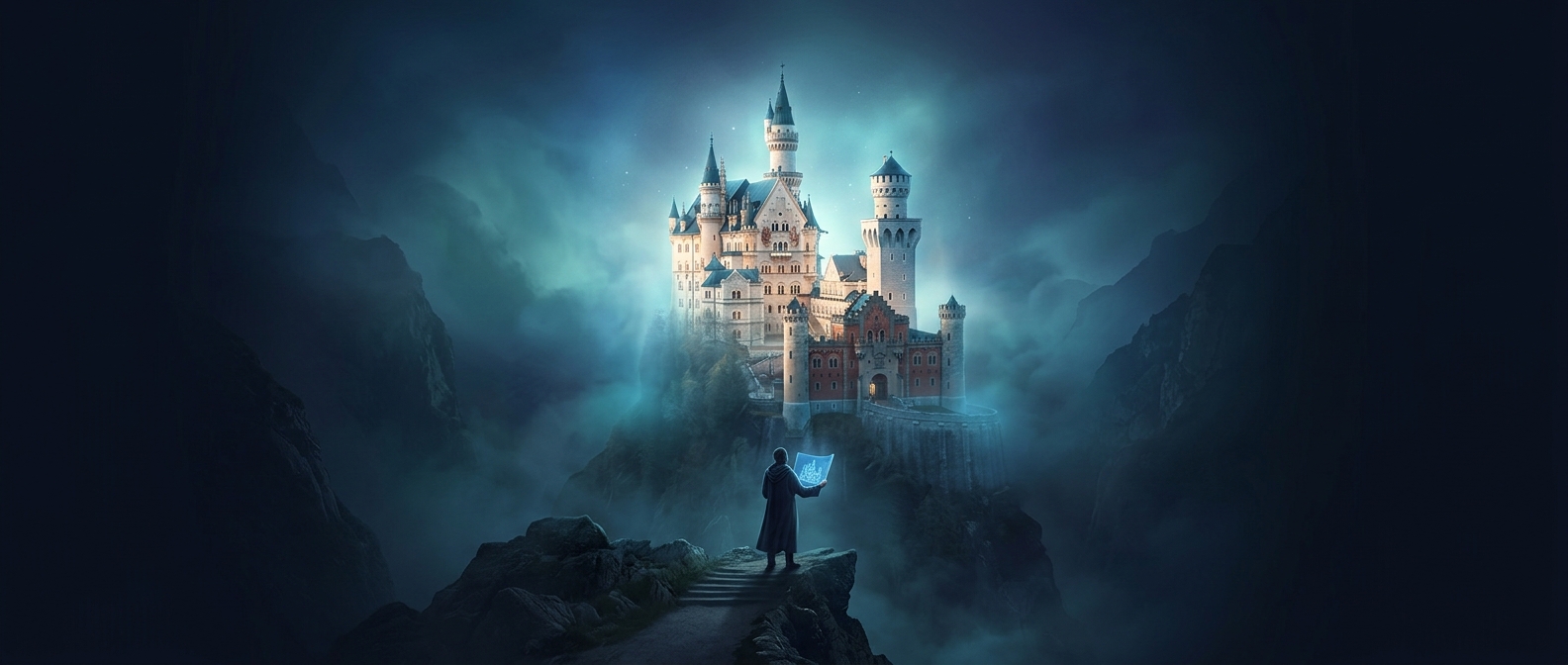
Perched above the Bavarian countryside, Neuschwanstein looks like a fortress from a storybook. Its towers, turrets, and hilltop position suggest a building designed to repel an army. But King Ludwig II wanted a romantic vision of a medieval castle, not a working stronghold. By the time it was built in the 19th century, castles no longer had much military purpose; Neuschwanstein’s old-world appearance was a deliberate architectural choice.
Its defenses were mostly for show
A real defensive castle was shaped around practical problems: controlling approaches, sheltering soldiers, and resisting attack. Neuschwanstein instead made its impression through dramatic silhouettes, elaborate interiors, and rooms inspired by medieval legend and opera. Its elevated site adds to the fortress-like effect, but the palace was planned as a royal retreat, not as a place to withstand a siege.
That distinction helps explain the cost. Ludwig kept expanding his ambitious building plans, and the expense strained his finances. He did not get a completed fairy-tale residence to match the one in his imagination: construction continued after his death, and the palace was never finished as originally envisioned.
The contrast is part of what makes Neuschwanstein so striking. From outside, it promises protection; inside, it reveals a king spending heavily to create an imagined past. Its towers look ready for battle, but their real job was to make the landscape feel like a legend.