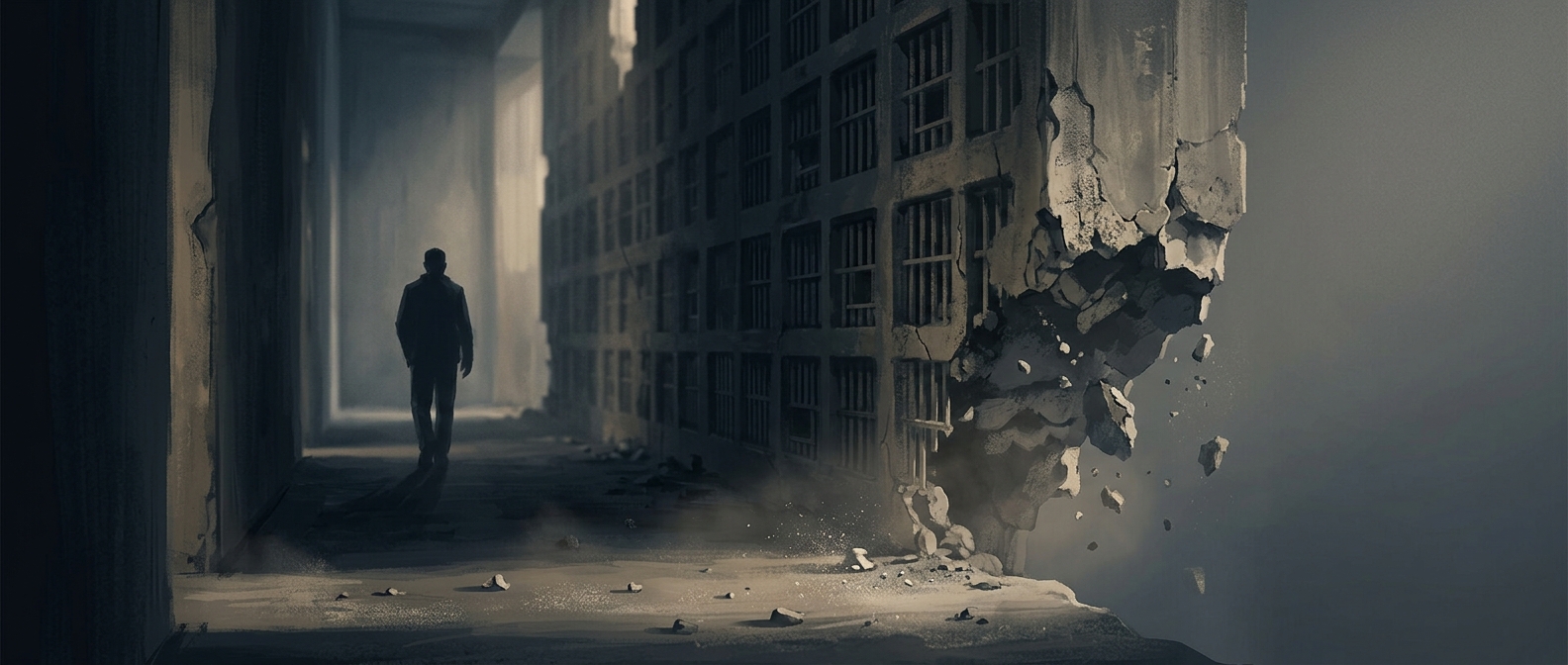
Why the concrete gave way
Alcatraz’s walls were made of reinforced concrete: a hard outer material strengthened by iron bars, or rebar, embedded inside it. In a coastal setting, salt-laden moisture can work its way into concrete’s pores. Chlorides in that moisture reach the iron and encourage it to rust.
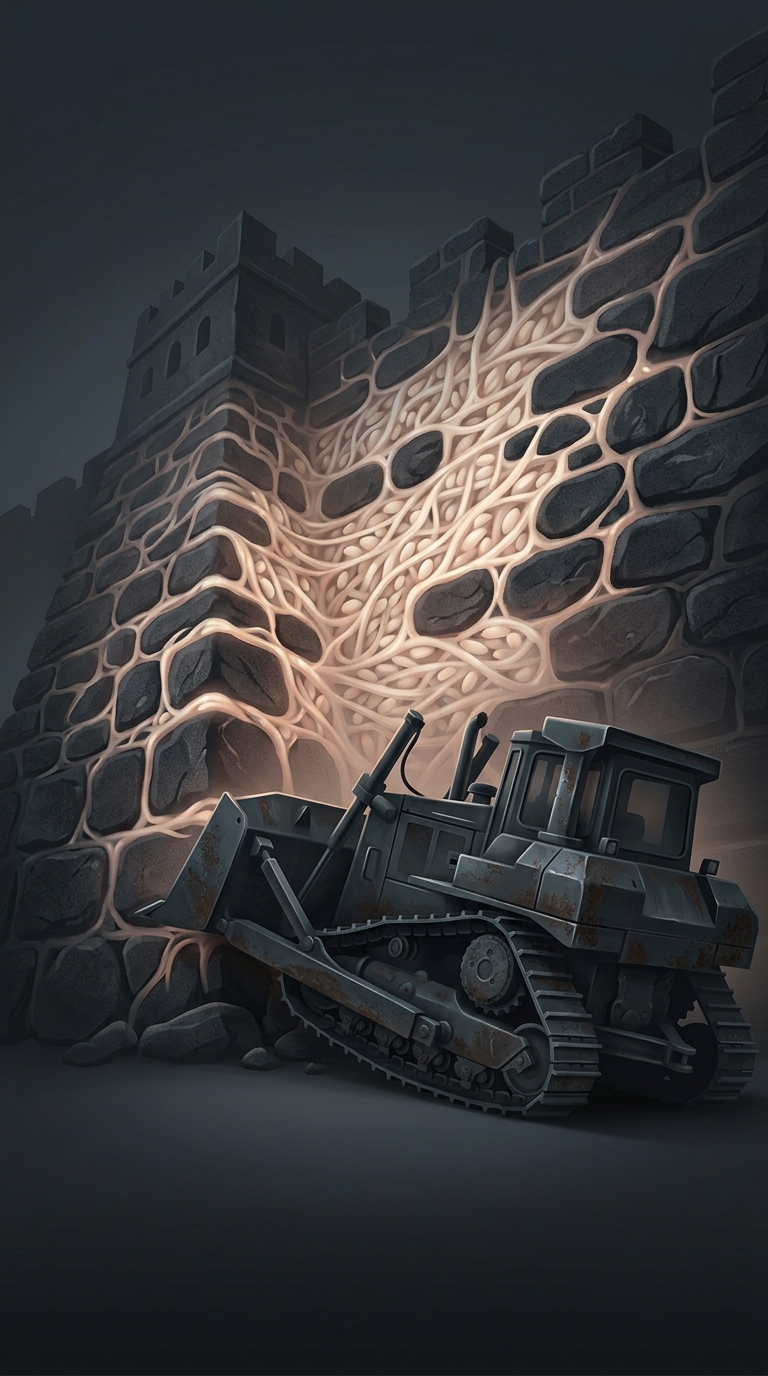
Rust takes up more space than the iron it forms from. As corrosion builds around a rebar bar, it presses outward on the surrounding concrete. The resulting stress can crack the concrete and loosen pieces from the surface—a process called spalling. Once the protective surface is damaged, moisture can penetrate more easily, allowing deterioration to continue.
From structural damage to a makeshift tool
A spoon could not simply cut through sound, intact concrete. But where the material had cracked or loosened, a metal spoon could be used to pick and scrape away weakened bits. That turned corrosion hidden inside the wall into a vulnerability inmates could work at from the surface.
The key was the mismatch between the wall’s intended strength and its local condition: reinforced concrete can be formidable while intact, yet a damaged patch may crumble or flake away by hand. At Alcatraz, the surrounding sea helped create that opening; the stolen spoon made it possible to exploit it.