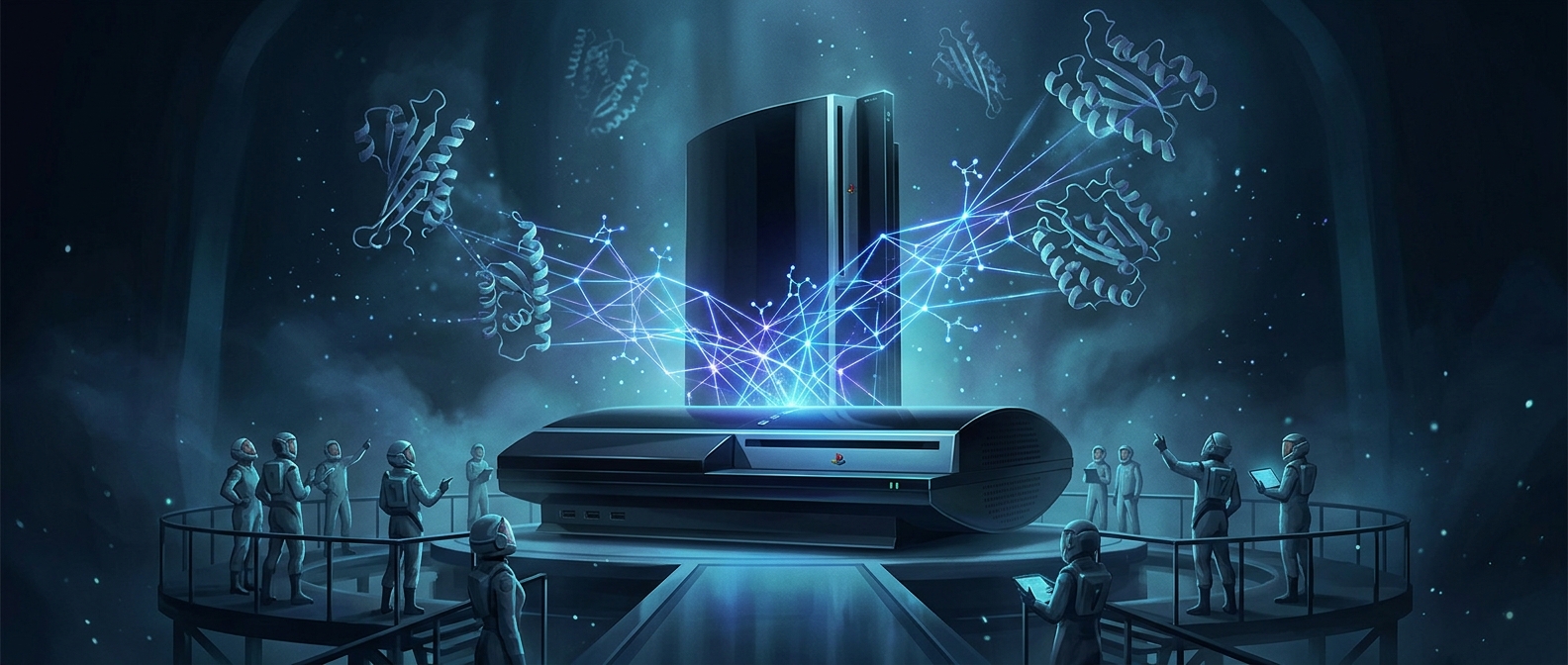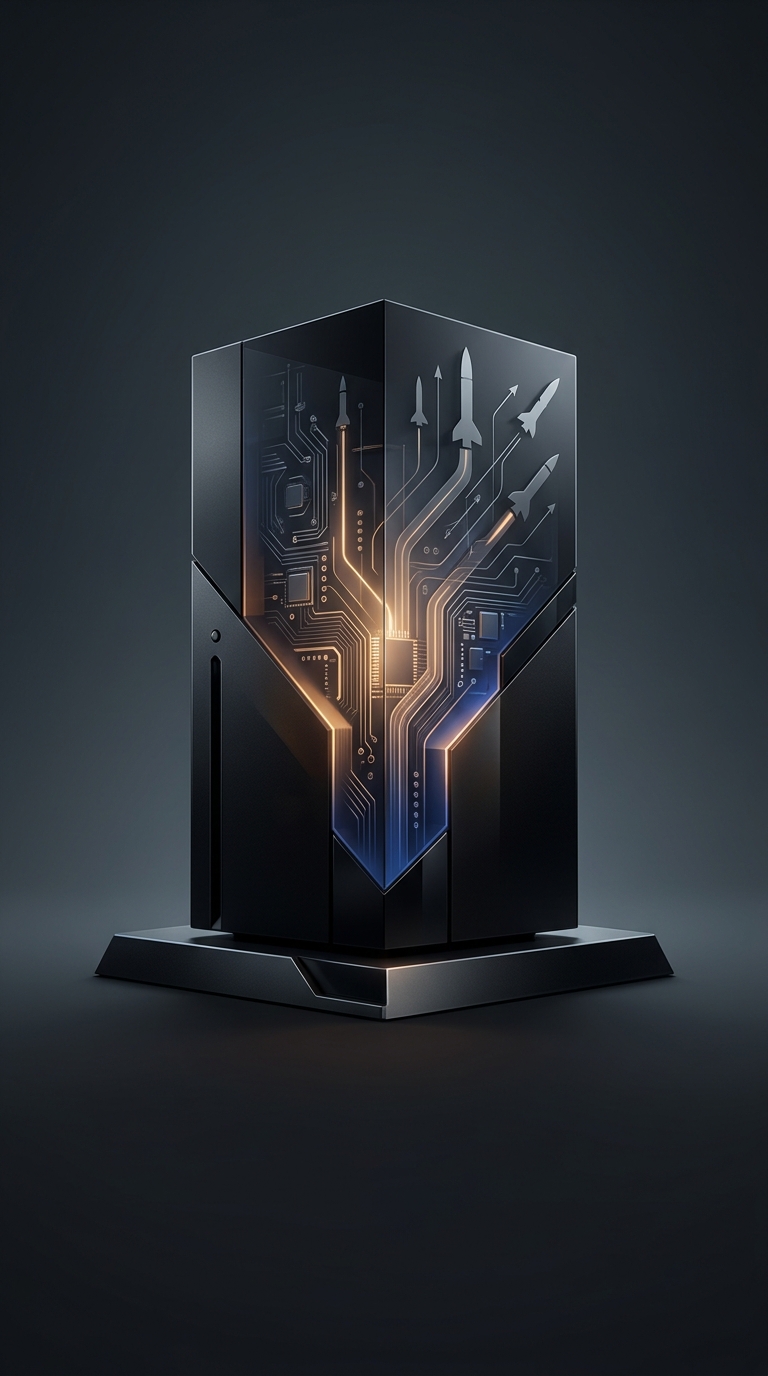
Why a game console drew export scrutiny
The PlayStation 2 was built to render detailed 3-D worlds, but the same broad capability—rapidly processing large amounts of mathematical data—can also matter in military computing. That made some of its hardware a potential dual-use technology: equipment designed for civilian purposes that could, in principle, serve military ones too.
The concern was not that a PS2 contained a ready-made missile guidance system. Guidance requires specialized sensors, software, and control hardware. Rather, officials worried that powerful processors might be adapted as part of a larger system for calculating trajectories or handling other demanding military tasks.
From graphics to computation
The console’s central processor, known as the Emotion Engine, was designed to perform many operations needed for 3-D graphics. Its ability to handle calculations quickly attracted attention beyond gaming. In computing, similar processors can be linked together so that a workload is divided among them; each machine tackles part of the problem, and their results are combined.
That possibility helps explain why export officials might examine a consumer product that looked harmless on store shelves. A device’s intended use does not always define every use its components could support, especially when the hardware is powerful and readily available in quantity.
A possibility is not a weapon
The distinction matters: scrutiny over a component’s potential application does not mean the console itself could steer a missile, or that a military conversion was practical. It reflects a precautionary judgment about what sophisticated computing hardware might contribute to a broader project.
The episode is a reminder that the boundary between entertainment technology and strategic technology can be surprisingly thin. A machine built to make virtual explosions look convincing can attract attention for the calculations happening behind the graphics.