Why flying on Mars required a different kind of helicopter
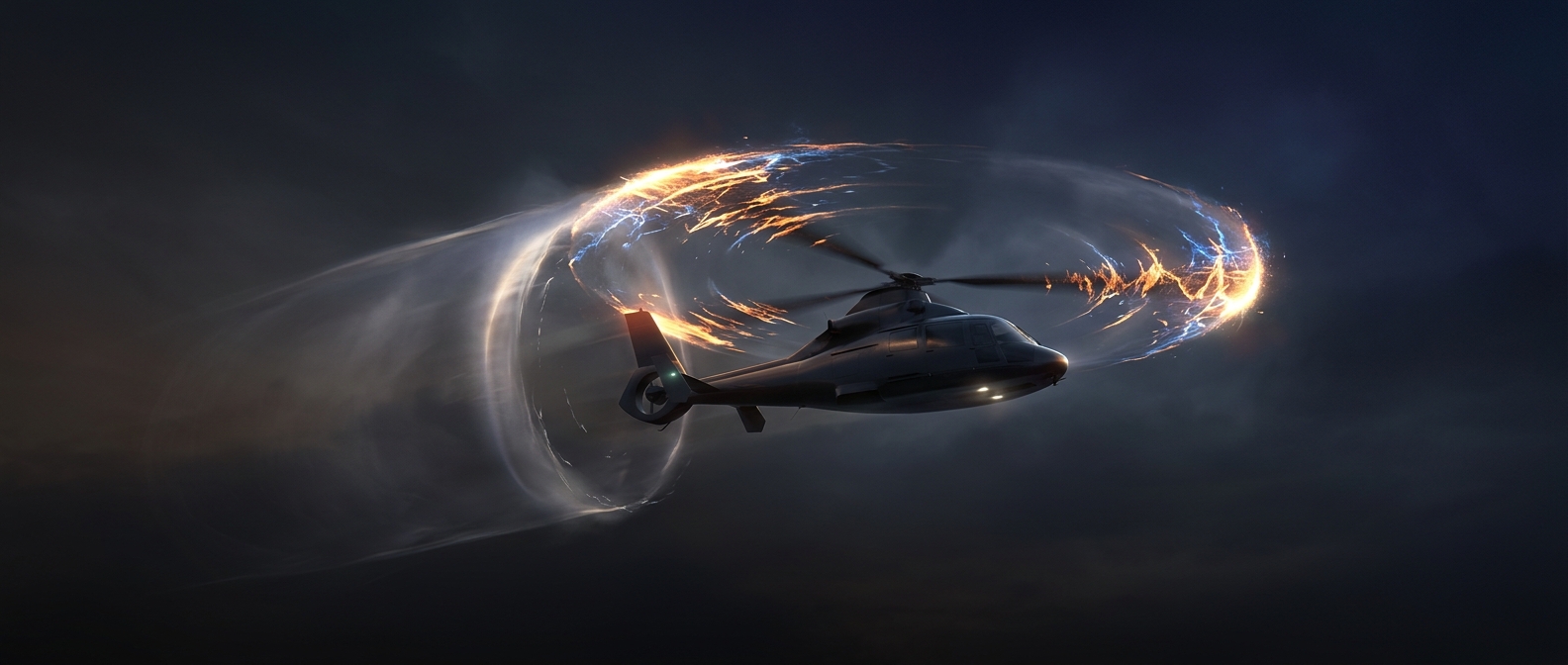
A rotor lifts a helicopter by pushing air downward. On Mars, the air is so sparse that each sweep of a blade moves far less air than it would on Earth. Ingenuity’s broad, fast-turning rotors were designed to make up for that shortage, while its light frame kept the amount of lift required as low as possible. Mars’ weaker gravity helped, but it did not cancel out the challenge of the thin atmosphere.
The aircraft had to fly its own plan
A pilot on Earth could not steer Ingenuity in real time. Radio messages take minutes to cross the distance between the planets, and the delay changes with their positions. By the time a command arrived, the helicopter could already have drifted or begun to descend.
Instead, engineers sent flight instructions ahead of time. During a flight, onboard sensors measured the helicopter’s motion, and its computer made rapid adjustments to keep it on course. This is autonomy in a practical sense: people chose the mission, but the aircraft handled moment-to-moment corrections without waiting for a response from Earth.
A test that changed what Mars missions could attempt
Ingenuity traveled to Mars with the Perseverance rover, which carried it to a suitable place to try flying. The helicopter was an experimental technology demonstration, not a way to transport people or equipment. Its flights showed that powered flight could work in the Martian environment, giving future missions another possible way to scout terrain that is difficult for a rover to reach.
That distinction matters: the achievement was not simply getting a small aircraft off the ground. It was proving that a robot could manage the fast, delicate business of flight while its human team watched from millions of miles away.