Why the ZIP Code Became a Machine-Reading Problem
When ZIP Codes arrived in 1963, they gave postal workers a compact clue about where a letter should go. But a clue is useful only if it can be read quickly. Mail moved through sorting centers in enormous volumes, and having people inspect each envelope and enter its destination would make their eyes and hands a bottleneck.
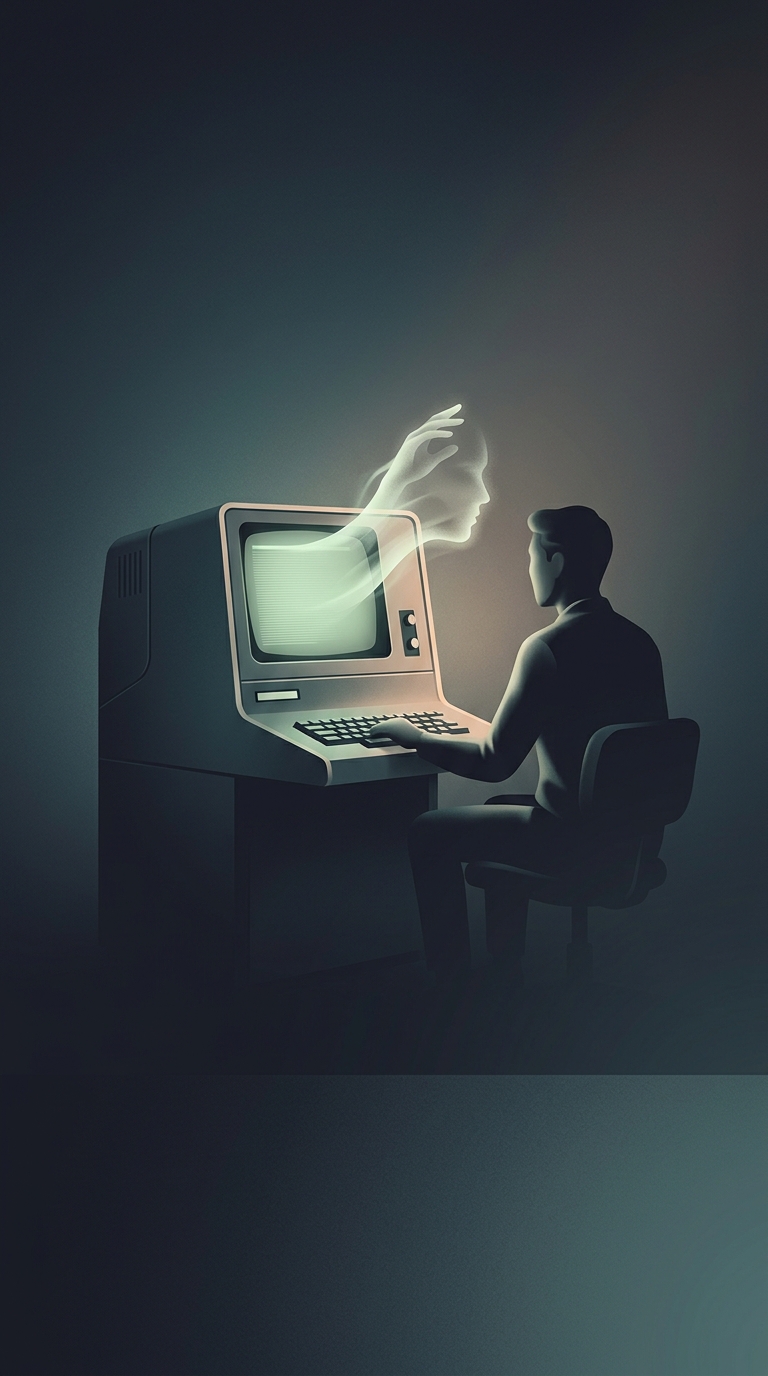
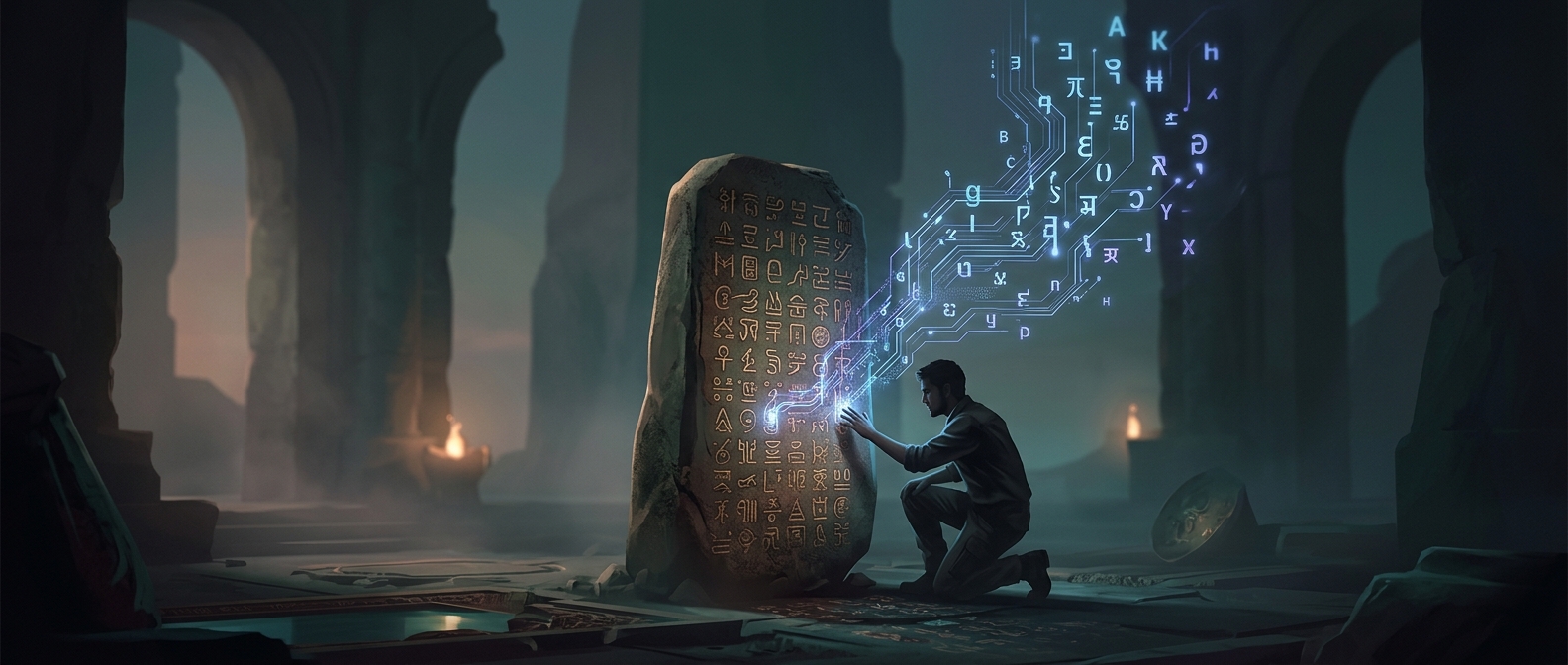
Postal automation turned the ZIP Code into a target for optical character recognition, or OCR: technology that converts shapes seen by a scanner into characters a computer can use. Rather than understanding an address as a person would, an early system looked for recognizable character patterns—especially the digits that could direct a letter toward a region or sorting center.
From Ink to a Sorting Decision
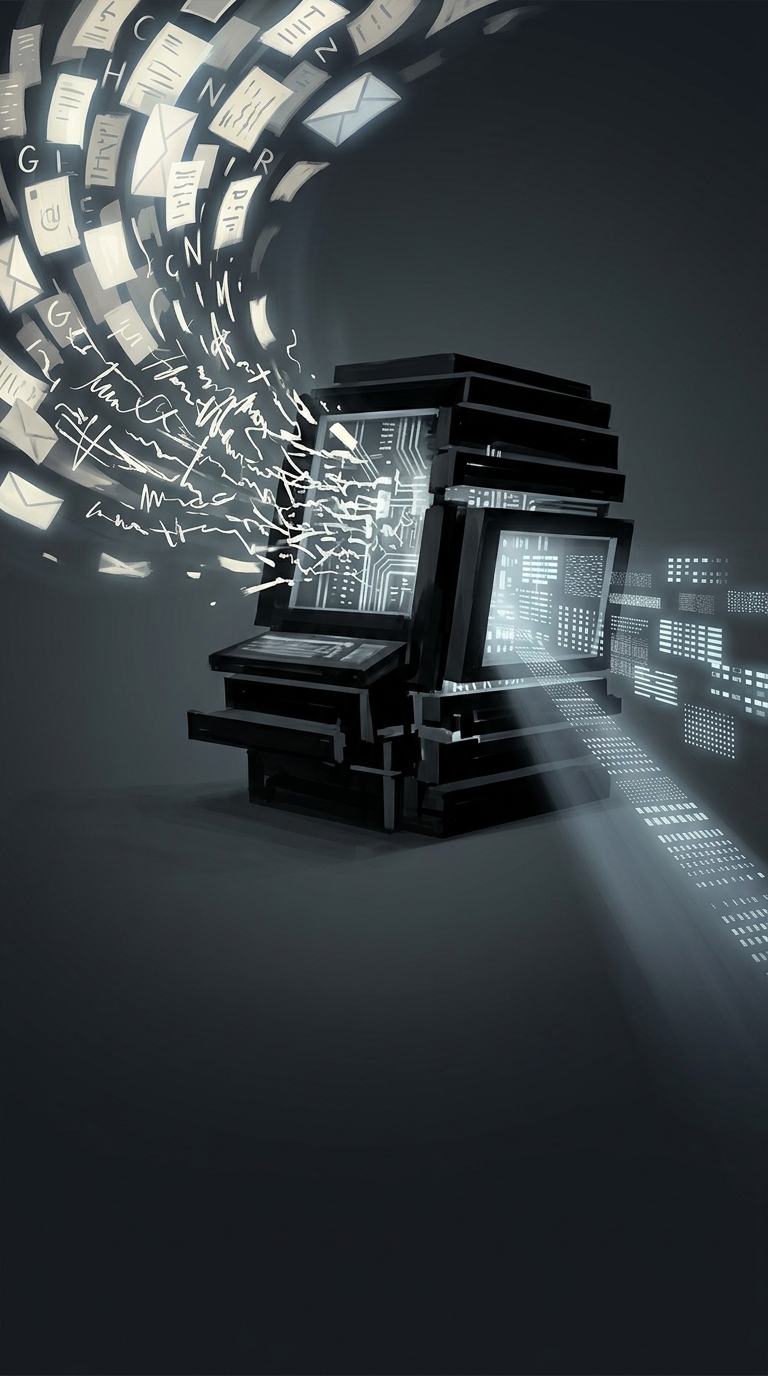
An envelope first had to be positioned and scanned so its address appeared in a predictable place and orientation. The machine then analyzed the marks, separated likely characters, and compared their shapes with patterns it had been built to recognize. If it could identify the ZIP Code, the sorting equipment could route the letter toward the right destination without a person reading and keying in that information.
That was a narrower task than understanding every handwritten address. Handwriting varies from person to person, and ink can be faint, crowded, or smeared. Early recognition worked best when the relevant digits were clear and formed in familiar ways. Difficult or uncertain cases still needed human attention; automation reduced the routine reading burden rather than making every envelope instantly legible to a machine.
Why the Machines Were So Large
The equipment belonged to an era before compact cameras and powerful processors. Scanning, pattern comparison, and rapid routing required specialized hardware, mechanical mail handling, and space for the machinery to operate together. The room-sized system was not simply a large reader: it was part of a production line built to turn a written destination into a physical sorting action.
The lasting change was that an address could become machine-usable information while the letter was being processed. Once the ZIP Code was recognized, a few handwritten or printed digits could guide an envelope through a chain of sorting decisions that would otherwise have required repeated human reading.