Why the memory can feel so real
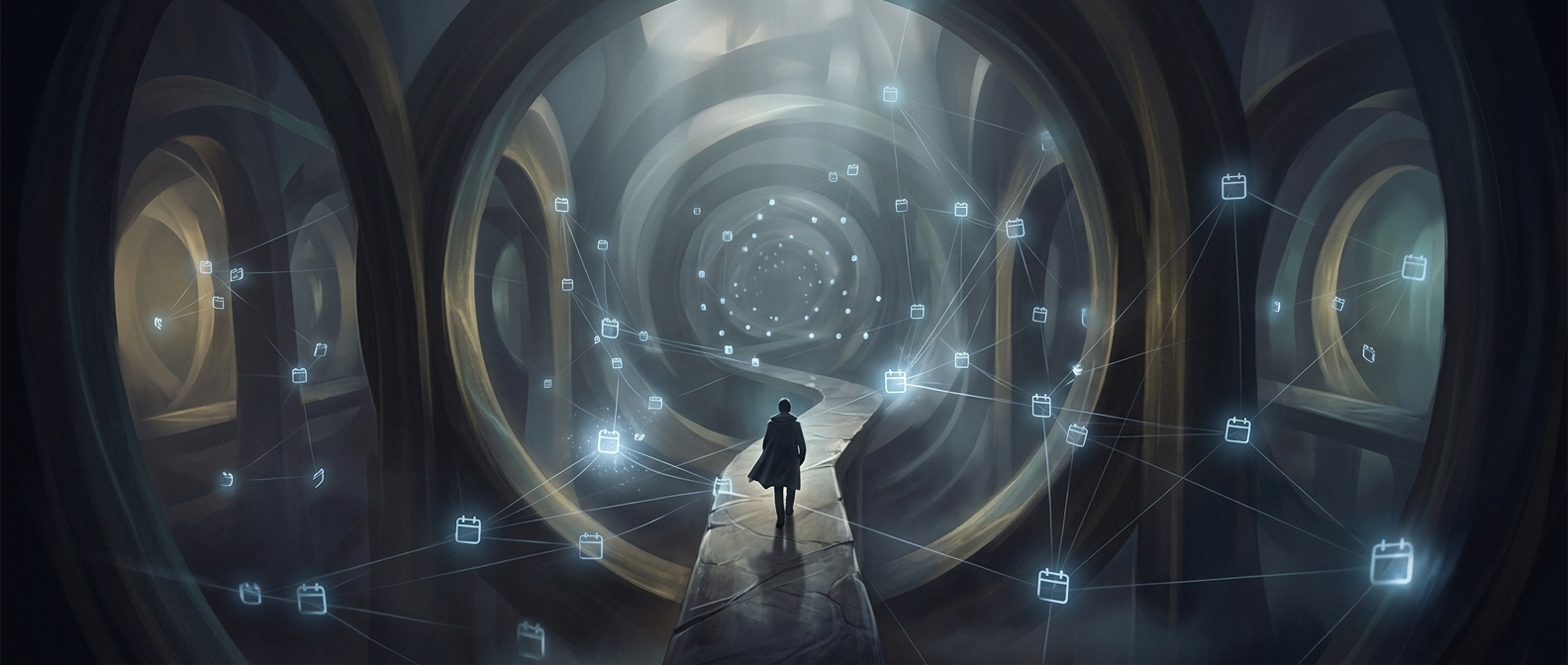
Autobiographical memory is not a video recording. When you remember an event, your brain rebuilds it from pieces—images, feelings, bits of conversation, and what you know about yourself. Each recall can also reshape the story. That does not mean the memory is false; it means vividness and certainty alone cannot establish every detail.
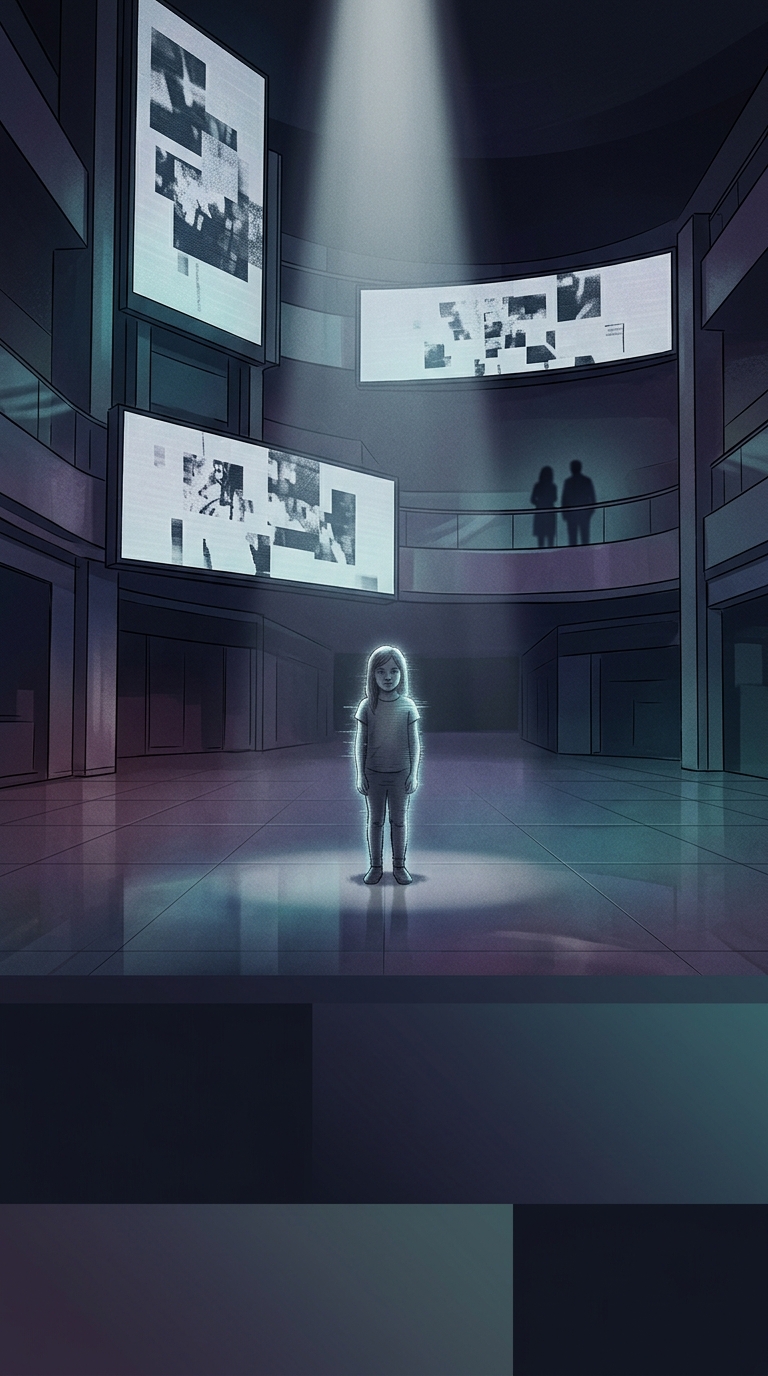
A child who was briefly separated from a parent in a crowded store might remember the fear and the setting more strongly than the short duration. Over time, those pieces can settle into a clear-seeming scene: the bright mall, the moment of panic, the search. A dream, a story about someone else, or a later visit to the mall could also become mixed into the recollection without the person noticing.
Why your parents may remember it differently
The same moment can leave very different traces. For a child, losing sight of a parent—even briefly—can feel alarming and significant. A parent may have experienced the same episode as a routine pause, resolved quickly, and not worth remembering years later. They may also simply have forgotten it. Their denial is evidence about their memory, not a conclusive test of yours.
It is also possible that the event happened in a slightly different form than the remembered version. You might have wandered a few steps away, been separated from another adult, or combined details from more than one outing. Those possibilities can be considered without assuming that the whole memory was invented.
What the disagreement can—and can’t—tell you
Memory research distinguishes between confidence (how sure you feel) and accuracy (how closely a recollection matches what happened). Strong emotion can make a memory feel especially vivid, but it does not guarantee precision. If it matters to establish what happened, independent clues—such as a family member’s separate recollection or an old photo—are more useful than repeatedly replaying the scene. The most reliable conclusion may be modest: the fear feels real, while the exact episode remains uncertain.