What a “smart” hotel is actually coordinating
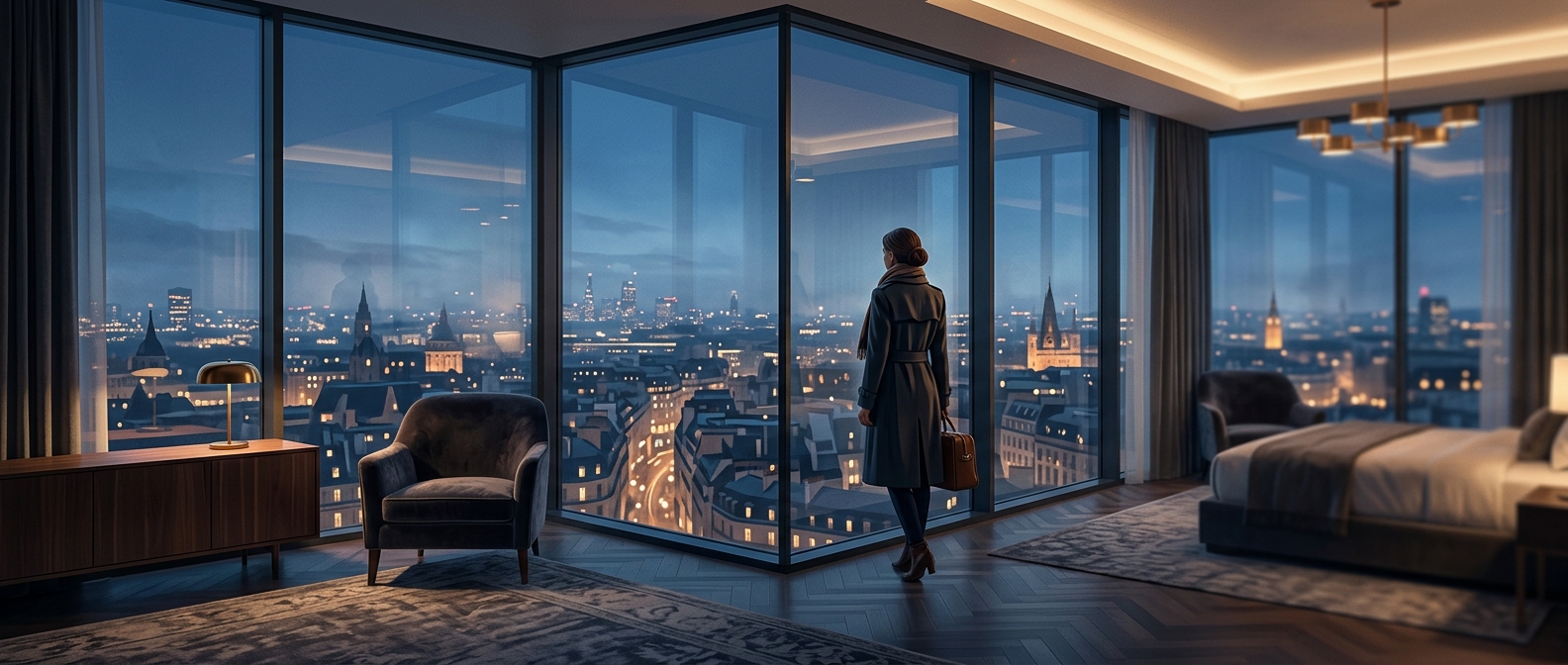
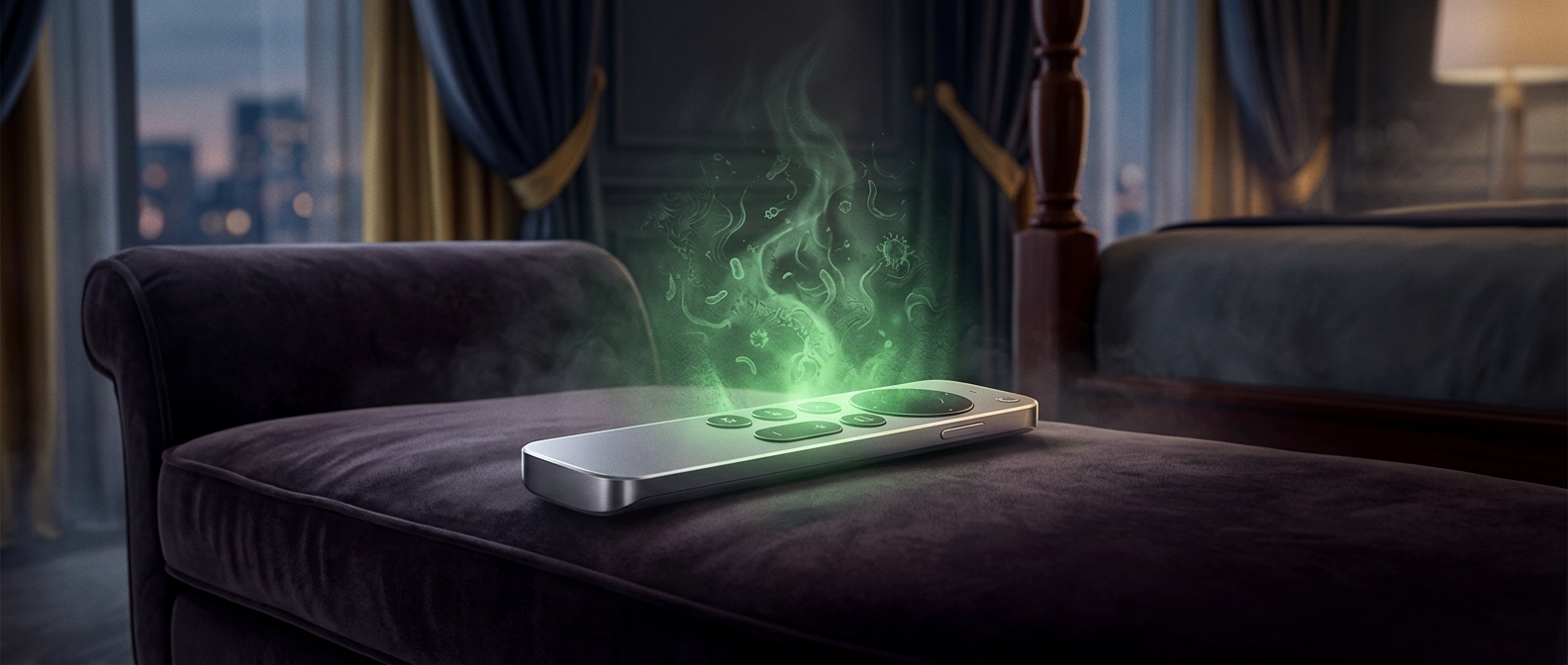
A high-tech hotel room is less a collection of independent gadgets than a set of systems passing signals among them. A face check, where offered, can match a guest to a reservation; a room-control system can respond to commands for lighting or curtains; and a delivery robot can be sent to a room using the hotel’s internal maps and elevator access. Each step removes a small task or wait from the stay.
The convenience depends on information. A hotel may need to connect a guest’s identity, room assignment, and service request so the right delivery reaches the right door. Connected room controls can also retain settings or activity records, depending on how the system is configured. That makes “personalization” a practical question: what information is collected, how long it is kept, and whether a guest can decline a particular feature.
Automation changes the work of hospitality
Machines are well suited to repeatable jobs: confirming a booking, carrying a routine delivery, or adjusting a room setting. They are less suited to interpreting an unusual request, noticing distress, or deciding what to do when a system fails. In practice, automation can shift staff away from routine transactions and toward exceptions—but only if people remain available to handle them.
That distinction helps explain why the same setup can feel effortless to one traveler and impersonal to another. A voice command that works immediately can feel like attentive service; a screen that blocks access to help can make the guest feel processed rather than welcomed. The technology’s effect on hospitality depends not just on what it automates, but on how easily a person can step in.
A hotel can make the room respond to a guest’s preferences. The harder test is whether the guest can also choose what the room—and the hotel—learns.