Why a worn joint can hurt
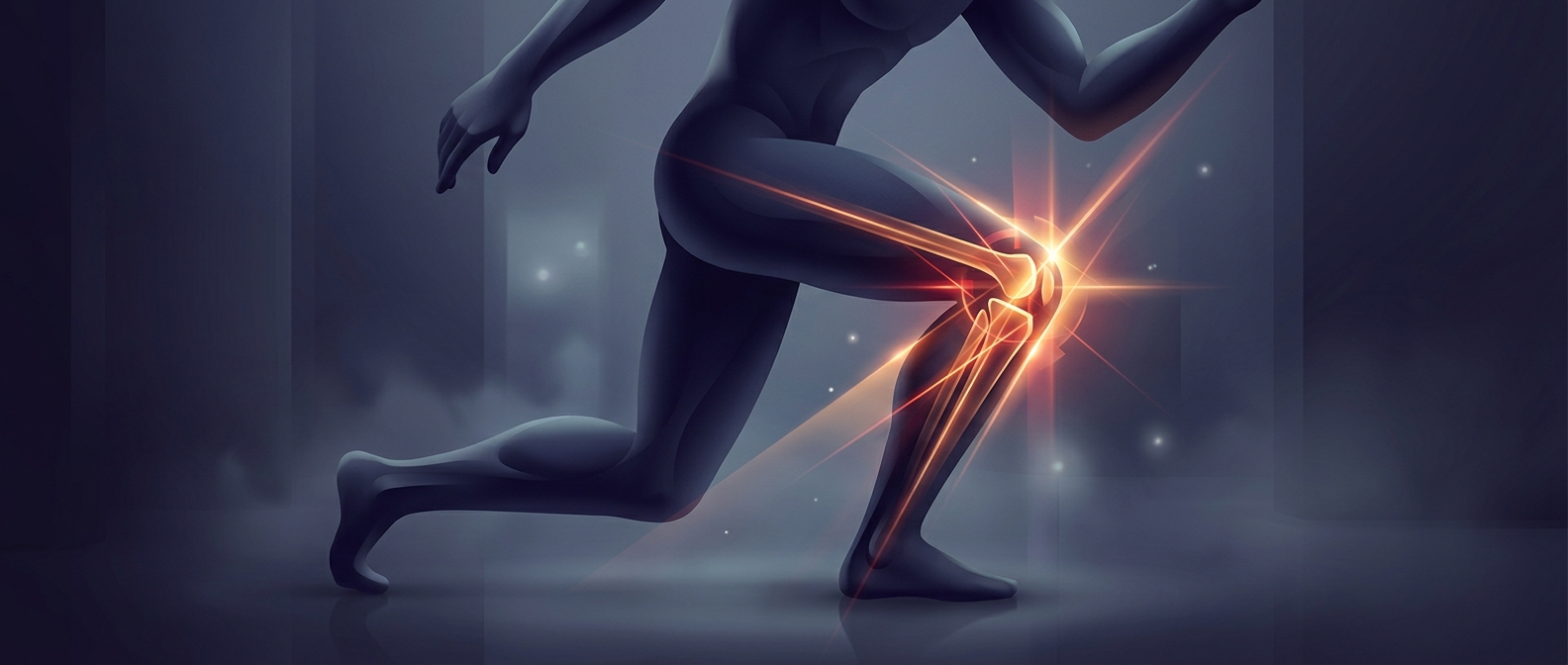
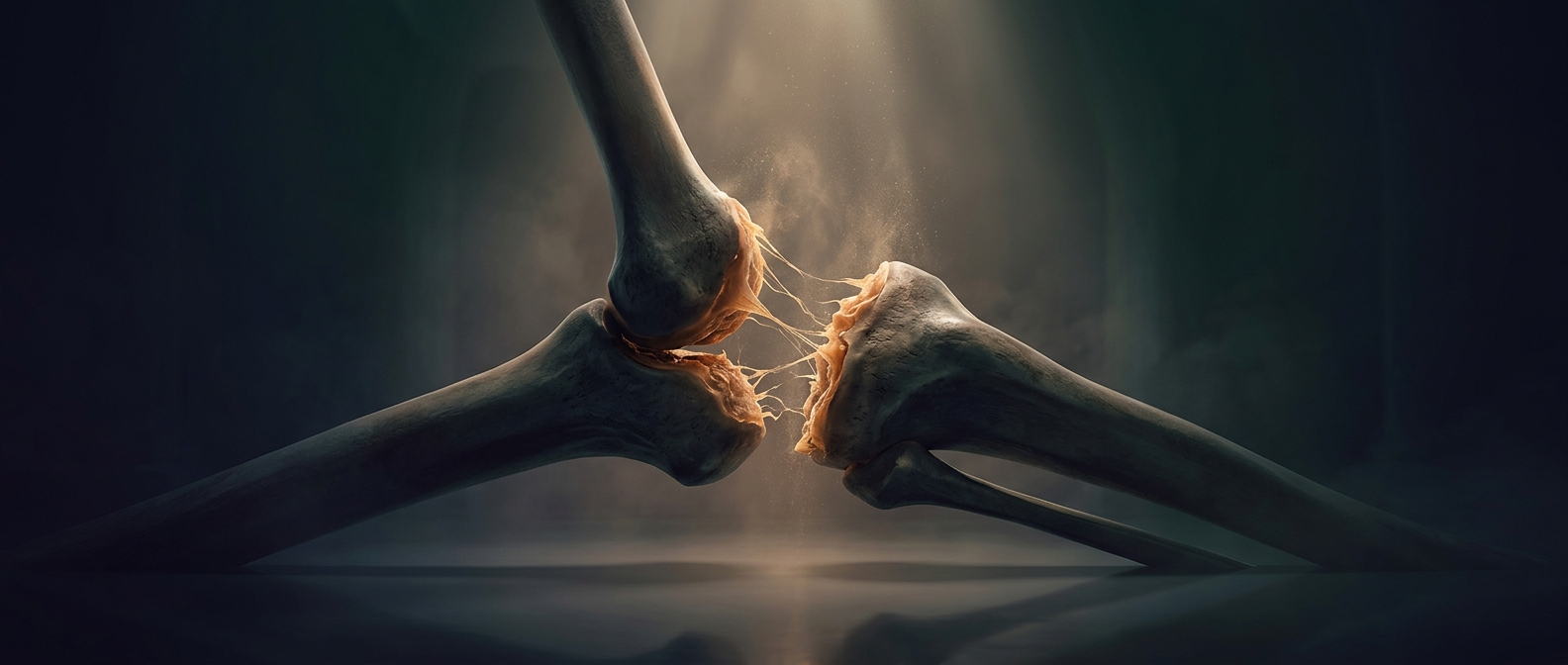
Cartilage is the firm, slippery tissue covering the ends of bones. It helps them glide past one another and spreads pressure across the joint. In osteoarthritis, cartilage gradually becomes thinner and rougher, so the joint handles everyday loads less evenly. A step, grip, or bend can place more stress on the remaining cartilage and nearby tissues.
The pain is not simply a sensation of bones rubbing together. Cartilage itself has no pain-sensing nerves. As a joint changes, the lining, bone beneath the cartilage, and surrounding tissues can become irritated or strained; those structures can send pain signals. Bone may also remodel in response to altered forces, contributing to stiffness and discomfort.
Why movement may feel worse after resting
A joint can feel stiff after sitting or first thing in the morning, then loosen as it starts moving. Gentle motion helps the joint’s lubricating fluid circulate and warms the tissues, making movement easier for some people. But repeated or heavy loading can aggravate a painful joint, so symptoms may also rise after activity.
Because osteoarthritis affects more than the cartilage surface, the amount of visible wear does not always match how much pain someone feels. The practical consequence is that a joint can be painful and stiff even when its bones are not literally grinding together with every movement.