Why an idle muscle changes quickly
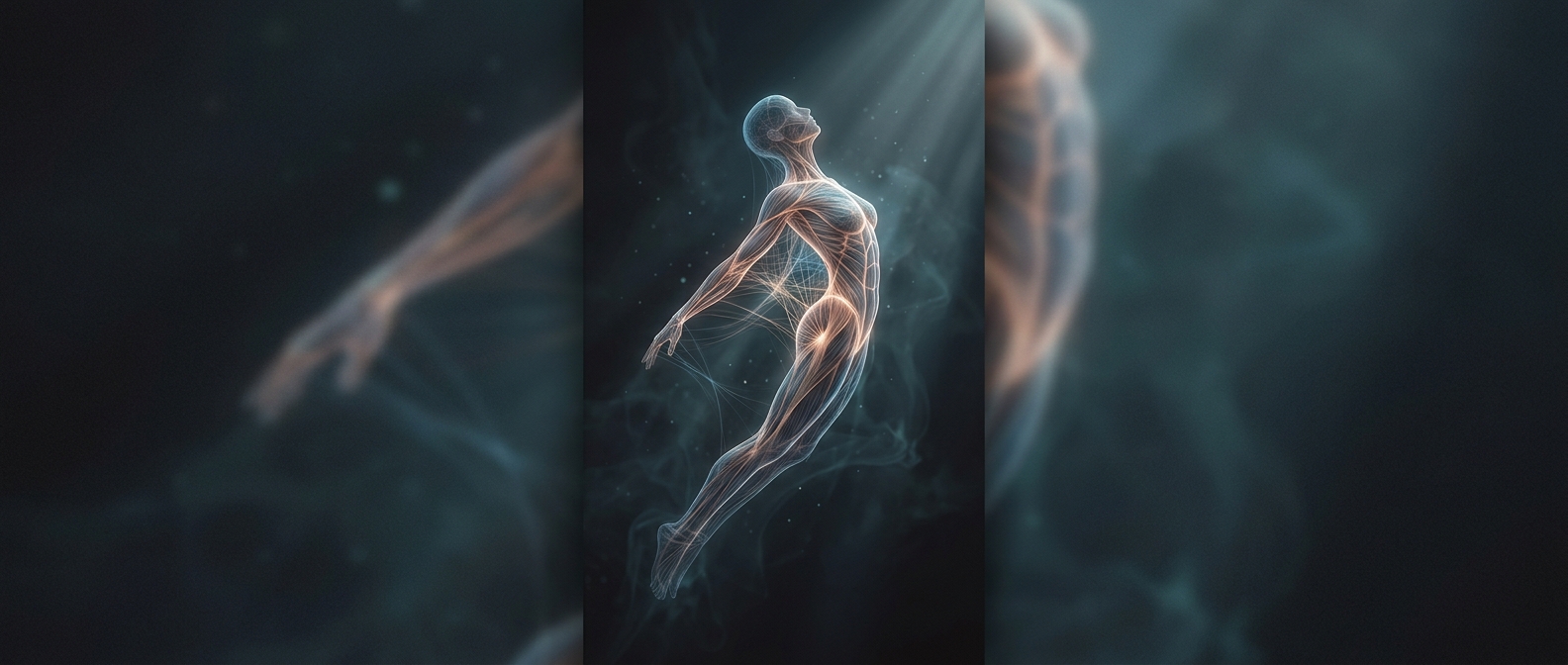
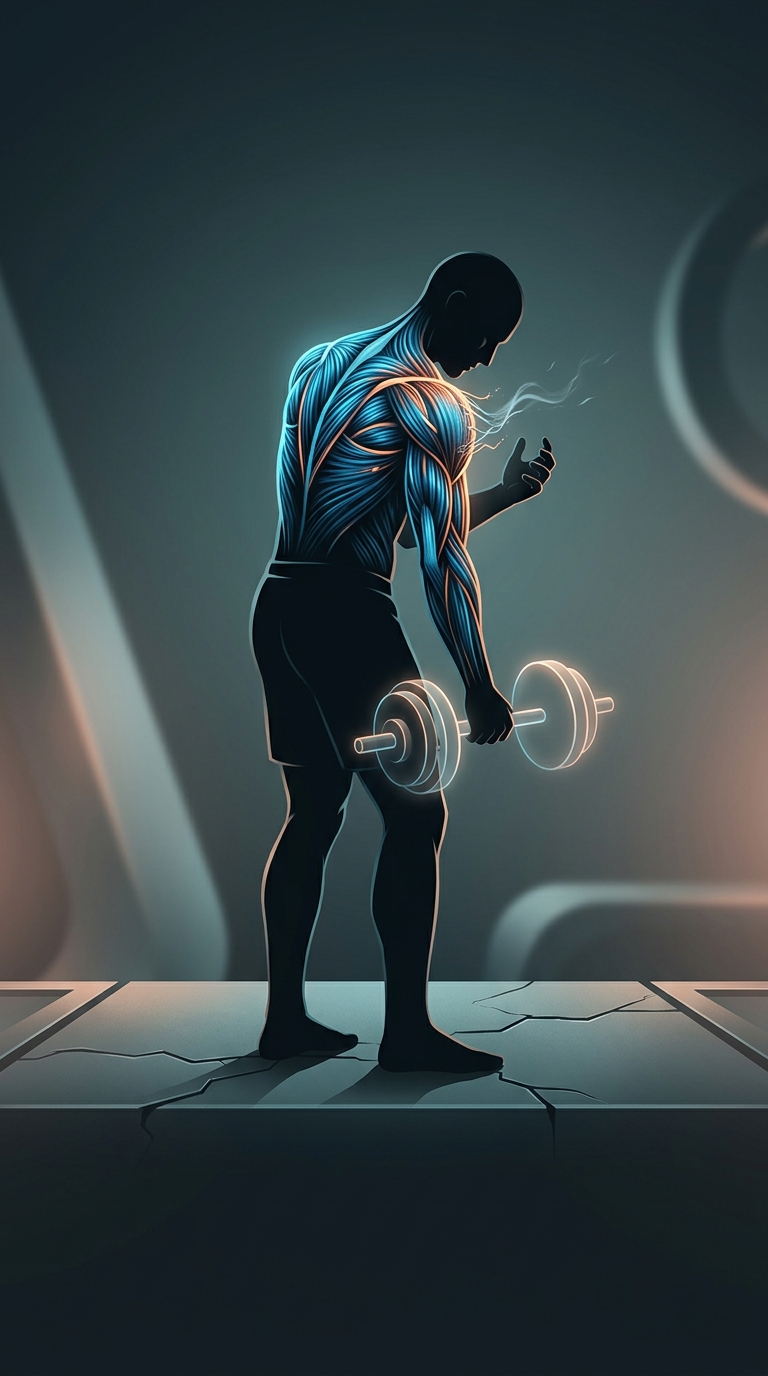
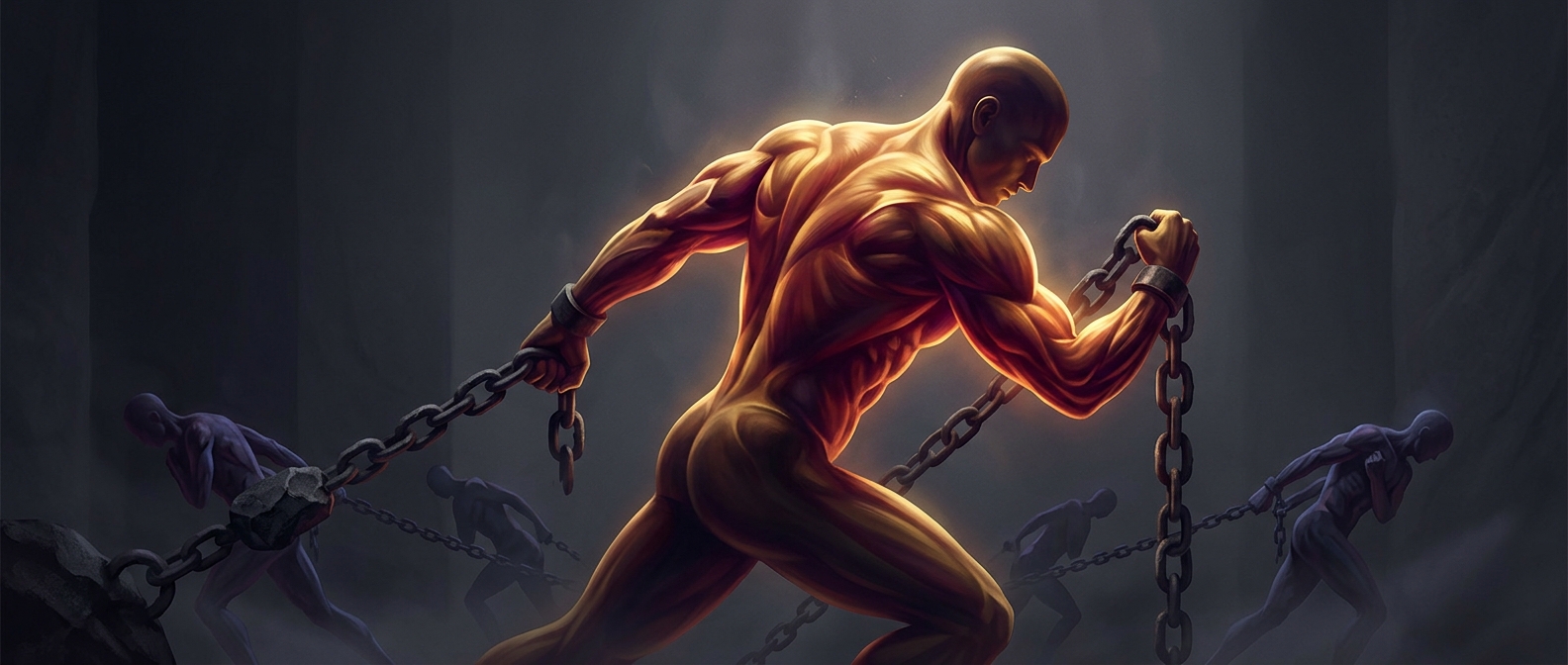
Muscle is maintained through a constant balance: the body builds and repairs muscle proteins while breaking old ones down. Ordinary movement—standing, gripping, or lifting—provides signals that help keep protein production in step with demand. When a cast prevents those movements, the muscle receives much less mechanical loading and fewer contraction signals. The balance shifts, and muscle tissue is lost faster than it is replaced.
This is an adaptation to reduced demand, not a sign that the muscle has suddenly become useless. The body is economizing on tissue it is not being asked to use. Muscles held still can therefore begin to lose size before the limb looks dramatically different.
Strength can fade before size is obvious
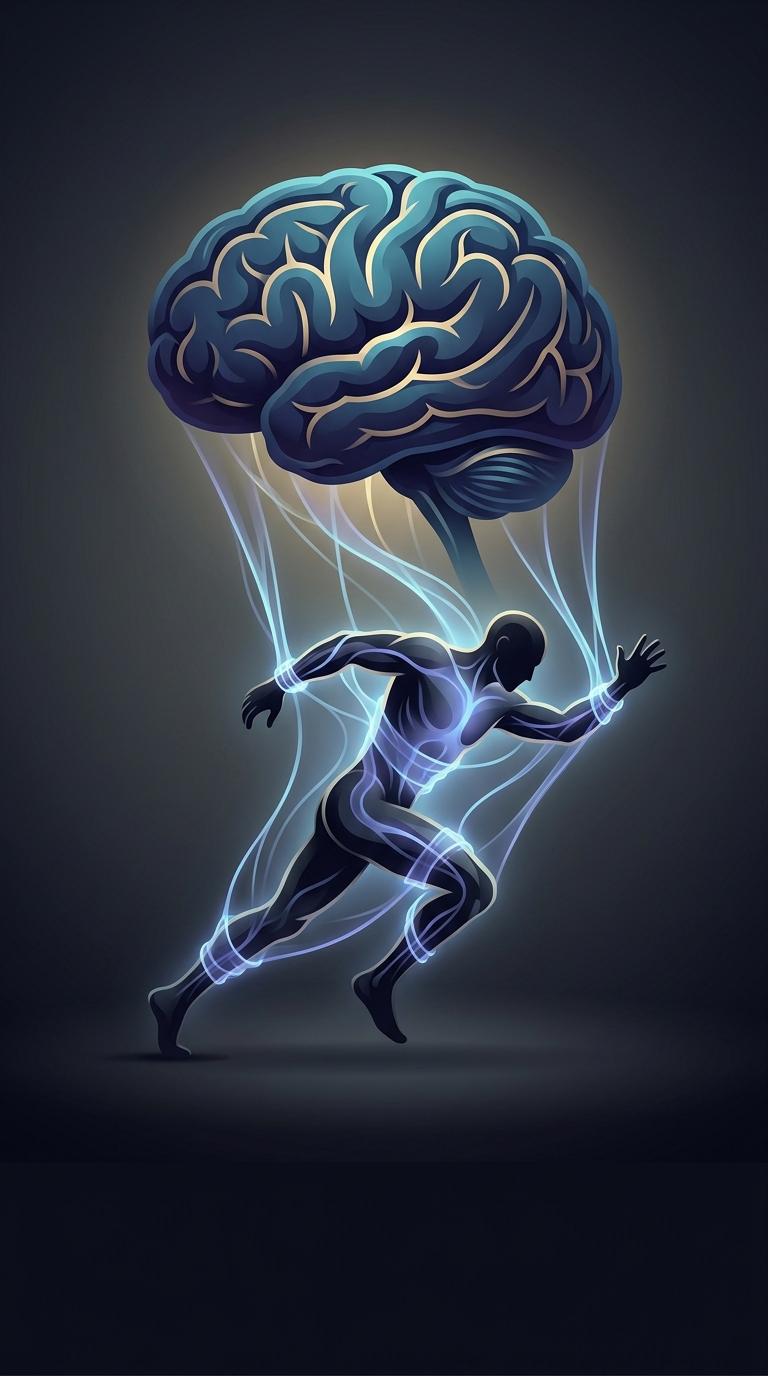
A weaker limb does not always mean that all the change is visible shrinking. Strength also depends on the nervous system’s ability to recruit muscles and coordinate their contractions. With little practice, that control can become less effective, adding to weakness alongside the loss of muscle tissue.
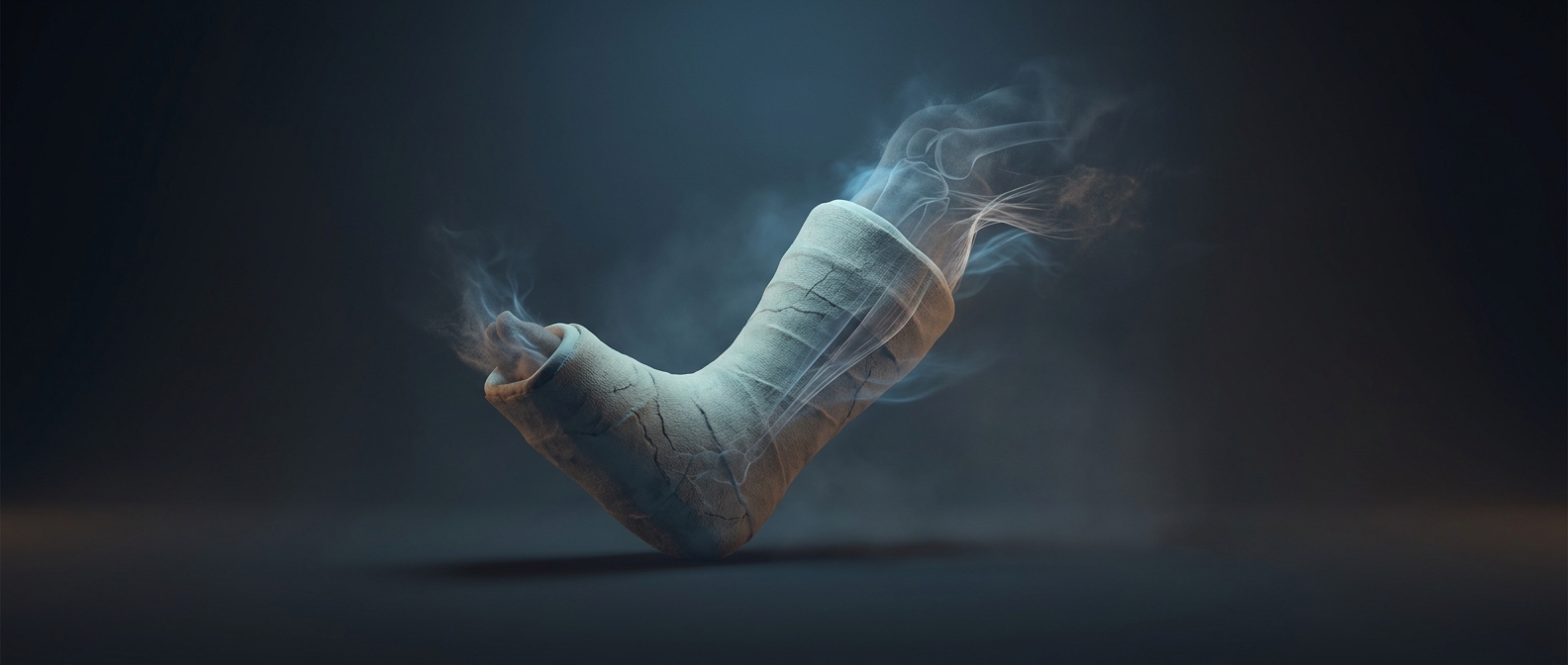
The effect is especially noticeable in the muscles that would normally move or stabilize the immobilized joint. A cast protects healing structures by limiting movement, but that same restriction removes much of the work that helps preserve muscle. The tradeoff is built into immobilization: less movement can protect an injury while allowing nearby muscle to decline.
What happens when movement returns
Once the cast comes off, using the limb again provides the missing signals, but strength and muscle size do not necessarily return at the same pace. Movement may feel awkward or tiring at first, and rebuilding capacity takes time. That is why recovery plans typically restore use in stages: the healing tissue still needs protection even as the muscles begin working again.