How the body makes tiny balance corrections
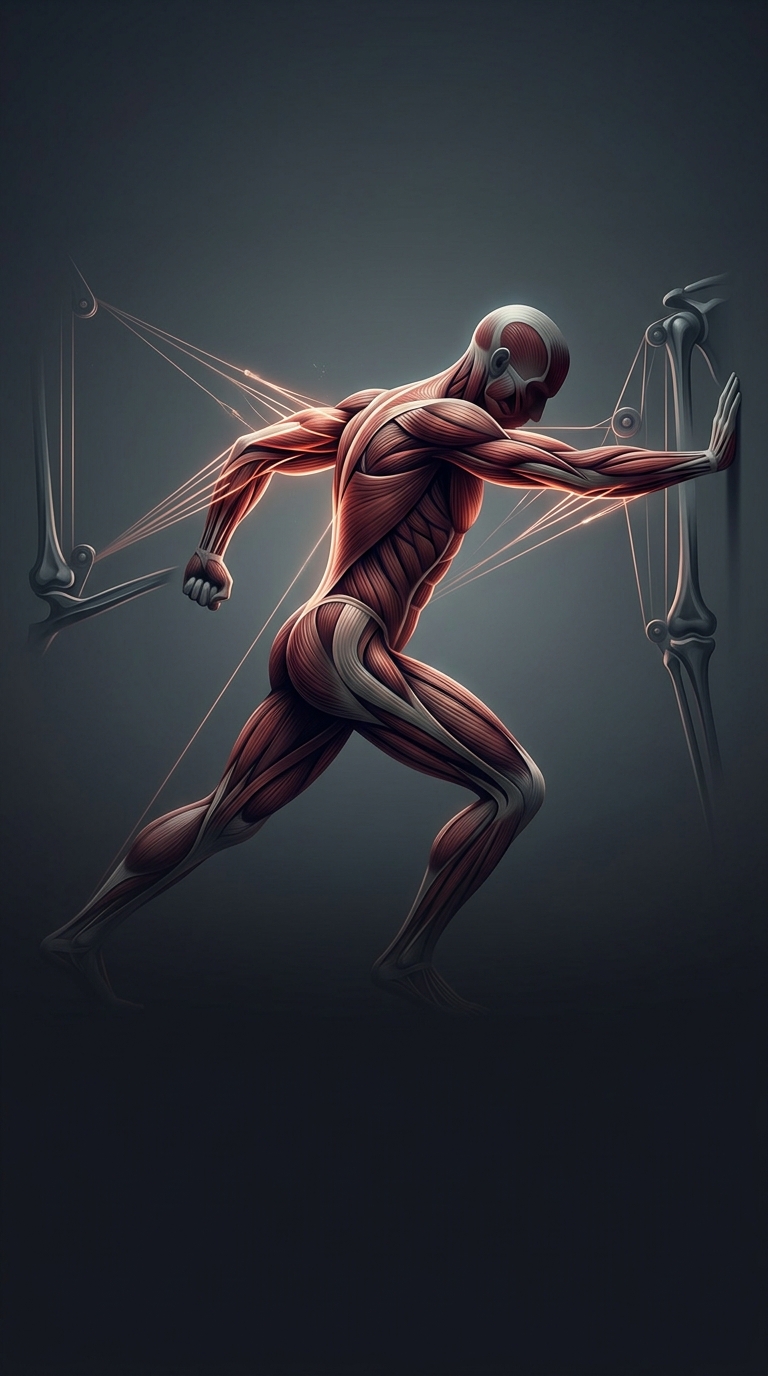
When you stand, your weight is never perfectly fixed over your feet. You sway by small amounts, and your body responds by adjusting activity in muscles around the ankles, hips, and trunk. These muscles help keep your center of mass—the point where your body’s weight is balanced—over the area supported by your feet.
Sensors in muscles and joints report changes in stretch and position to the nervous system. Vision and the inner ear provide additional clues about movement. The brain and spinal cord use this incoming information to adjust muscle activity, often before a shift becomes something you consciously notice.
Why stillness can become tiring
Muscles do not all work equally, and they do not stay switched on at full strength. The nervous system recruits small groups of muscle fibers, then changes which groups are doing the work. This helps sustain a posture, but it still requires ongoing effort. In a fixed position, some fibers may carry much of the load for a while, and their performance can decline; discomfort or fatigue is a cue to move or change position.
That is why shifting your feet, leaning briefly, or sitting down can feel relieving even when you have not done anything visibly strenuous. A motionless pose is maintained through repeated adjustments, not by freezing the body in place.