One muscle, two joints, several directions
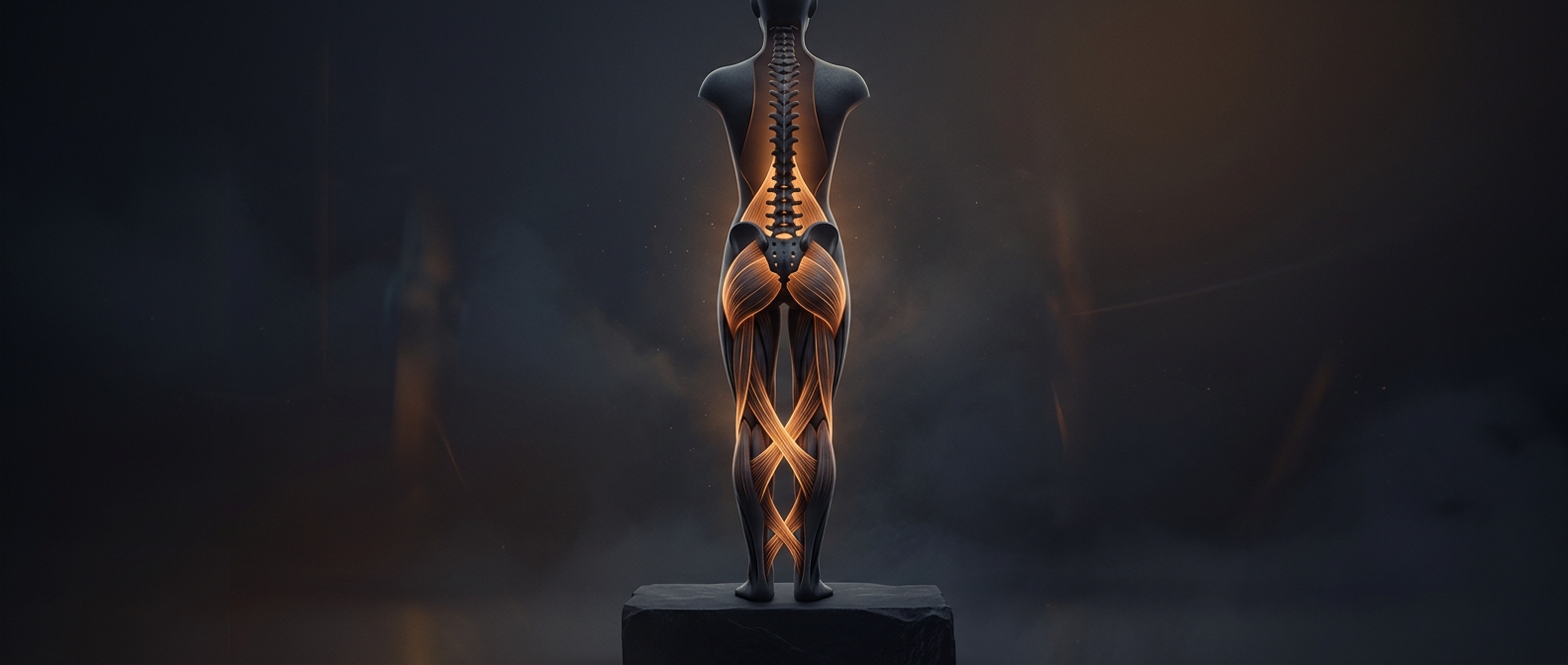
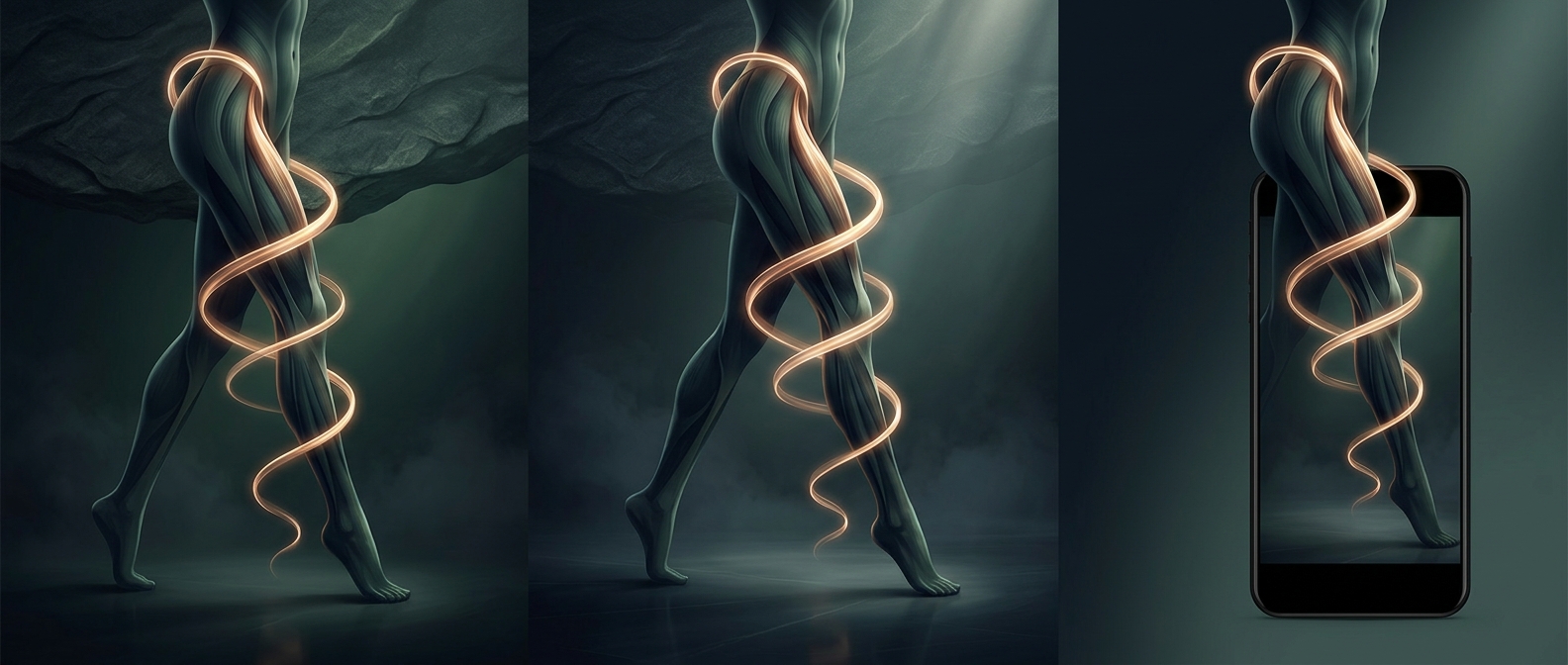
The sartorius is a narrow, ribbonlike muscle that crosses both the hip and the knee. It begins at the front edge of the pelvis and travels diagonally down the thigh to attach on the inner side of the upper shin. Because it passes over two joints, it can influence movement at both—not by acting as a powerful motor, but by helping coordinate a particular combination of motions.
At the hip, it helps lift the thigh, move it outward, and rotate it so the knee turns away from the body's midline. At the knee, it can help bend the leg. Those actions together make it easier to bring one ankle toward the opposite thigh, as in sitting cross-legged.
A long route, not a bulky muscle
A muscle that spans a long distance is not necessarily strong or large. The sartorius is relatively thin, and its diagonal course gives it leverage across the joints rather than the bulk needed for forceful movement. Other muscles do much of the work of lifting or rotating the leg; the sartorius assists and helps guide the motion.
Its name comes from the traditional association with tailors, who were often depicted sitting with their legs crossed while working. The posture is a useful illustration of the muscle's unusual job: one slender band helps link movements at the hip and knee into a familiar position.