One curl, several jobs
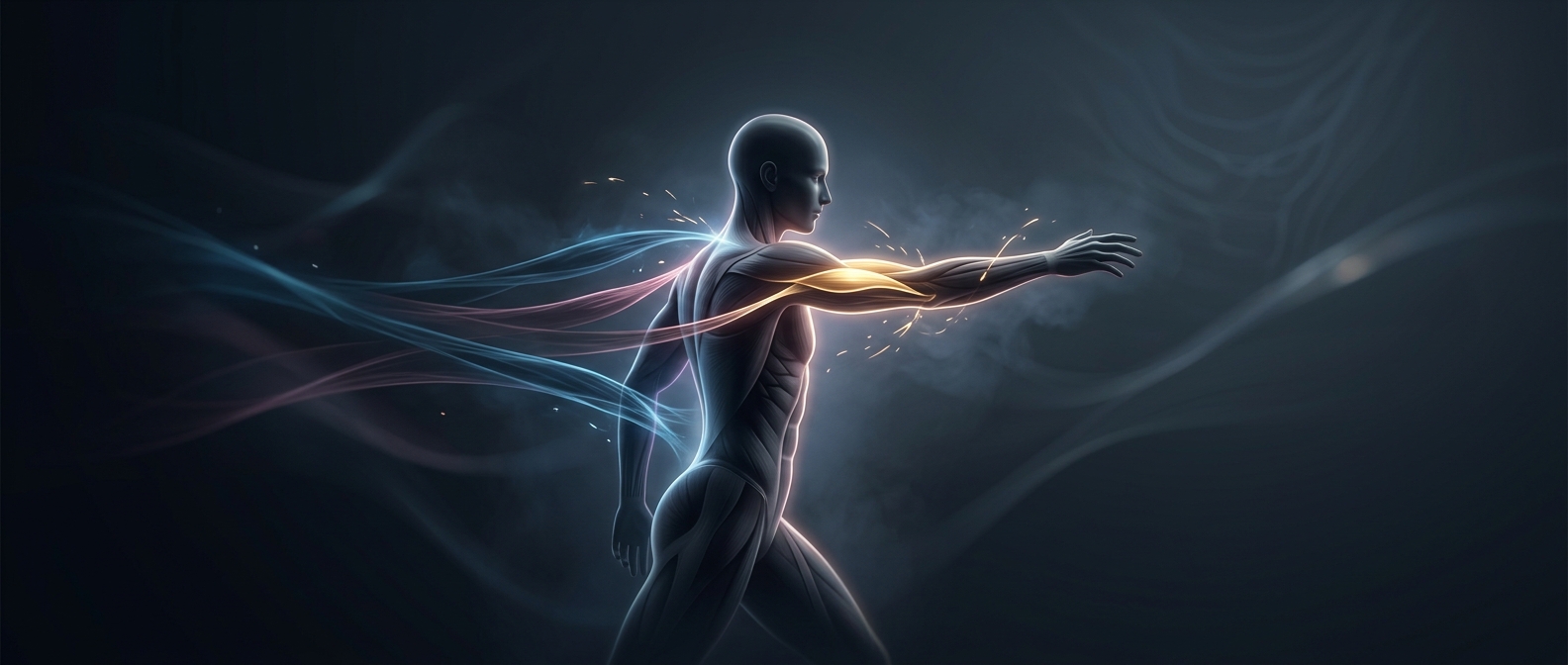
A dumbbell curl looks like a simple hinge at the elbow, but the joint does not move safely by switching on one muscle and leaving the rest idle. The biceps brachii is called the agonist—the muscle assigned the main role in a particular movement—because it helps produce elbow flexion. It shares that work with the brachialis, which lies beneath it, and the brachioradialis in the forearm. Their contributions vary with the position of the hand and arm.
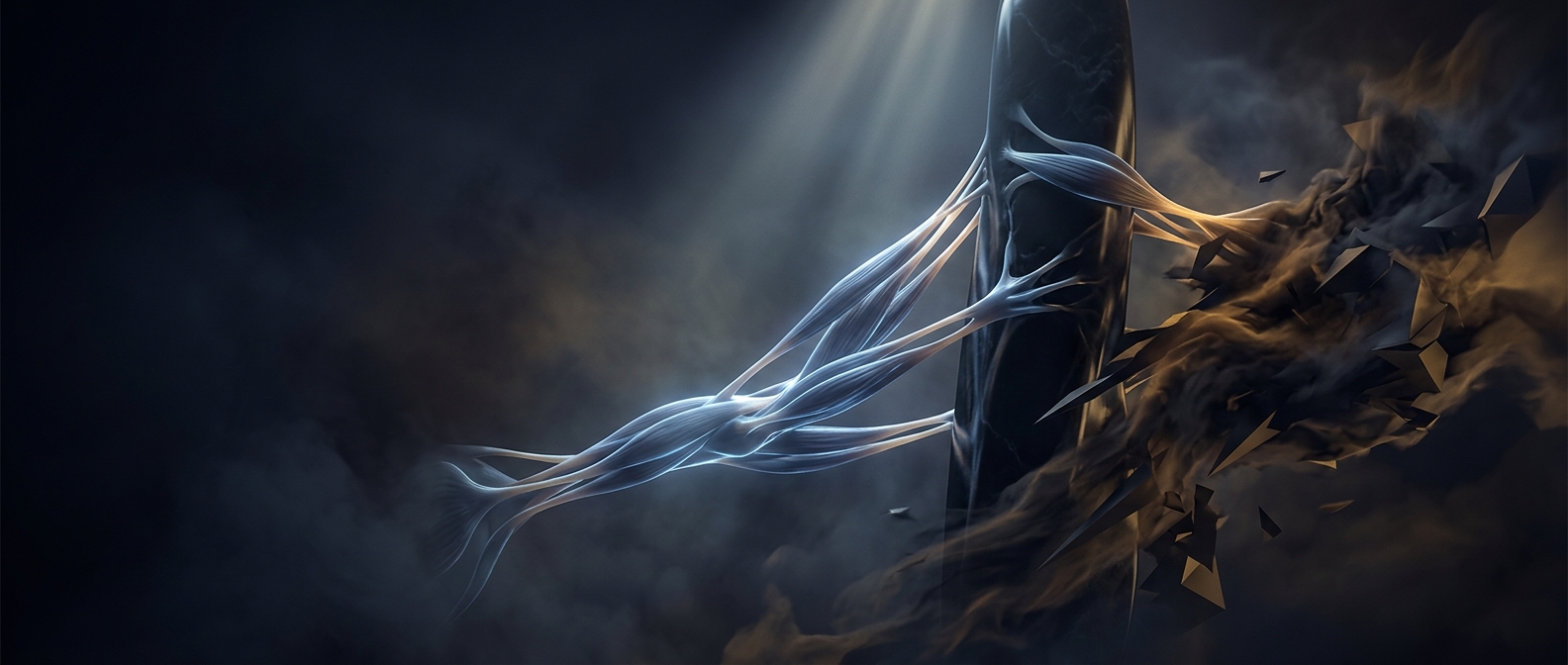
Other muscles steady the shoulder and upper arm so the elbow can move without the whole limb swinging. Muscles that assist the main mover are called synergists; some also help keep a joint aligned. That stabilizing work may be less visible than the curl itself, but it helps make the movement controlled rather than a collection of shifting parts.
The roles change as the weight moves
The triceps, which straightens the elbow, is the biceps’s opposing muscle. In a curl, it is not simply “off”: muscles on opposite sides of a joint can work together to limit unwanted motion and keep the elbow steady. On the way down, the biceps can remain active while lengthening to brake the weight. This is why lowering a dumbbell slowly still counts as muscular work.
“Agonist” is therefore a description of a muscle’s role in a movement, not a claim that it acts alone or deserves all the credit. Change the task—turn the palm, alter the arm position, or lower the load—and the distribution of effort changes too. The visible curl is one joint action; the controlled motion depends on a team.