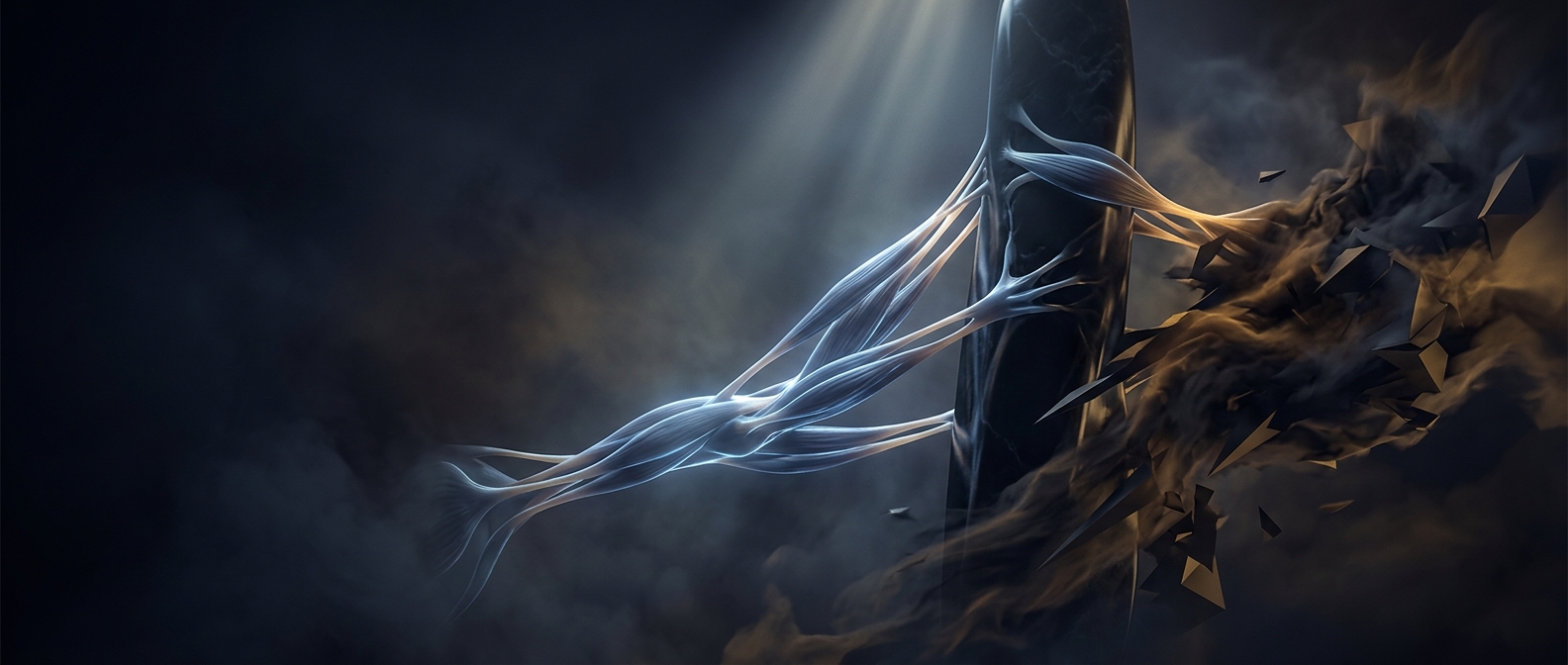
Why a Punch Needs a Stable Shoulder
A punch is not simply the arm swinging forward. Force travels through a chain of body parts, and the shoulder has to manage that force while the upper arm moves. The shoulder blade glides over the rib cage, while the upper arm rotates in a relatively shallow socket. That mobility allows a wide range of motion, but it also means the joint depends heavily on muscles for control.
The Muscles That Keep Motion on Track
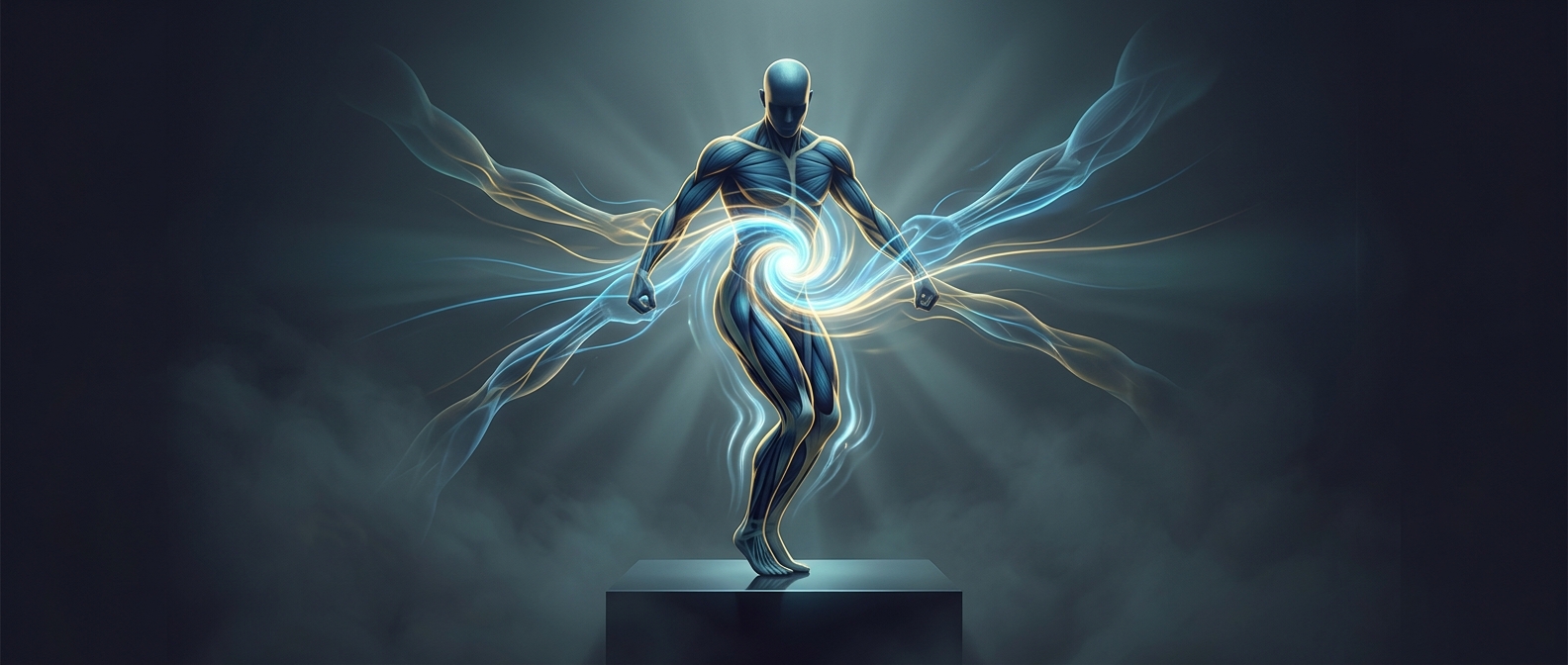
The rotator cuff—a group of small muscles and tendons around the shoulder—helps keep the upper arm centered in its socket as larger muscles move it. Other muscles position the shoulder blade against the rib cage. Together, these stabilizers adjust their pull as the arm accelerates, helping prevent unwanted sliding or rotation.
This bracing is not the same as locking the shoulder rigid. The stabilizing muscles must allow the blade and arm to move while resisting motion that would disrupt the joint’s alignment. If they did not provide that counterforce, the muscles driving the punch would be pushing against a less controlled base, making the movement less precise and placing more strain on shoulder tissues.
Control Matters as Much as Force
The shoulder’s stabilizers work before and during the arm’s movement, coordinating with the muscles that produce it. Their job is especially important when the arm changes speed or meets resistance, because those moments can tug the joint away from its intended path. A powerful movement depends not only on muscles that create force, but also on muscles that keep that force organized.