What the inner-thigh muscles actually do
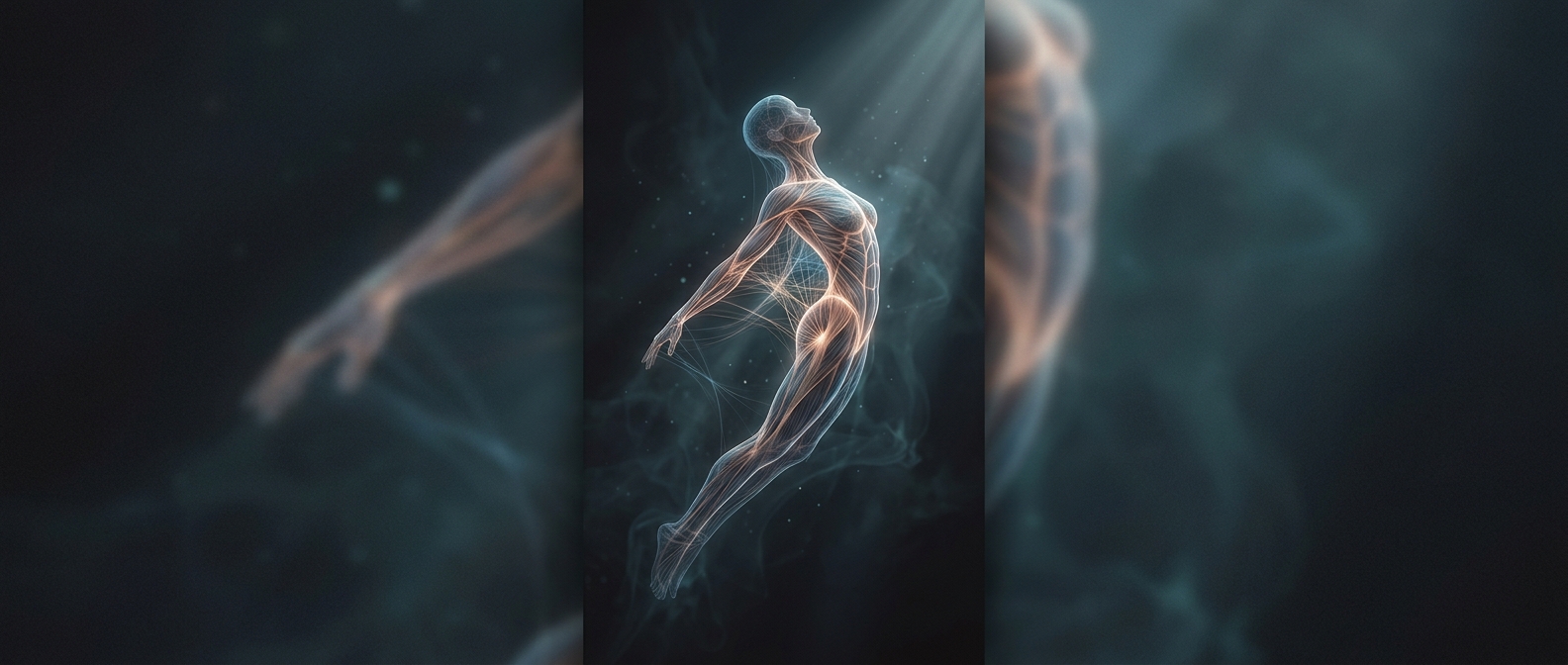
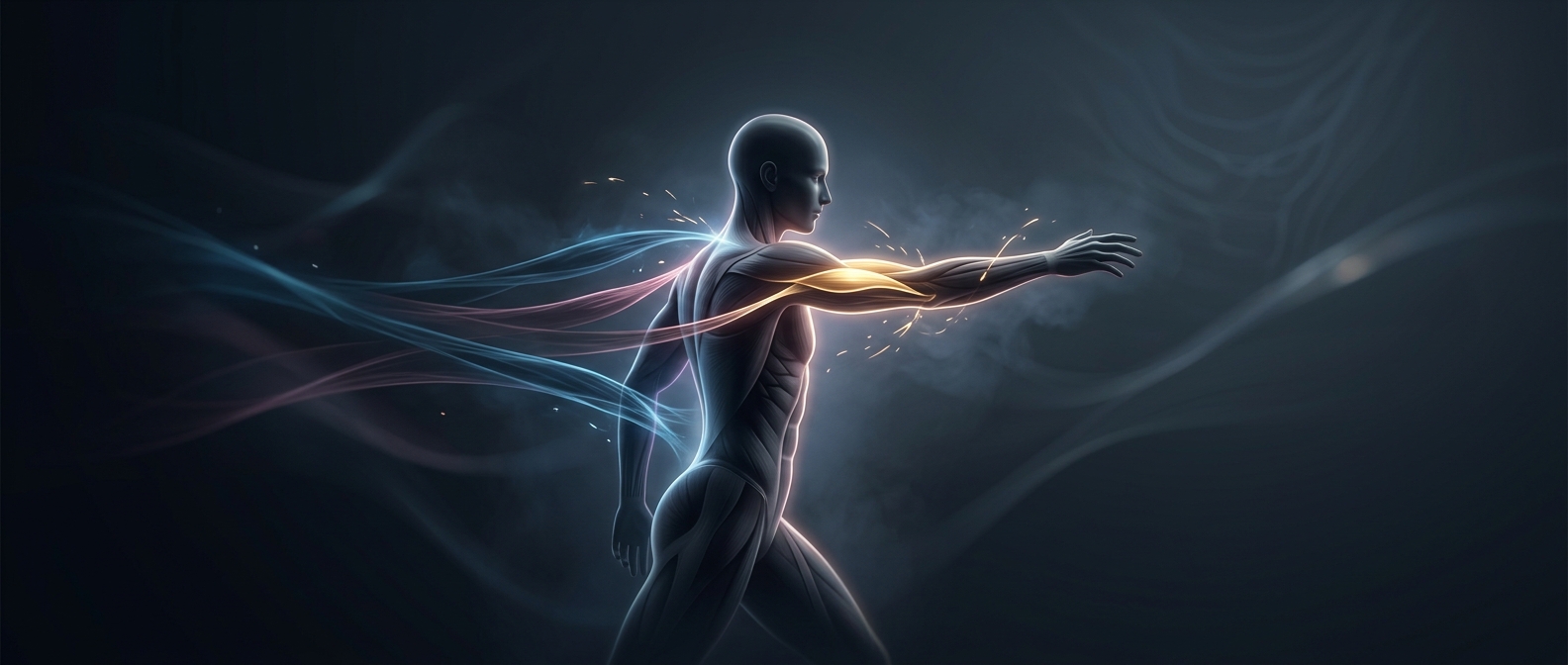
The muscles that draw a leg toward the body’s midline are called the hip adductors. They sit along the inner thigh and attach the leg to the pelvis. When they contract, they pull the thigh inward at the hip—whether the knee is bent or straight. Pressing the knees together can make that action easy to notice, but the movement is happening mainly at the hip, not because the knees themselves are being squeezed inward.
The muscles work as a team
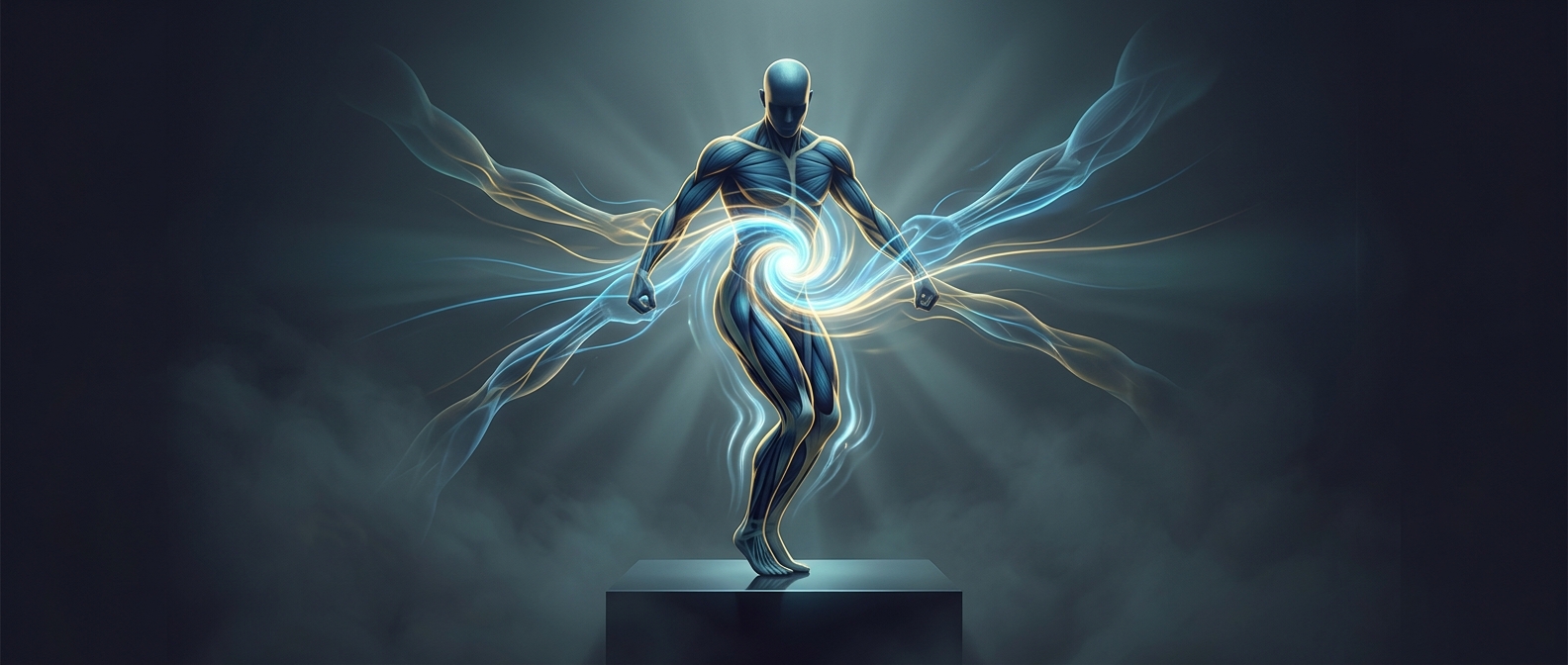
Several muscles contribute, including the adductor longus, adductor brevis, and adductor magnus. Their job is not simply to clamp the legs together. Depending on the position of the hip, they also help steady the pelvis and control the leg as it moves. In standing, for example, they can help keep the thigh from drifting outward; during a step, they help guide the leg back beneath the body.
The opposite movement—moving a leg away from the midline—is called abduction. Muscles on the outer hip produce much of that motion. Together, these opposing muscle groups let the leg move with control instead of swinging freely from side to side.
Why a hard squeeze feels different
A forceful squeeze recruits more muscle effort, but it does not change the basic action: the thighs are being drawn inward. The feeling may spread through the groin or inner thigh because those muscles span that area and connect near the pelvis. A sharp or unusual pain, however, is not a sign that the muscles are working better; it can indicate irritation or strain. For ordinary movement, the useful takeaway is simple: the inner thighs help bring the legs toward center while also helping stabilize the hips.