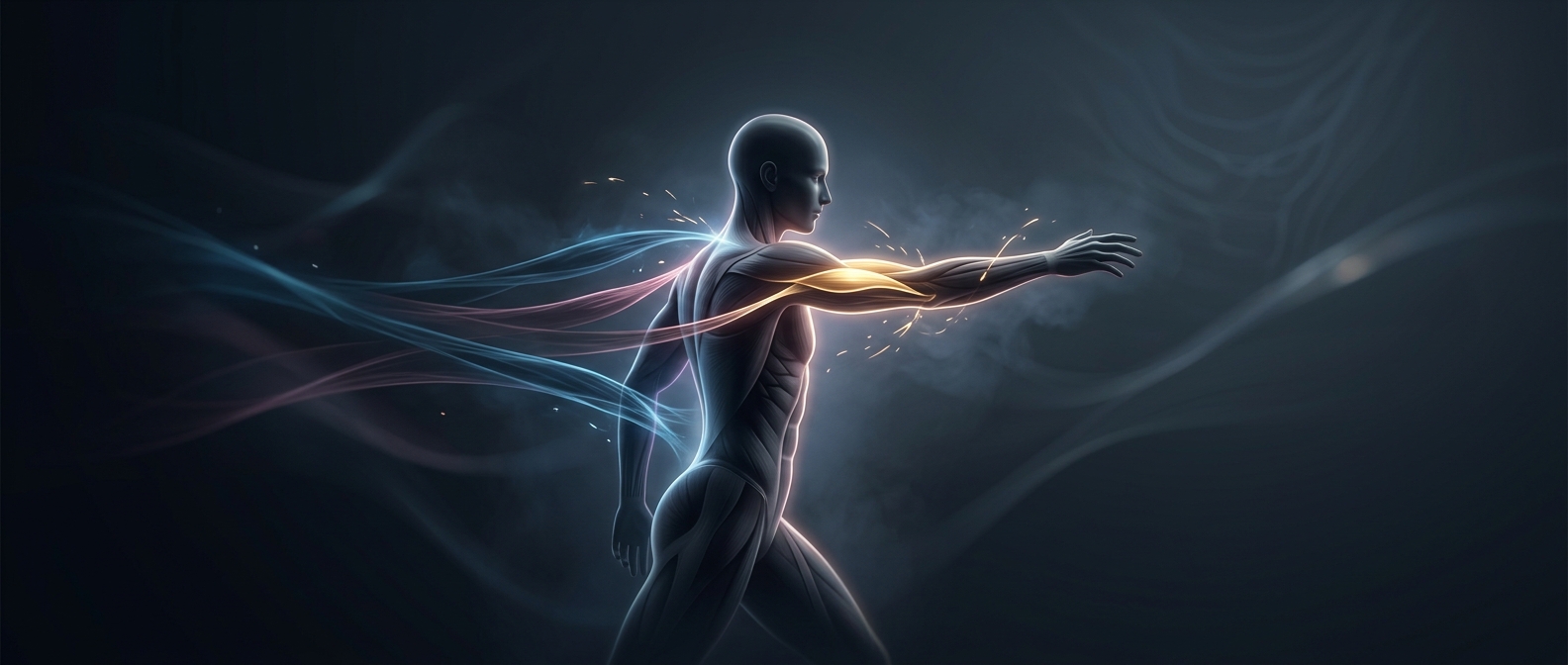
How muscles put a brake on a joint
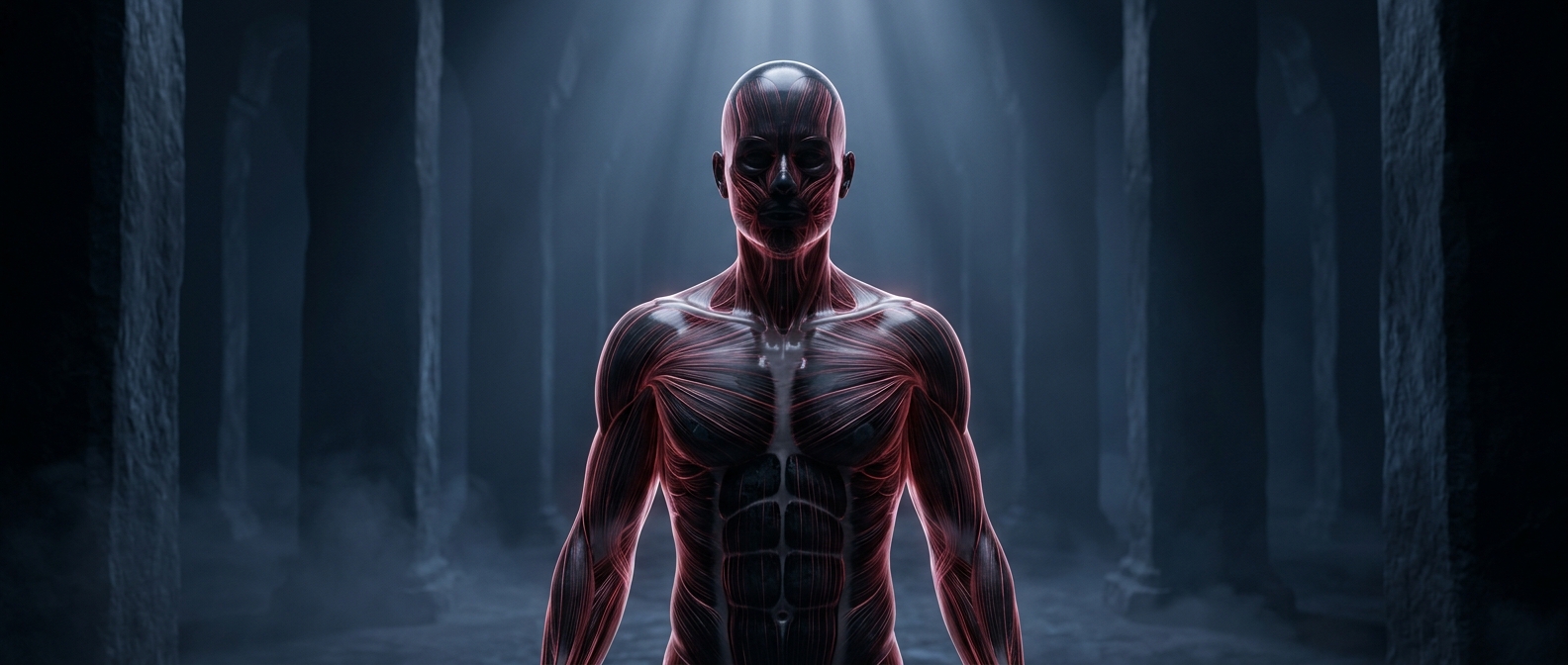
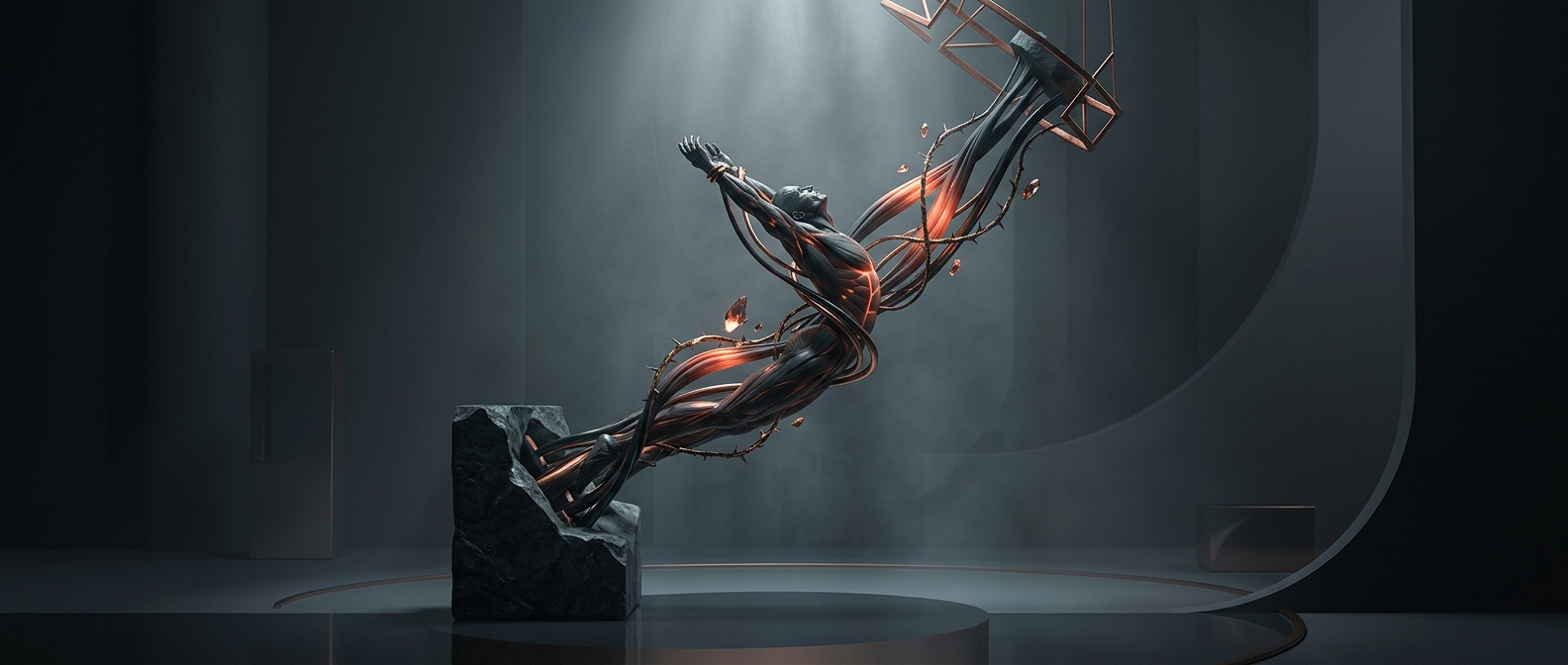
Muscles can only pull, not push. So a joint’s movement usually depends on pairs of muscles on opposite sides: when one contracts to bend or straighten a limb, its partner lengthens. That lengthening is not simply relaxation. The opposing muscle can stay active and resist the motion, controlling how quickly the joint moves.
This coordinated action is called co-contraction. For example, as you straighten your elbow, muscles that bend it can help regulate the motion rather than letting the forearm snap into place. The brain and spinal cord adjust the balance between the two sides using information from the body about joint position and muscle stretch.
Why controlled lengthening matters
A muscle producing force while it lengthens is working eccentrically. This lets it absorb some of the energy created by a moving limb, much like a brake slowing a wheel. The muscle on the opposite side therefore helps manage the movement, especially as the joint approaches the limit of its range.
The result is smoother, more precise motion and added stability. When you lower a cup toward a table, for instance, your arm muscles regulate the descent so the cup does not simply drop. At a joint, that same push-and-brake coordination helps keep movement within a useful range instead of allowing momentum to carry the limb farther than intended.