What a Motionless Muscle Is Doing
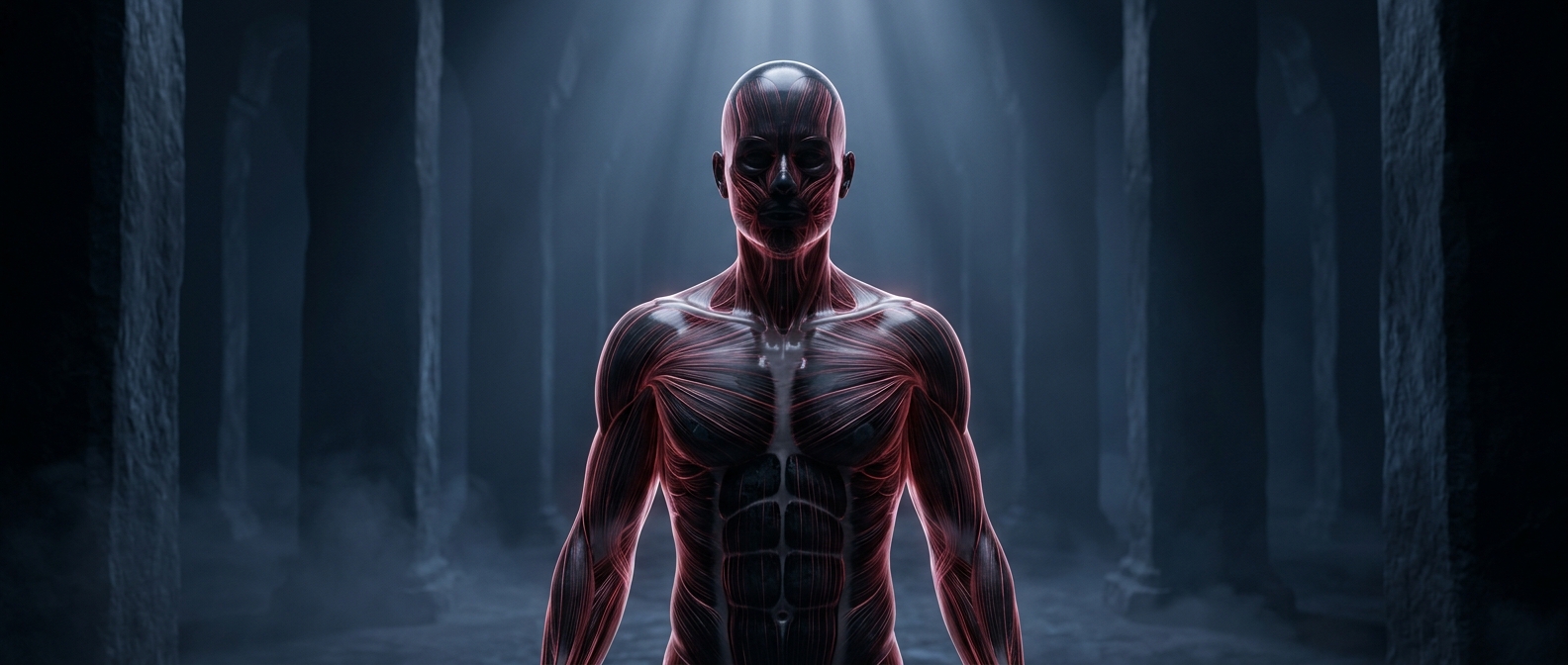
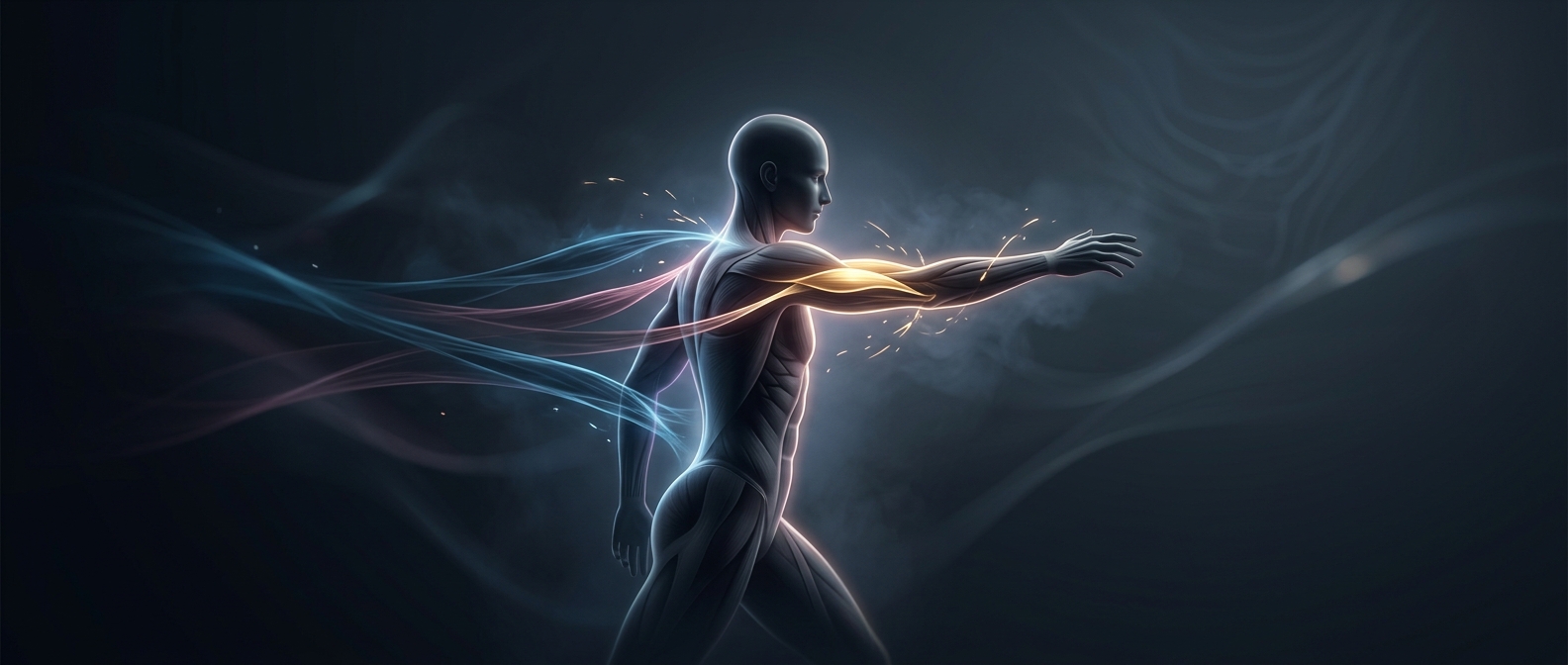
A wall does not move when you push it, but your muscles still generate tension. In an isometric contraction, a muscle produces force without noticeably changing length, so the joint stays in roughly the same position. The effort is real even though there is no visible movement.
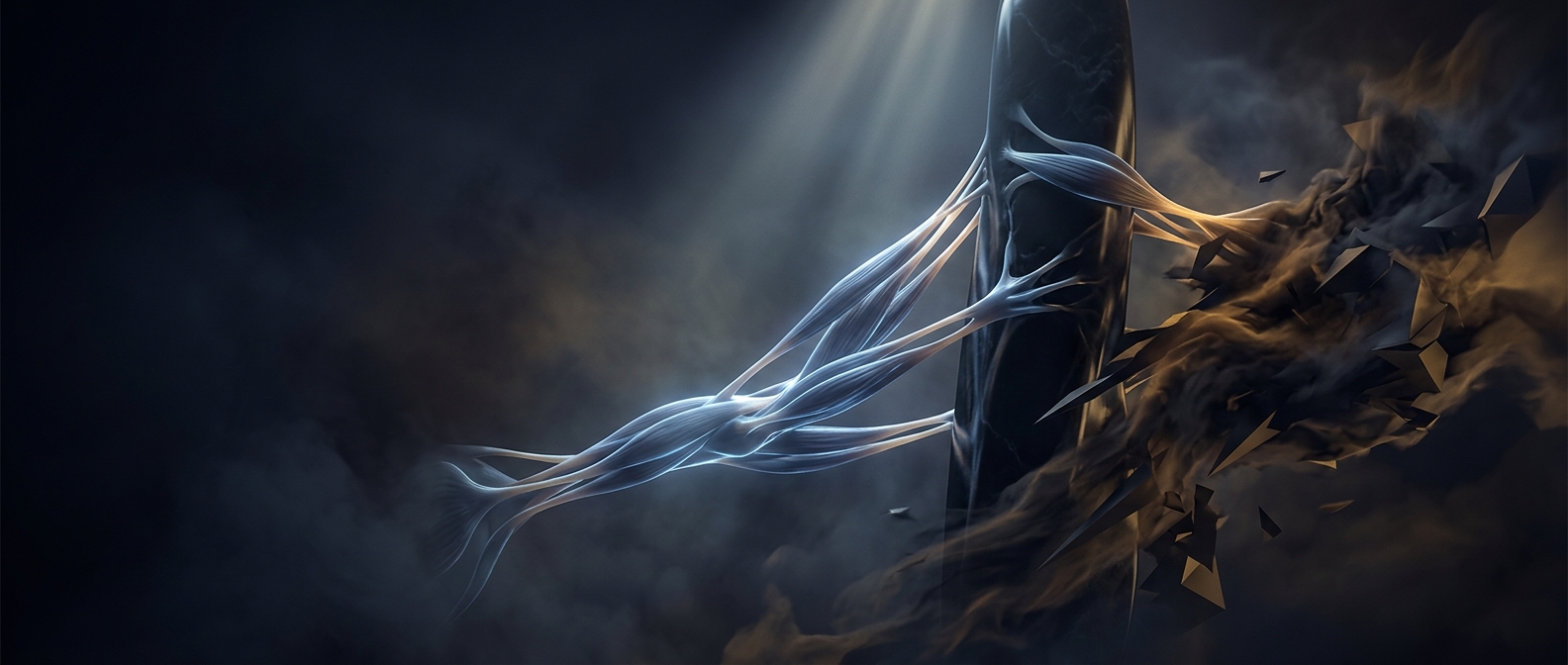
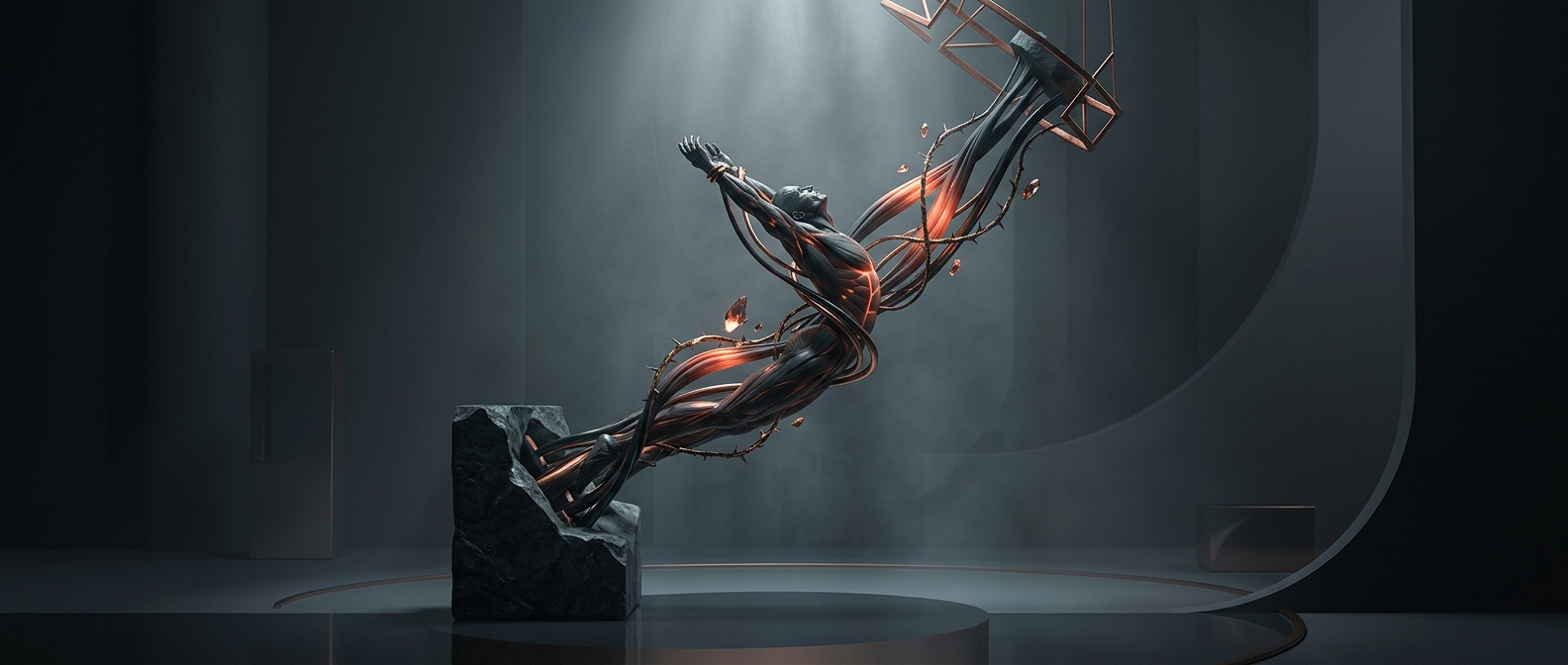
The muscle’s fibers pull on their attachments, while the wall pushes back with an equal opposing force. Because those forces balance, your arm does not advance. The resistance could instead come from holding a weight still or bracing against another part of your body.
Why It Can Feel So Hard
Holding a position asks the nervous system to keep muscle fibers active rather than briefly switching them on for a moving lift. As the hold continues, fatigue builds: the fibers become less able to sustain their force, and the same position can start to feel shaky or demanding.
A wall-push also makes the effort easy to scale. Push gently and the muscles need to produce little force; push harder and they must meet greater resistance, even though the wall remains fixed. The lack of motion does not mean the force is small—it means the resistance is matching it.
Stillness Is a Training Choice
Isometric work can strengthen muscles in a controlled position, which is useful when practicing a particular joint angle or when movement itself is limited. Its effects are not identical to those of lifting through a full range: the body is being challenged chiefly at the position where the hold occurs. In a wall-push, then, the visible result is stillness, but the measurable event is the force your muscles are producing against an unyielding surface.