Why the Same Workout Can Feel Harder From One Day to the Next
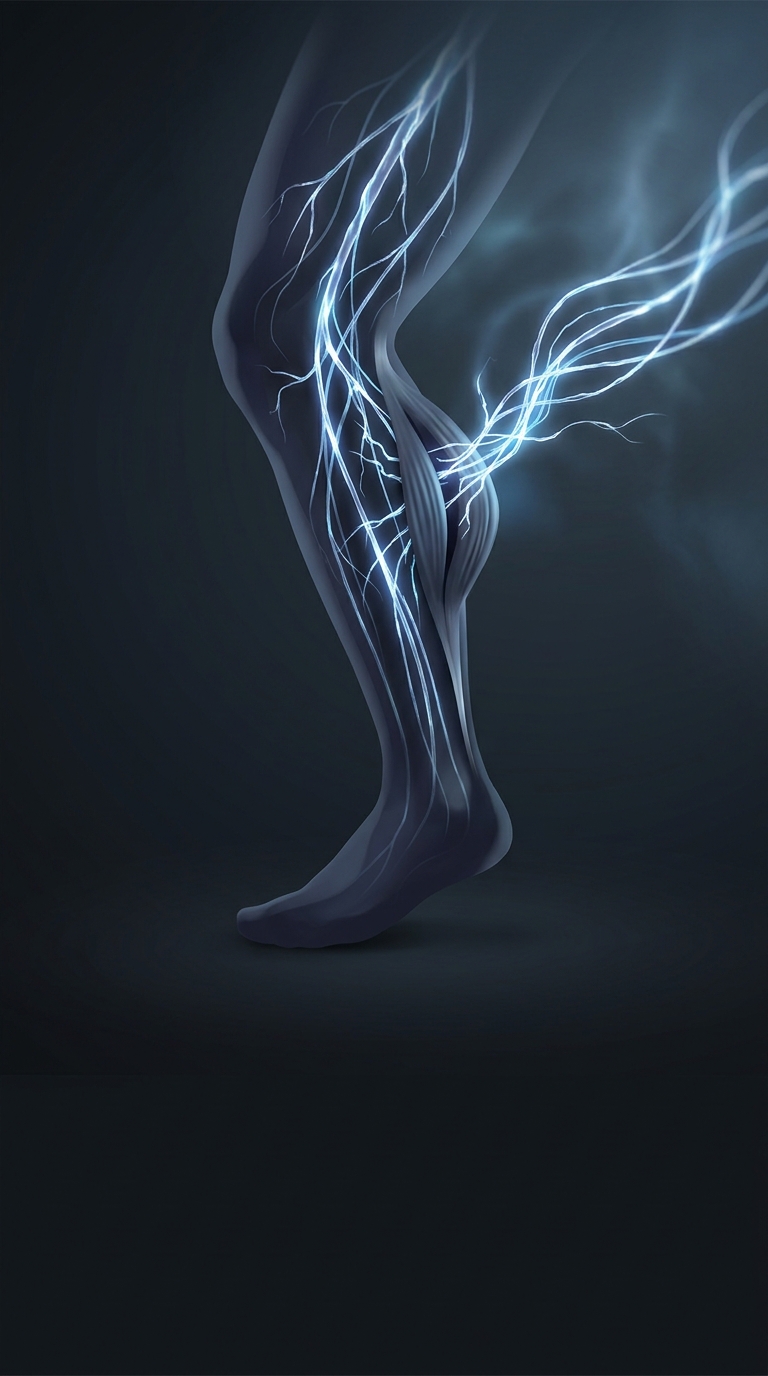
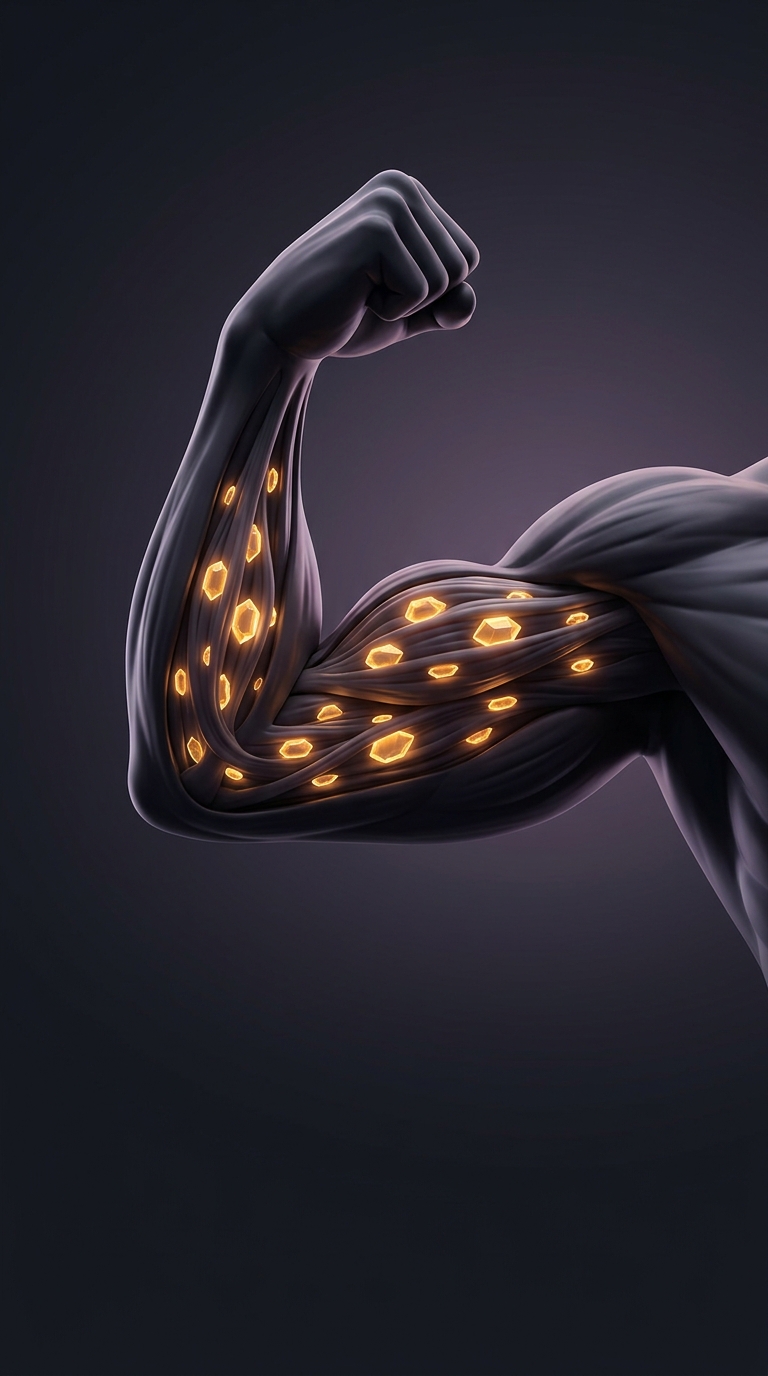
A muscle does not contract on its own: the brain and spinal cord send signals that recruit muscle fibers and coordinate their work. As exercise continues, the fibers change—fuel becomes less available, chemical conditions shift, and the machinery that produces force becomes harder to operate. These local changes are often called peripheral fatigue.
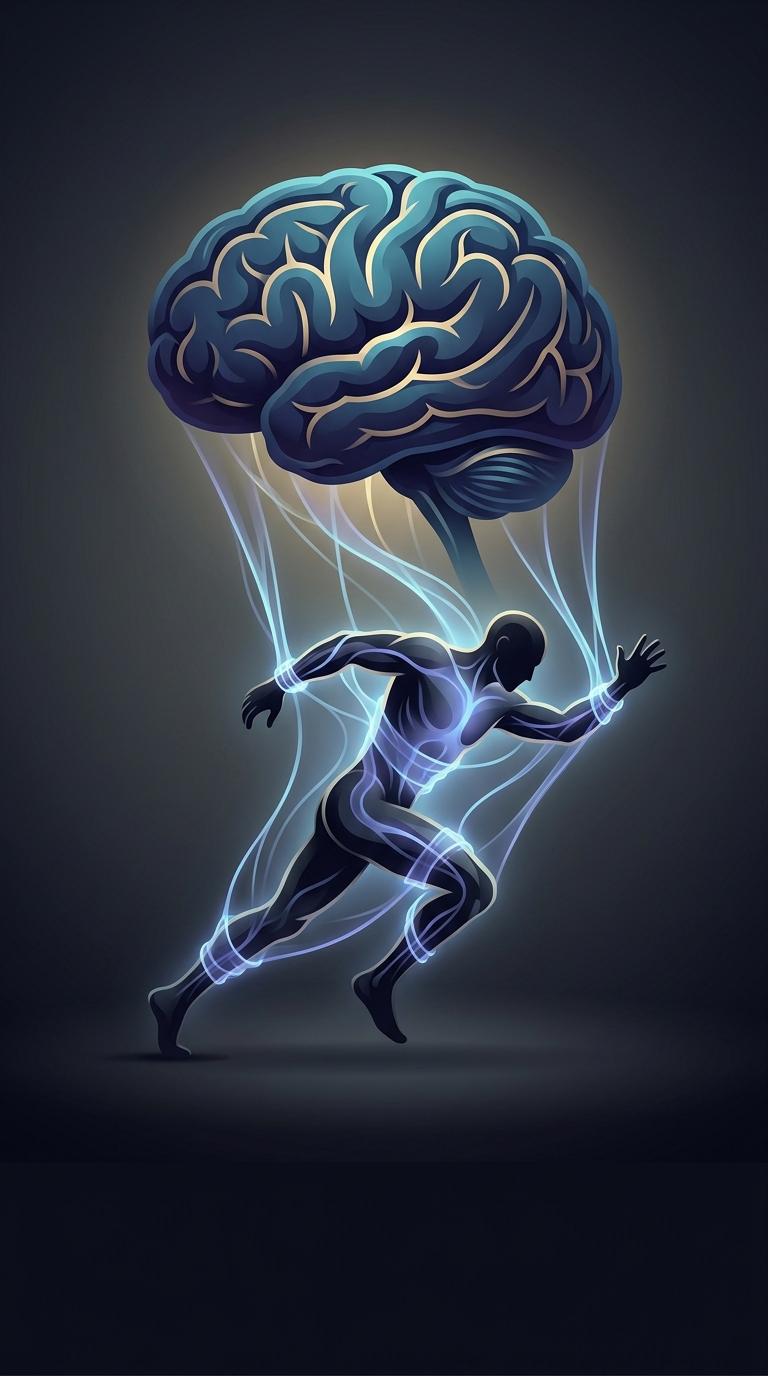
At the same time, the nervous system adjusts its command to the muscles. It receives information from the body about the strain of the effort and helps shape how much force you produce and how difficult that effort feels. Fatigue is therefore not simply a muscle “running out” or a mind deciding to stop. It emerges from the interaction between working tissue and the system directing it.
Effort Is a Signal, Not a Simple Fuel Gauge
The sensation of effort is the brain’s experience of how hard it must work to sustain a task. When a familiar pace requires a stronger drive from the nervous system, the same movement can feel more demanding. Sleep, stress, illness, heat, and the workout itself can all affect performance or how strenuous it feels, though through different pathways.
Motivation and attention can change that experience. A compelling goal or strong encouragement may help someone tolerate discomfort or maintain a harder effort. That does not mean motivation erases the changes inside the muscles: it can influence the command sent to them, but it cannot make tissue produce unlimited force or keep the body from needing recovery.
Why the Limit Moves—but Does Not Disappear
During exercise, the brain is not reading a single switch marked “safe” or “stop.” The felt difficulty reflects a changing mix of muscular strain, nervous-system drive, and the demands of the task. A person may push through a familiar sensation of effort, while sharp pain, dizziness, or unusual breathlessness can signal a different problem and should not be treated as ordinary fatigue.
That is why a workout can feel impossible before every muscle fiber has lost its capacity to work—and why determination can extend an effort without abolishing its physical cost. The feeling of fatigue is part of how the body’s control system responds to the work it is asking the muscles to do.