Why a cold muscle may resist a hard stretch
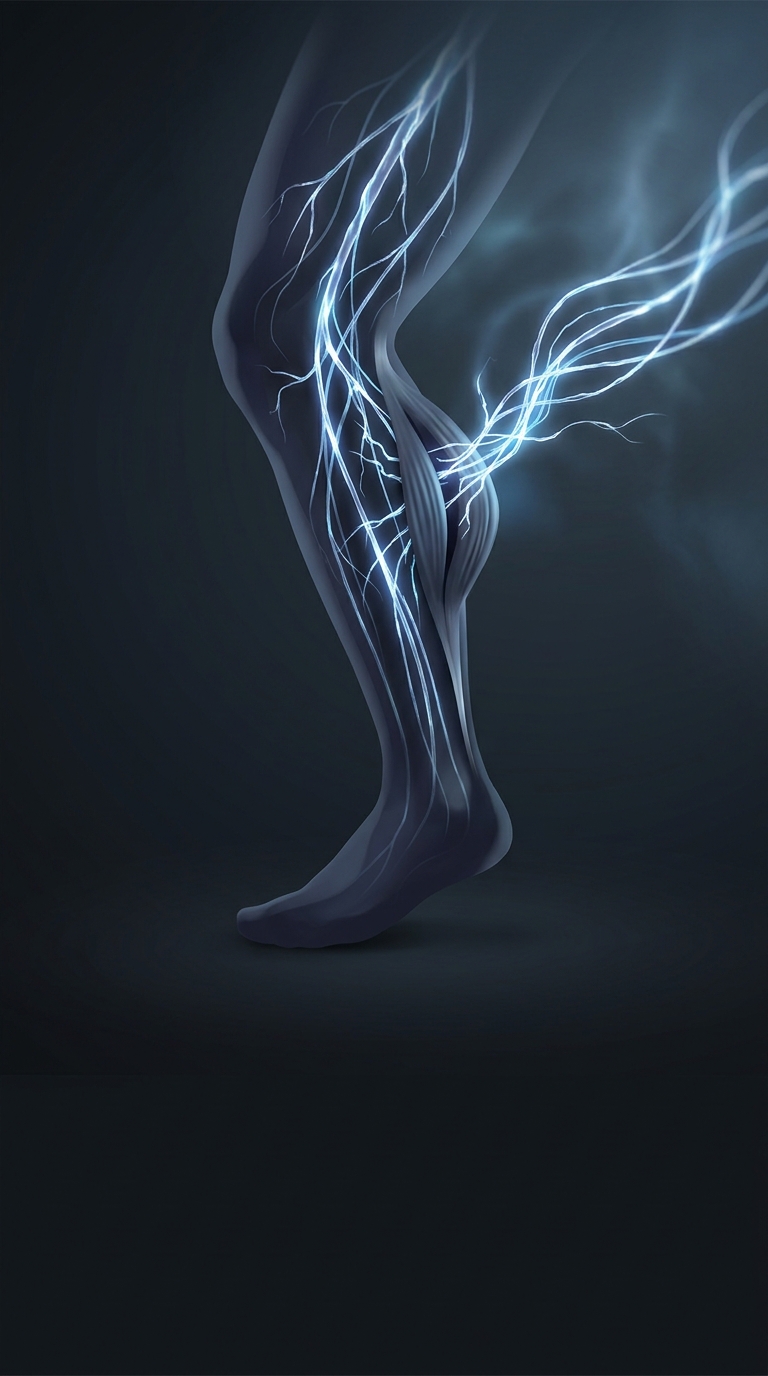
Muscles and tendons are not rigid cables: they deform under load and respond to how quickly and forcefully they are pulled. Before you have moved much, a sudden, deep stretch can load tissue faster than it is prepared to handle. That does not mean every stretch causes injury, but forcing a muscle to its limit can create soreness or, in a more severe case, small tissue damage.
Warm-up movement gradually raises muscle temperature and increases circulation. It also gives your nervous system time to adjust to the range of motion, so a movement that initially feels stiff can become more comfortable without being forced.
Why holding a stretch can affect strength
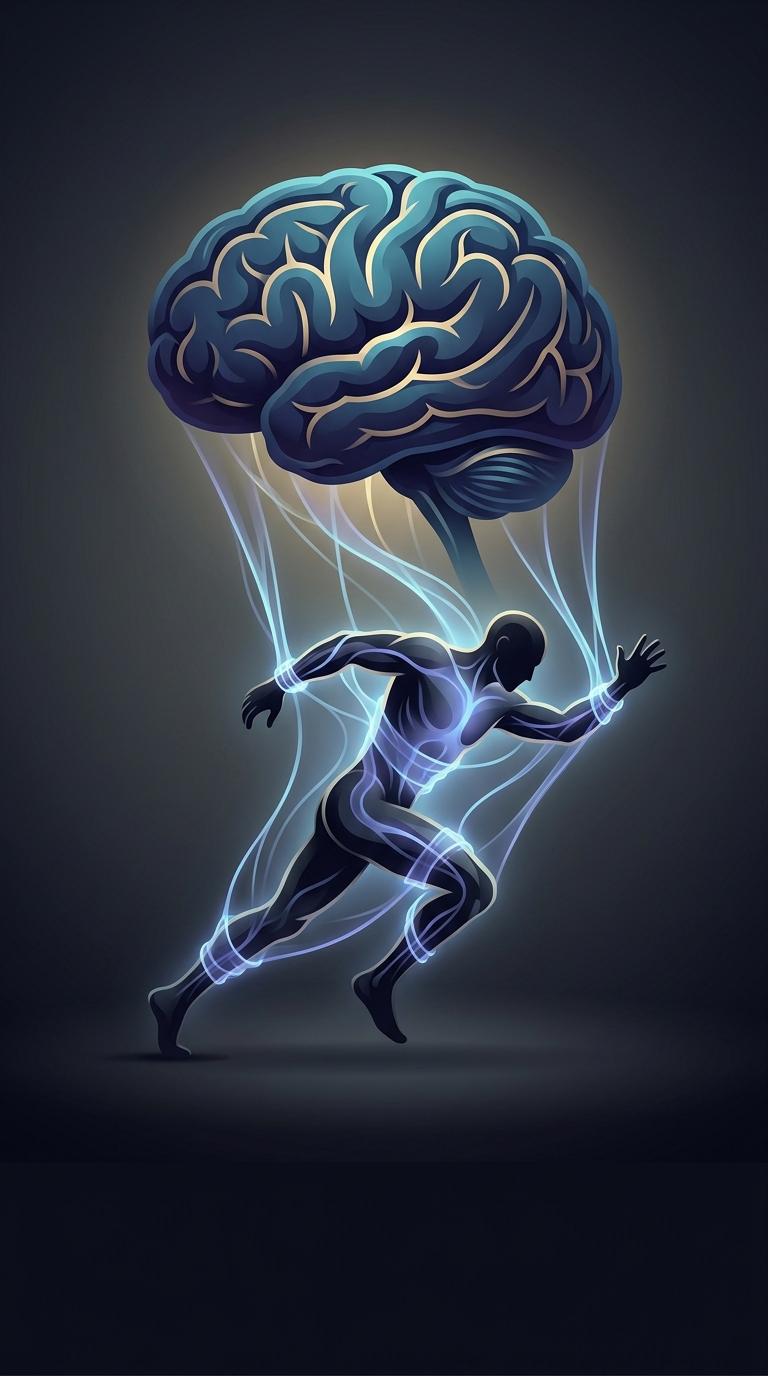
A static stretch—holding one position without moving—can temporarily reduce how much force a muscle produces, particularly when the stretch is intense or prolonged. The muscle is not simply “loosened”: changes in how the nervous system activates it, along with the altered behavior of the stretched tissues, can make an immediate maximal effort feel less powerful.
That matters most when the next task demands force, such as lifting a heavy weight or sprinting. A brief, comfortable stretch is not the same as a long, forceful hold, and the effect depends on what you do next. But stretching hard immediately before an explosive effort may work against that effort.
Warm up for the movement ahead
Dynamic warm-ups use controlled movement—such as body-weight squats, arm circles, or easy practice repetitions—to raise temperature while keeping muscles active. The goal is to approach the motions and effort of the workout gradually, rather than testing your maximum range while your body is still cold.
For a heavy lift, that can mean starting with lighter sets and increasing the load step by step. The practical distinction is simple: prepare a muscle with movement before asking it for force; save forceful, prolonged stretching for a time when immediate peak strength is not the priority.